What this work is made with
This page is a list of things, not a story. Gardening advice lives in the soil, the seasons, and the tools that shape them—not just in words. Here, we name the objects that make this work possible, and what they’ve taught us.
When To Water is where the first sprout decides the harvest’s shape. It’s for anyone who’s ever wondered how to coax life from stubborn seeds, or why some plants just refuse to behave. These are the things that help us answer those questions.
The things that do the work
The objects that shape this site are the same ones that shape a garden: worn, unglamorous, and essential. They’ve seen seasons of failure, of muddy hands, and of the quiet triumph of a single leaf unfurling on schedule.
The trowel
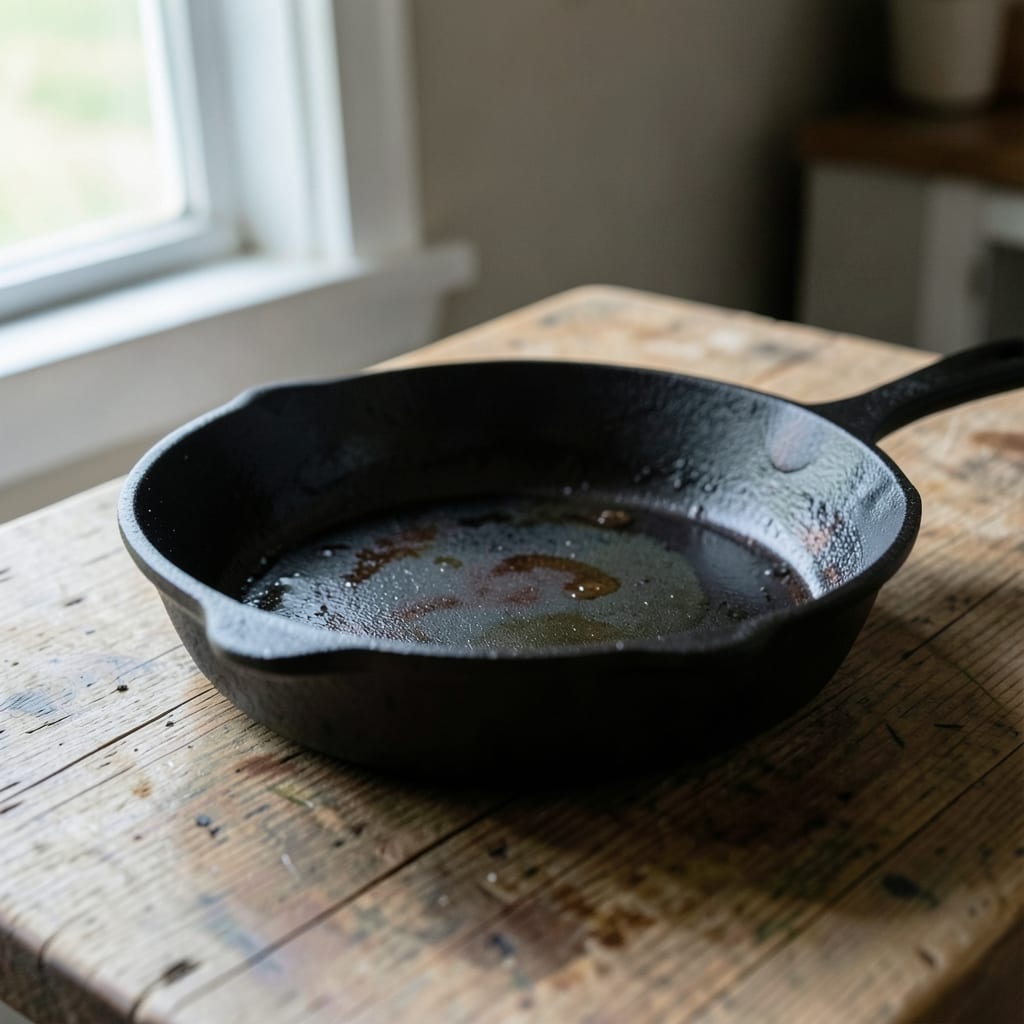
A cast-iron trowel with a handle worn smooth from years of digging. It’s been here since the first raised beds went in, back when the site was just a notebook of trial-and-error timings.
It taught us that the best tools don’t last forever—they just get better at breaking. This one’s handle split down the middle three years ago, but we wrapped it in duct tape and kept using it.
Now it’s held together with baling wire and a prayer, and it still digs cleaner than any new trowel ever could.
The rain gauge
A plastic cylinder with a funnel and a marked scale, though half the markings have faded in the sun. It’s been here since the first drought hit, when we realized no two gardens get the same amount of rain—even side by side.
It taught us that numbers lie. The gauge says 0.5 inches, but the soil says ‘not enough.’ We stopped trusting it after the tomatoes wilted twice in a row despite ‘perfect’ readings. Now we water by feel, and the plants thank us for it.
The stone
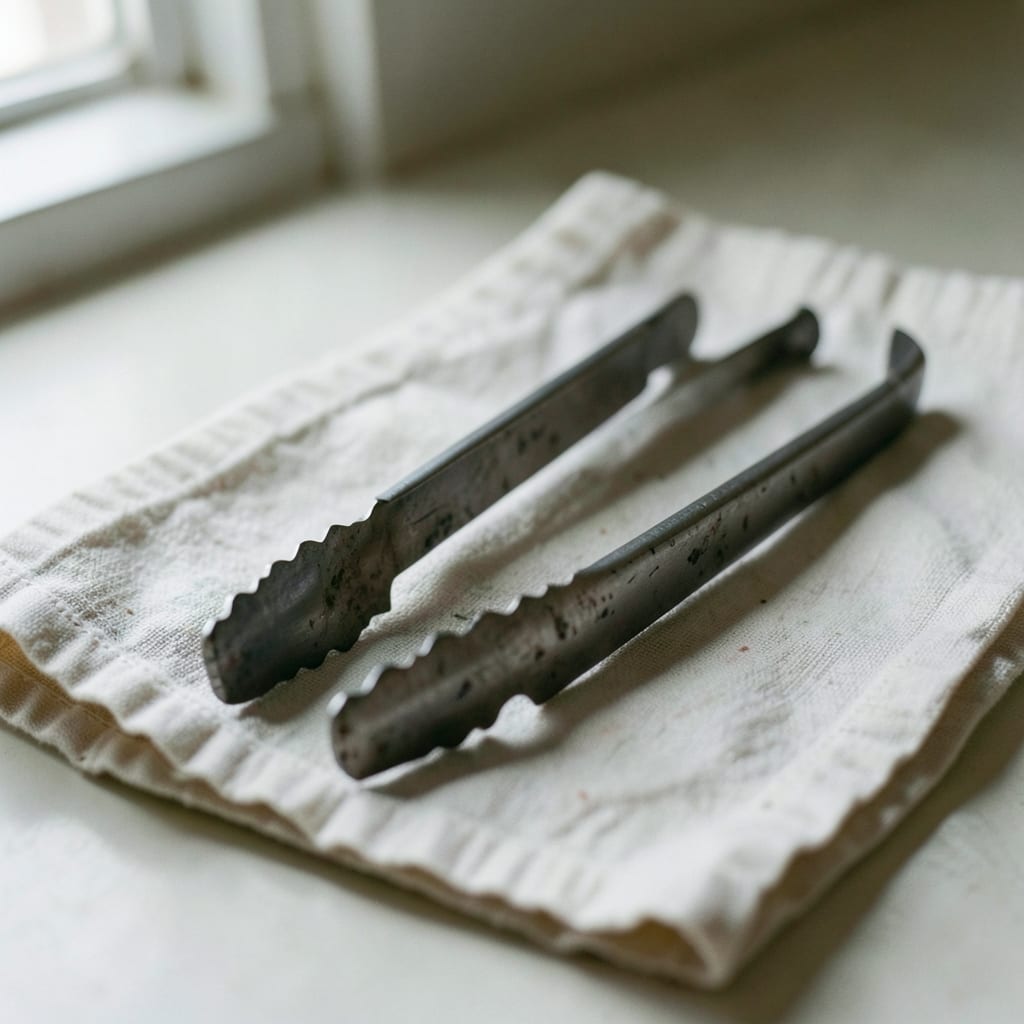
A river-worn basalt slab, too heavy to move, that’s been here since the first garden plot. It’s where we kneel to repot, where we wipe our hands between tasks, and where the mud never quite dries.
It taught us that some things don’t need to be fixed. The stone has cracks, missing chunks, and a moss ring where the water always pools. But it’s been holding soil steady for decades, and it’ll keep doing it. We just stop and lean on it now and then.
The twine
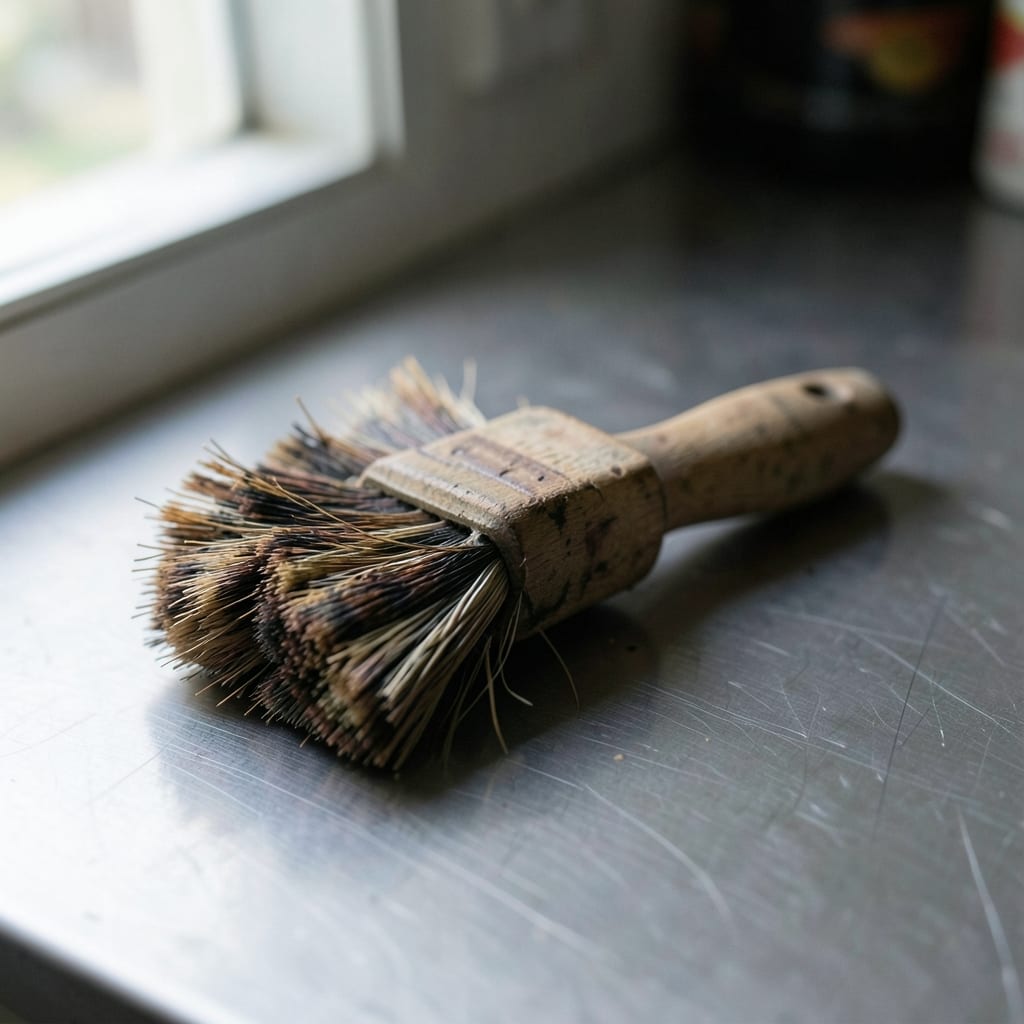
A spool of jute twine, the kind that frays at the edges and snaps if you yank too hard. It’s been here since the first trellis went up, and we’ve used it for everything from staking peas to tying up tomato vines.
It taught us that gardening is a series of temporary solutions. The twine rots after a season, the knots loosen, and you’re left with a plant that’s grown into whatever shape it wanted. That’s when you realize: the harvest doesn’t care about your plan.
What is not in the drawer
This site does not use: perfect measurements, branded tools, ‘expert’ advice, or anything that promises a guaranteed outcome.
Deliberately absent
- A soil pH meter (we learn by watching the plants, not the dial)
- A ‘perfect’ garden layout (some plants refuse to follow the rules)
- A ‘best time to plant’ calendar (seasons shift, and so should we)
- A single ‘foolproof’ method (there are no shortcuts in dirt)
Behind the scenes

I am Bernice Sandoval, the founder and editor of When To Water. I’m here to write about the dirt under the nails, the plants that surprise you, and the lessons learned when things go wrong.
I came to this from my grandfather’s vegetable garden in upstate New York, where I learned that patience and a little dirt under your nails were the real ingredients for a good harvest.
He handed me a trowel when I was eight and never once told me how to use it—just showed me how to listen to the soil.
This work has given me a permanent line of white across my knuckles from years of gripping a trowel too tightly, and a habit of noticing how plants lean toward the light—even in a city apartment. I can’t walk past a struggling tomato plant without checking its roots anymore.
I’m here to share the lessons I’ve picked up over the years: whether it’s the best time to water your tomatoes, how to coax life from stubborn seeds, or why some plants just refuse to behave.
This site is for anyone who’s ever wondered how to make their green thumb a little greener—and who’s ready for the disasters along the way.
Why any of this matters to you
These objects—the trowel, the rain gauge, the stone, the twine—are why the advice here feels real. They’ve been tested in mud, sun, and rain, not just in a lab or a perfect garden.
Every tip you’ll read has been shaped by something breaking, something growing where it shouldn’t, or something stubbornly refusing to follow the rules.
This site doesn’t promise perfection. It promises dirt under the nails, a few more leaves than you started with, and the quiet satisfaction of knowing your plants—even the ones that surprise you.
Every page here is written by someone who’s gotten soil in their hair at least once. You’ll find no ‘foolproof’ methods, just honest advice from a garden that’s still learning. And if a tip doesn’t work? That’s part of the process too.
If you’ve got a question, a plant that’s misbehaving, or just want to swap stories, the contact page is where to start.
The guides are grouped by category: Advice, Aphids, Blooming, Companion Plants, Container Gardens and Diseases.