
Planting
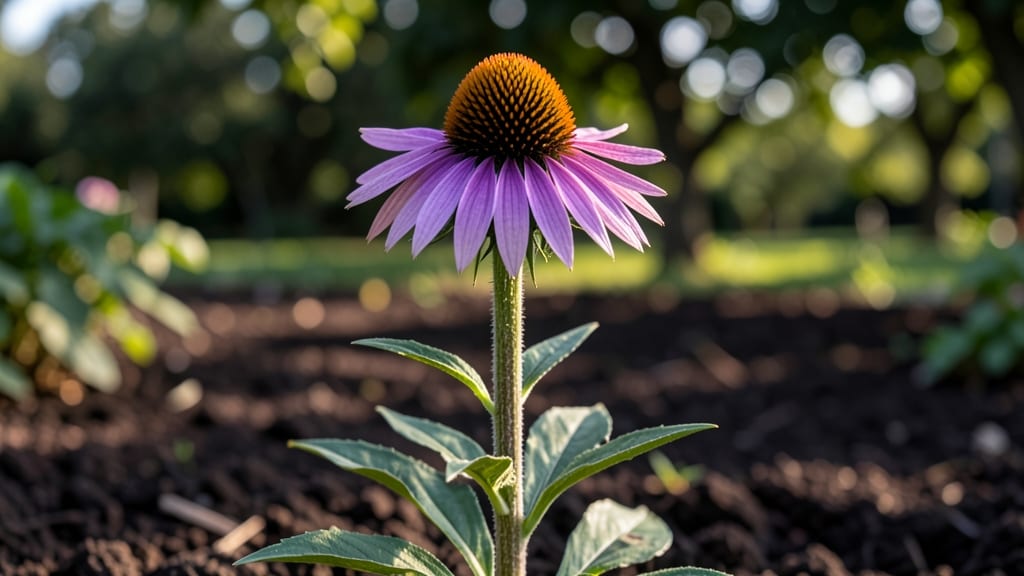
Zone 5 perennials that come back stronger every spring are the unsung heroes of cold-climate gardens. 🌱 I've learned the hard way that not all perennials survive our harsh winters—until I discovered these cold-hardy champions that push through snow and bloom like nothing happened.
The secret lies in their deep roots and resilience. Plants like coneflowers, hostas, and lavender thrive with minimal fuss once established. They handle our 20-30°F winters, need 3-6 hours of sun, and prefer well-draining soil—no fancy amendments required. My garden's late-summer blooms keep coming back year after year.
You'll end up with a garden that stays lush even after winter's worst. The foliage stays green through fall and early spring, and the flowers attract pollinators when little else is blooming. These perennials also suppress weeds naturally and require almost no winter prep.
Perfect for beginners and busy gardeners alike—just plant once and enjoy for decades. Here's how to pick the right varieties for your space and climate.
📚 In This Guide
- What you need
- Instructions
- Tips and common mistakes
- Wrapping up and next steps
What you need
- ● Zone 5-perennial plants: Choose cold-hardy varieties like coneflowers, black-eyed Susans, or hostas. Buy 3–5 plants per type for a full, lush look.
- ● High-quality soil: 2–3 cubic yards of native or amended soil (mix in compost for nutrients). Aim for 6.0–7.0 pH.
- ● Organic mulch: 2–3 inches of wood chips or shredded bark to retain moisture and regulate temperature.
- ● Slow-release fertilizer: A balanced 10-10-10 or organic option (like bone meal or compost tea) to kickstart growth.
- ● Garden trowel or spade: For digging holes 2x wider and as deep as the root ball.
- ● Pruning shears: To trim dead foliage and shape plants after planting.
- ● Garden hose or watering can: For deep watering (1–1.5 inches per week).
- ● Gloves & knee pads: Because gardening is way more comfortable with these!
- ● Soil tester kit: To check pH and nutrient levels before planting.
- ● Plant supports: Stakes or cages for tall perennials like delphiniums or bee balm.
- ● Drip irrigation system: For low-maintenance watering once established.
- ● Plant markers: Label plants with species names to track favorites!
How to select and plant Zone 5 perennials for reliable year-after-year growth
Here’s my foolproof approach to choosing and establishing perennials that thrive through Zone 5 winters and bounce back stronger each spring.
🌱 Step 1: Choose Perennials with Proven Zone 5 Hardiness
Focus on plants labeled for USDA Zone 5 or lower, like coneflowers, black-eyed Susans, daylilies, and Russian sage. These varieties have thick roots and tough foliage that survive sub-zero temperatures without damage. I always cross-reference with local nursery recommendations—some plants labeled "Zone 5" may still need winter protection in colder microclimates.
Look for multi-year perennials rather than annuals. You’ll recognize them by their woody stems or thick root systems—these are the plants that regrow from the same rootstock season after season. Avoid tender perennials like salvias or lavender, which struggle with Zone 5 winters unless heavily mulched.
🪴 Step 2: Prepare the Planting Site for Winter Resilience
Test your soil’s drainage and pH before planting. Zone 5 perennials hate soggy roots in winter, so amend heavy clay with 2-3 inches of compost or sand to improve aeration. I dig in a 5-gallon bucket of compost per square foot—this boosts organic matter without overwhelming the soil.
Select a spot with full sun to partial shade (6+ hours of sunlight for most perennials). Observe your yard’s sun patterns—what looks sunny in summer may become shaded in winter. Plant woody perennials like shrubby st. john’s wort on the south side of structures to protect them from harsh winter winds.
☀️ Step 3: Plant at the Right Depth and Spacing for Winter Survival
Dig holes twice as wide as the root ball but only as deep as the container’s base. Planting too deep suffocates roots, while shallow planting leaves them exposed to freeze-thaw cycles. Gently tease apart roots if they’re circling—this encourages them to spread into the surrounding soil.
Space perennials according to their mature size. Overcrowding stresses plants, making them more vulnerable to winter dieback. For example, coneflowers need 2-3 feet apart, while catmint thrives with 18-24 inches of space. Water deeply after planting to settle the soil and eliminate air pockets around roots.
⏰ Step 4: Mulch Heavily Before First Frost for Winter Protection
Apply a 4-6 inch layer of organic mulch (straw, shredded leaves, or wood chips) after the ground freezes but before heavy snowfall. This insulates roots from extreme temperature swings. I use straw mulch because it breaks down slowly and adds organic matter, while wood chips suppress weeds longer but may acidify soil over time.
Leave mulch in place until late winter (when daytime temperatures consistently stay above 40°F). Removing it too early can expose tender regrowth to late frosts. Watch for mold or rot—if mulch stays damp for weeks, fluff it up to improve airflow.
🌿 Step 5: Prune Strategically in Early Spring for Strong Regrowth
Wait until new growth emerges (usually late April or early May in Zone 5) before pruning. Cut back dead or damaged foliage to 1-2 inches above the ground, but leave healthy stems intact—they’ll photosynthesize early and fuel regrowth. For grasses like fountain grass, trim to 4-6 inches to encourage fresh shoots.
Apply a balanced fertilizer (10-10-10) in early spring to replenish nutrients lost over winter. Water deeply once a week during dry spells, but avoid overwatering—perennials in Zone 5 often enter dormancy earlier than expected. You’ll know they’re happy when new leaves unfurl within 3-4 weeks of pruning.
Tips & tricks for perfect Zone 5 perennial planting
These battle-tested strategies will help your cold-hardy perennials thrive through Zone 5 winters and bounce back stronger each spring.
Hardiness Verification: Always double-check plant labels for "Zone 5" or lower, but don't stop there. I've learned the hard way that some plants labeled "Zone 5" may still need winter protection in colder microclimates within Zone 5. When in doubt, ask your local nursery for their specific recommendations—they know which varieties have proven resilience in your exact area. This extra step often means the difference between plants that survive and those that thrive.
Soil Preparation Secret: The 2-3 inches of compost mentioned in Step 2 is non-negotiable, but here's what nobody tells you: mix that compost with your native soil in a 50/50 ratio rather than applying it as a top dressing. This ensures even distribution of nutrients throughout the root zone. For heavy clay soils, add a handful of sand to each hole when planting—this improves drainage without altering the soil's overall structure. I've seen perennials fail in winter not because of cold, but because their roots suffocated in soggy, compacted soil.
Mulching Mastery: That 4-6 inch layer of mulch is your plant's winter blanket, but timing matters just as much as thickness. Apply it after the ground freezes but before heavy snowfall—this creates an insulating air pocket between the mulch and soil. I've had mulch blow away in winter storms when applied too early, and seen plants heave out of the ground when mulch was removed too soon. The key is patience: wait until daytime temperatures consistently stay above 40°F before removing mulch in late winter, even if new growth appears. This protects tender shoots from late frosts that can still occur in Zone 5.
Pro Tips for Zone 5 Perennials
- These battle-tested strategies will help your cold-hardy perennials thrive through Zone 5 winters and bounce back stronger each spring.
- Hardiness Verification: Always double-check plant labels for "Zone 5" or lower, but don't stop there.
- This ensures even distribution of nutrients throughout the root zone.
Frequently asked questions
Got questions about keeping your garden thriving in Zone 5’s chilly climate? You’re not alone! Here are answers to the most common queries about selecting, planting, and caring for cold-hardy perennials that come back year after year.
What are the easiest perennials for beginners in Zone 5?
Start with coneflowers (Echinacea), black-eyed Susans (Rudbeckia), or hostas—they’re low-maintenance, drought-tolerant, and forgiving of less-than-perfect soil. Daylilies (Hemerocallis) are another great pick since they spread easily and bloom prolifically.
Do I need to mulch Zone 5 perennials in winter?
Yes! A 2–3 inch layer of organic mulch (like shredded leaves or straw) protects roots from freezing and thawing cycles. Apply after the ground freezes but before heavy snowfall. Just avoid piling mulch against stems to prevent rot.
When is the best time to plant perennials in Zone 5?
Early spring (as soon as soil is workable) or early fall (4–6 weeks before frost) are ideal. Fall planting gives roots time to establish before winter, while spring planting avoids competition with summer heat. Avoid planting in extreme cold or drought.
What if my perennials die back completely in winter?
Don’t panic! Many perennials (like peony or bearded iris) go dormant and re-emerge in spring. If they’re still green in late winter, add a light frost cloth for extra protection. Wait until after the last frost to trim dead foliage—it shields new growth.
Can I replace perennials that aren’t thriving in Zone 5?
Swap struggling plants with cold-hardy alternatives like Russian sage (Perovskia), catmint (Nepeta), or sedum. These tolerate Zone 5’s winters and often require less care. Divide overcrowded perennials in early spring to refresh their vigor.
Wrapping up and next steps
Choosing the right Zone 5 perennials can transform your garden into a resilient, low-maintenance haven that thrives year after year—even through harsh winters! 🌱 From vibrant coneflowers to sturdy hostas, these cold-hardy plants prove that beauty and durability go hand in hand.
Whether you're a seasoned gardener or just starting, your garden is ready to reward you with color, texture, and life season after season.
Ready to take the next step? Start small—pick 2-3 perennials that excite you, sketch a simple layout, and dig in! Before you know it, your garden will be a blooming testament to nature’s toughness. Happy planting! 🌸