
Flowers
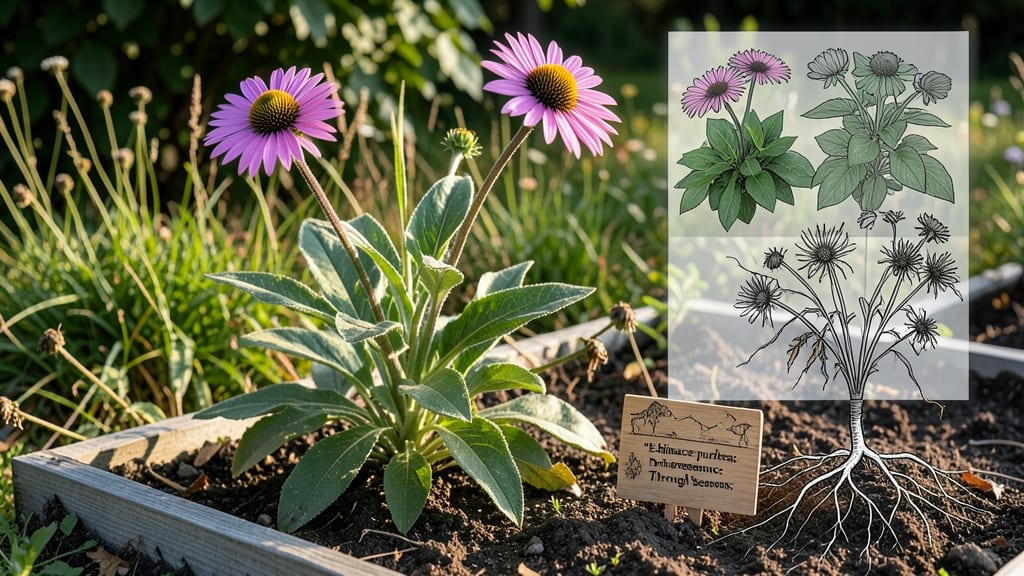
Perennial flowers mean year after year of color without replanting—no more digging up dead annuals or starting from seed every spring. 🌸 I’ve swapped out tired spring bulbs for perennials, and now my garden bursts into bloom in May, thrives through summer, and often returns in autumn too.
The difference? Perennials store energy underground, so they bounce back like a well-rested athlete, while annuals burn out in one season. The secret to their staying power is simple: they grow from roots, not seeds.
Think of them as the reliable roommates of the plant world—lavender, coneflowers, and black-eyed Susans all come back stronger each year with just a little care. They need good soil, sunlight, and occasional pruning (usually just cutting back dead stems), but no fuss over replanting.
My purple coneflowers even attract pollinators all summer long, making them a win-win for beauty and wildlife. What you’ll love most is the low-maintenance payoff: no seed packets to buy, no empty spots in the garden.
Even in my first year with perennials, I spent half the time watering and twice the time admiring the blooms. They’re the perfect choice for busy gardeners who still want a showstopping display. Start with a few hardy varieties like daylilies or sedum, which thrive in almost any soil.
Once established, they’ll outlast annuals by decades—my mother’s peony bushes are still going strong after 30 years. Here’s how to get them growing for you!
📚 In This Guide
- What you need
- Instructions
- Tips and common mistakes
- Wrapping up and next steps
What you need
- ● Perennial flower seeds or plants: Choose native or hardy varieties like coneflowers, black-eyed Susans, lavender, or daylilies (5–10 plants per section for full coverage).
- ● High-quality garden soil: 1–2 cubic yards (or compost/peat mix for poor soil).
- ● Organic mulch: 2–3 inches of wood chips, straw, or shredded leaves (preserves moisture and suppresses weeds).
- ● Slow-release fertilizer: 10–20 lbs (5–10% nitrogen, balanced NPK for perennials).
- ● Watering can or hose with a gentle spray nozzle: 1–2 gallons capacity (or a drip irrigation system for efficiency).
- ● Garden trowel or hand shovel: For planting and soil amendments.
- ● Pruning shears: Bypass-style (sharp and clean for precise cuts).
- ● Gloves: Heavy-duty work gloves (protects from thorns and soil).
- ● Measuring tape or ruler: For spacing plants 12–36 inches apart (depends on variety).
- ○ Garden fork (optional): For aerating compacted soil.
- ● Sunlight assessment: Identify full sun (6+ hours), partial shade (3–6 hours), or full shade (<3 hours) areas.
- ● USDA Hardiness Zone knowledge: Select perennials suited to your zone (e.g., Zone 5–9 for coneflowers).
- ○ Well-draining soil test (optional but helpful): Check pH (6.0–7.0 ideal) and nutrient levels.
How to design a year-round perennial flower garden
Here's how I create perennial flower beds that stay beautiful with almost no yearly work.
🌱 Step 1: Choose Plants That Bloom at Different Times
Select perennials with staggered bloom periods to ensure continuous color. Start with spring bloomers like bleeding heart or lungwort, add summer favorites such as coneflowers or black-eyed Susans, and include fall interest plants like asters or sedum. I always include one late-season bloomer like Russian sage to carry the season into October.
Check each plant's mature size and spacing needs. For example, peonies need 3-4 feet of space while creeping thyme stays under 1 foot. Group plants with similar light needs together—this keeps maintenance simple. I sketch a rough layout first, then adjust based on how they'll look over time.
☀️ Step 2: Plant in Well-Draining Soil with Full Sun Exposure
Most perennials thrive in full sun (6+ hours daily), though some like hostas tolerate shade. Amend heavy clay soil with 2-3 inches of compost before planting to improve drainage. I dig a hole twice as wide as the root ball but only as deep—planting too deep suffocates roots.
Space plants according to their mature width, not just their current size. Crowding leads to competition and weak growth. Water deeply after planting to settle the soil around roots. The first year is about establishing roots, so I water once a week during dry spells, giving each plant 1 gallon of water.
✂️ Step 3: Prune Strategically After Each Season
Cut back dead foliage in early spring before new growth appears. For grasses like fountain grass, I trim to 3-4 inches tall. For woody perennials like butterfly bush, I prune back by ⅓ to encourage bushier growth. Never remove leaves until you see fresh green growth—this protects the plant from late frosts.
In late fall, I clean up any remaining dead stems and debris to prevent pests from overwintering. I leave seed heads on some plants like coneflowers for winter interest and bird habitat. Mulch with 2-3 inches of shredded bark after pruning to insulate roots through winter.
🌿 Step 4: Feed and Mulch Annually for Long-Term Health
Apply a balanced organic fertilizer (10-10-10) in early spring when new growth appears. I use ½ cup per 10 square feet spread evenly over the bed. Water it in immediately to prevent burning roots. This gives plants the nutrients they need without overfeeding.
Replenish mulch in late spring after the soil warms up. I use 2-3 inches of shredded leaves or straw to suppress weeds and retain moisture. The mulch breaks down slowly, feeding the soil as it decomposes. This reduces watering needs by 30-40% during summer droughts.
⏰ Step 5: Monitor and Adjust Over the Seasons
Check plants monthly for pests or diseases. I look for chewed leaves, yellowing foliage, or powdery mildew on the undersides of leaves. Most issues appear in late summer when heat stress peaks. Remove affected leaves immediately and dispose of them in the trash—not the compost—to prevent spreading.
Every 3-5 years, divide overcrowded perennials like daylilies or hostas in early spring before new growth starts. Dig up clumps, separate into smaller sections, and replant. This rejuvenates plants and prevents them from flowering less vigorously. I always label new divisions so I remember where they go.
Tips & tricks for meaningful perennial flower gardens
Creating a garden that thrives year-round takes just a few intentional choices—and avoiding these common pitfalls. Here's what I've learned after years of trial and error.
Seasonal Layering: Think of your garden like a well-written story—each plant should have its own chapter. The key is to overlap bloom times so you never have a blank canvas. For example, pair early spring's bleeding heart with late fall's Russian sage. I like to sketch a simple timeline of bloom periods on graph paper before purchasing plants—it helps visualize gaps and ensures continuous color.
Soil Prep Strategy: Don't skip the compost! That 2-3 inches of organic matter isn't just for drainage—it's the foundation for healthy roots. I've seen gardens fail because people planted directly into heavy clay without amending it first. Pro tip: Test your soil's pH before planting. Most perennials prefer slightly acidic soil (pH 6.0-7.0), and adjusting this can make all the difference in plant vigor.
Pruning Precision: Timing matters more than you think. When you cut back those dead stems in early spring, you're not just cleaning up—you're encouraging new growth. I learned this the hard way by pruning too early and exposing tender shoots to late frosts. Wait until you see fresh green growth peeking through before you make your first cuts. For woody perennials, that ⅓ pruning rule isn't arbitrary—it maintains the plant's natural shape while stimulating bushier growth.
Watering Wisdom: The first year is all about establishing roots, so that once-a-week watering isn't just a suggestion—it's crucial. But here's what nobody tells you: water deeply but infrequently. A quick sprinkle doesn't encourage deep root growth. I use a rain gauge to measure exactly 1 gallon per plant during dry spells, and I always water in the morning so foliage has time to dry before evening. This simple habit prevents fungal diseases that can plague new gardens.
Pro Tips for Meaning Perennial Flowers
- Creating a garden that thrives year-round takes just a few intentional choices—and avoiding these common pitfalls.
- Seasonal Layering: Think of your garden like a well-written story—each plant should have its own chapter.
- Soil Prep Strategy: Don't skip the compost!
Frequently asked questions
Got questions about perennial flowers? You’re not alone! Here are some of the most common queries—and straightforward answers—to help you dive in with confidence.
What makes perennial flowers different from annuals?
Perennials return year after year, while annuals bloom for just one season. Perennials also develop deep root systems, making them hardier and more drought-resistant once established. Plus, they require far less replanting, saving you time and effort!
How long does it take for perennials to mature and bloom?
Most perennials take 1–3 years to reach full maturity and bloom. Some, like coneflowers or black-eyed Susans, may surprise you with sporadic blooms in their first year, but patience pays off—once established, they’ll reward you with vibrant, low-maintenance beauty for decades.
Do perennials really need less pruning than annuals?
Perennials thrive with minimal pruning—focus on deadheading spent blooms to encourage more flowers and cutting back foliage in late winter or early spring. Unlike annuals, they don’t require frequent trimming to stay tidy. Just a little TLC keeps them looking their best!
Can I grow perennials in containers or small gardens?
Yes! Many perennials, like heuchera (coral bells) or sedum, thrive in containers. Choose compact varieties and ensure pots have drainage holes. For small gardens, opt for dwarf perennials or layer them with annuals to fill gaps. Just give them enough sunlight and consistent watering!
Are perennials pest-resistant, or do I need to worry about bugs?
While perennials are generally tougher than annuals, they’re not pest-proof. Common issues include aphids, slugs, or powdery mildew. Prevention is key: water at the base (not leaves), mulch well, and remove debris. Aphids? Blast them off with water! Slugs? Use beer traps or diatomaceous earth.
Wrapping up and next steps
Perennial flowers bring timeless beauty and effortless charm to your garden with their resilience and low-maintenance care. By choosing the right varieties and understanding their unique needs, you can enjoy vibrant blooms year after year—without the hassle of constant pruning or replanting. 🌸
Ready to transform your outdoor space? Start by selecting a few perennials that thrive in your climate, then dive into their care routines. Your garden’s future beauty is just a season away!
- Next step: Pick your favorite perennials and sketch a simple garden layout.
- Bonus tip: Begin with hardy varieties like coneflowers or lavender for instant results.