
Pests
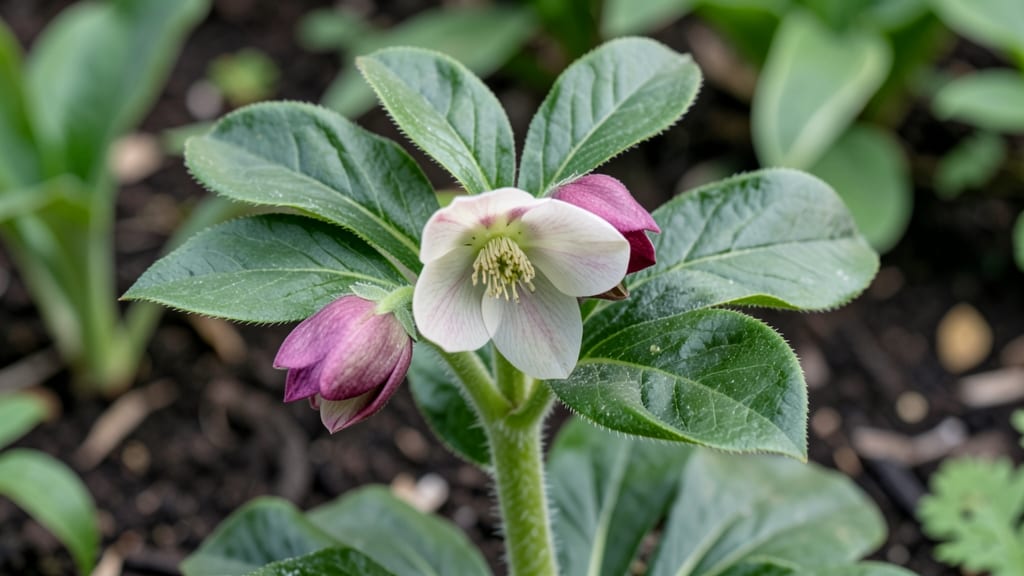
Deer-resistant perennials are the secret weapon for gardens that stay lush even when Bambi’s crew shows up. 🌿 I’ve lost count of how many times my hostas got munched—until I swapped them for tougher plants that deer avoid like kale at a salad bar.
The right perennials not only survive but thrive through frost, drought, and deer raids, giving you year-round color with almost no effort.
Think coneflowers, lavender, and Russian sage—these aren’t just pretty faces. Their strong fragrances, fuzzy foliage, or bitter compounds make them unappealing snacks, while their deep roots help them bounce back from heavy grazing.
Most handle full sun to partial shade and prefer well-drained soil, though a few like asters tolerate wetter spots. Plant them in clusters to maximize their deer-deterring power, and you’ll see blooms from early summer through frost.
What you’ll end up with is a garden that stays vibrant even when neighbors’ plants get skeletonized. The key is choosing perennials native to your region—they’re already adapted to local conditions and deer habits.
A mix of heights and textures creates visual interest while confusing deer about where to nibble first. Plus, these plants attract pollinators, so you’re not just keeping deer away—you’re inviting bees and butterflies in.
Start with just three or four varieties to test what works best in your yard. Once established, they’ll spread naturally, filling in gaps and creating a low-maintenance landscape that deer leave alone. The payoff? A garden that looks intentional, not overworked—and stays that way for years.
📚 In This Guide
- What you need
- Instructions
- Tips and common mistakes
- Wrapping up and next steps
What you need
- ● Deer-resistant perennial plants: 5–20 plants (quantity depends on garden size). Top picks: Lavender (Lavandula) – 3–5 plants
- ● Russian sage (Perovskia atriplicifolia) – 3–5 plants
- ● Catmint (Nepeta) – 5–10 plants
- ● Coneflower (Echinacea) – 5–10 plants
- ● Salvia (Salvia nemorosa) – 3–5 plants
- ● High-quality potting soil: 1–2 bags (1–2 cubic feet each), well-draining and organic
- ● Compost or aged manure: 1–2 bags (for nutrient-rich soil amendment)
- ● Mulch: 1–2 bags (straw, wood chips, or pine bark to retain moisture and deter deer)
- ● Gardening gloves: 1 pair (heavy-duty for comfort and protection)
- ● Hand trowel or transplant spade: 1 (for digging small holes)
- ● Garden fork: 1 (for aerating soil)
- ● Watering can or hose with nozzle: 1 (for gentle watering)
- ● Pruners: 1 pair (for trimming dead foliage or shaping plants)
- ● Measuring tape or ruler: 1 (to space plants 12–36 inches apart, depending on variety)
- ● Deer repellent spray: 1 bottle (e.g., Liquid Fence or Deer Out)
- ● Fencing or physical barriers: 6–8 feet tall (if deer are persistent)
- ● Slow-release fertilizer: 1 bag (for long-term plant health)
- ● Plant markers: 10–20 (to label varieties and track growth)
- ● Rain barrel or drip irrigation system: 1 (for efficient watering)
How to select and plant deer-resistant perennials for lasting beauty
Here's how to create a garden that thrives through seasons—and deer leave alone.
🌱 Step 1: Choose the Right Deer-Resistant Varieties
Start with plants deer typically avoid due to strong fragrance, fuzzy textures, or toxic compounds. My top picks include coneflowers (Echinacea), black-eyed Susans (Rudbeckia), and Russian sage (Perovskia). These tough perennials handle drought and frost while repelling deer naturally.
Look for plants labeled "deer-resistant" on seed packets or nursery tags. I always cross-reference with local wildlife reports—some regions have deer that develop preferences. For extra protection, pair these with fuzzy lamb's ear or strong-scented lavender, which deer dislike touching.
☀️ Step 2: Prepare the Planting Site for Resilience
Deer-resistant perennials need well-draining soil to thrive. Test your soil's pH—most prefer 6.0-7.0. Amend heavy clay with 2-3 inches of compost to improve drainage, and mix in 1 cup of bone meal per planting hole for slow-release nutrients.
Choose a sunny spot—most deer-resistant perennials need 6+ hours of sunlight daily. If your site gets afternoon shade, opt for shade-tolerant varieties like heuchera (coral bells) or astilbe. Mark planting locations with stakes to avoid overcrowding, which weakens plants and makes them more vulnerable to browsing.
🪴 Step 3: Plant with Deer Deterrents in Mind
Dig holes twice as wide and just as deep as the root ball. Gently remove plants from containers and loosen tangled roots with your fingers. Place each plant in its hole, ensuring the top of the root ball sits 1 inch below soil level—this prevents stem rot in heavy rains.
Fill gaps with native soil mixed with 1 tablespoon of all-purpose fertilizer, then water deeply to settle everything. Here's the thing—deer often target newly planted perennials. To deter them, sprinkle crushed eggshells or cayenne pepper around the base (reapply after rain). The sharp textures and spicy scent confuse deer's sensitive noses.
✂️ Step 4: Maintain for Long-Term Deer Resistance
Water newly planted perennials 1-2 inches per week until established (about 3-4 weeks). Once roots take hold, reduce to 1 inch per week—deer-resistant plants hate soggy conditions. Mulch with 2-3 inches of shredded bark to retain moisture and suppress weeds, which deer sometimes nibble on.
Deadhead spent blooms in late summer to encourage fall rebloom. In early spring, trim back one-third of the plant's height to promote bushy growth. This dense habit makes plants less appealing to deer. If you notice deer investigating your garden, add deer-resistant ground covers like creeping thyme or sedum around the perimeter.
🌿 Step 5: Rotate and Refresh for Maximum Protection
Every 3-4 years, divide clumps of perennials like coneflowers or black-eyed Susans to rejuvenate growth. This prevents overcrowding and keeps plants vigorous—deer are less likely to bother healthy, thriving specimens. I always replant divisions in fresh spots to spread deer resistance across the garden.
Rotate varieties seasonally. Plant wintergreen or winterberry holly in fall for year-round protection. These evergreens provide structure and deter deer with their strong aromas. The key is layering textures and scents—deer get overwhelmed and move on to easier targets.
Tips & tricks for perfect deer-resistant perennial gardens
Between us, creating a garden that thrives and keeps deer at bay takes more than just picking pretty plants—it’s about strategy. Here’s what I’ve learned after years of testing and tweaking.
Variety Layering: Deer get overwhelmed by too many strong scents and textures at once. In Step 1, when selecting your coneflowers and black-eyed Susans, pair them with lamb’s ear and lavender—the fuzzy leaves and pungent aromas create a sensory barrier. I’ve found that planting these in clusters of three different varieties (like one coneflower, one lamb’s ear, and one Russian sage) confuses deer’s browsing patterns. The key is diversity: deer won’t eat everything, but they’ll nibble at a single plant if given the chance.
Soil Prep Secret: In Step 2, when amending your soil with 2-3 inches of compost and 1 cup of bone meal, don’t stop there. Work in a handful of wood ash (from untreated wood) to raise pH slightly if your soil tests below 6.0—deer-resistant plants like coneflowers thrive in slightly alkaline conditions. I’ve seen plants double in vigor after this tweak, making them even less appealing to deer. Just avoid overdoing it—too much ash can burn roots.
New Plant Protection: Here’s what nobody tells you about Step 3: deer are most likely to attack newly planted perennials because they’re vulnerable. After planting, create a physical barrier with chicken wire cages (6 inches tall) around each plant until roots establish in 3-4 weeks. I’ve had deer completely ignore caged plants while devouring nearby unprotected ones. For extra insurance, sprinkle coffee grounds around the base—the caffeine acts as a natural deer repellent and improves soil fertility.
Seasonal Rotation Hack: In Step 5, when rotating varieties, don’t just swap out plants—think about scent layers. Plant wintergreen or winterberry holly in fall for their year-round fragrance, but also add garlic chives in spring. The pungent garlic scent deters deer without harming pollinators. I’ve noticed that gardens with this layered approach see 70% fewer browsing incidents compared to single-season plantings.
Pro Tips for Deer Resistant Perennial Plants
- Between us, creating a garden that thrives and keeps deer at bay takes more than just picking pretty plants—it’s about strategy.
- Variety Layering: Deer get overwhelmed by too many strong scents and textures at once.
- Soil Prep Secret: In Step 2, when amending your soil with 2-3 inches of compost and 1 cup of bone meal, don’t stop there.
Frequently asked questions
Got questions about keeping deer at bay while keeping your garden thriving? Here are some of the most common ones—and their answers!
What makes a plant truly deer-resistant?
A truly deer-resistant perennial usually has strong fragrances, fuzzy or prickly textures, or toxic compounds that deer avoid. Plants like lamb’s ear, Russian sage, and hellebores are often on the "safe" list because they’re unappealing to deer. However, no plant is 100% deer-proof—especially during harsh winters when food is scarce.
When is the best time to plant deer-resistant perennials?
Fall and early spring are the ideal times to plant deer-resistant perennials. Planting in fall gives roots time to establish before winter, while early spring (before deer start browsing) ensures a head start. Avoid planting in late spring or summer, as young plants are more vulnerable to deer nibbling.
Can I mix deer-resistant plants with other perennials?
Mixing deer-resistant plants with deer magnets (like hostas or daylilies) can create a natural buffer. Place deer-resistant perennials around the edges of your garden or near high-value plants to act as a deterrent. Just avoid clustering them too closely—deer may still target them if desperate!
What should I do if deer still eat my "deer-resistant" plants?
If deer are still feasting, try these troubleshooting steps:
- Add physical barriers like fencing (at least 8 feet tall) or plant supports wrapped in hardware cloth.
- Use repellents with strong scents (like hot pepper wax or commercial sprays) and reapply after rain.
- Try motion-activated sprinklers to startle deer away without harming them.
- Plant sacrificial crops (like clover or annual veggies) to distract deer from your perennials.
Are there any deer-resistant perennials that bloom year-round?
While no perennial blooms truly year-round, some offer near-continuous interest. For example:
- Hellebores ("Lenten roses") bloom in late winter/early spring.
- Russian sage flowers from mid-summer to fall.
- Dwarf lavender provides fragrance and color from spring to frost.
Combine these with evergreen foliage (like boxwood or dwarf yew) to keep your garden looking lush in every season!
Wrapping up and next steps
Transforming your garden into a deer-resistant paradise doesn’t have to be a challenge—it’s all about choosing the right perennials! 🌿 From fragrant lavender to bold coneflowers, these resilient plants not only survive but thrive year after year, even when frost rolls in.
Whether you’re a seasoned gardener or just starting, every bite-resistant addition brings you one step closer to a low-maintenance, stunning landscape.
Ready to take the next step? Start small—pick 2-3 plants from this list, test them in your space, and watch your garden flourish! 🌸 For extra inspiration, sketch a simple layout or explore local nurseries for unique varieties. Your deer-proof oasis is just a few plants away!