
Plants
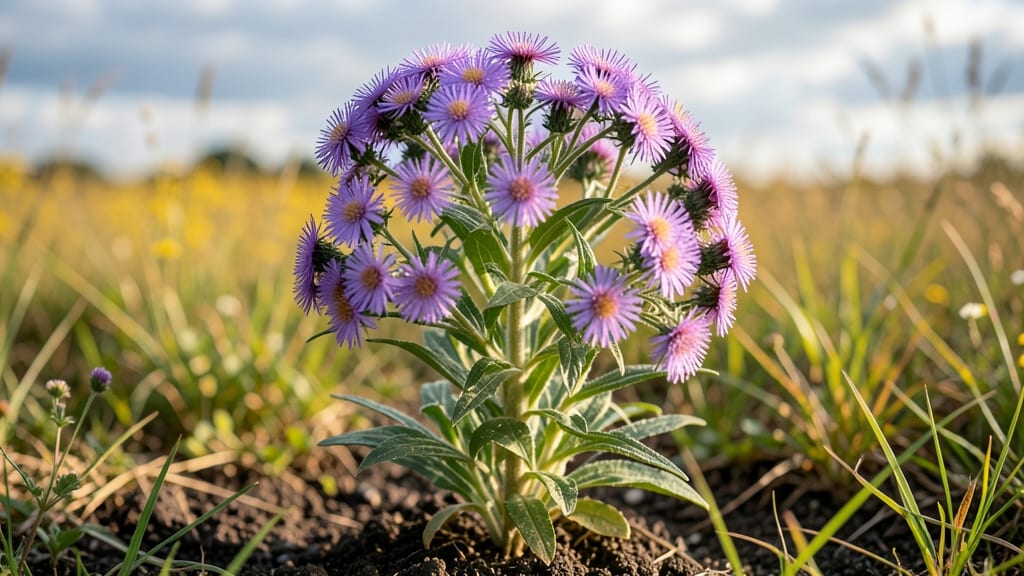
Asters are perennials in most climates, thriving for multiple years with proper care, though some varieties act as short-lived perennials or self-seed annually. Their hardiness spans USDA zones 3–9, depending on the species and growing conditions.
Most asters return year after year, but their lifespan varies dramatically by type. 🌸 New England asters, for example, often live 5+ years with proper care, while China asters may only persist 2–3 years before needing replacement.
The key difference lies in their root systems—deeper-rooted varieties handle winter dormancy better in colder zones (3–5), while tender species thrive in milder climates (7–9). I've found that dividing established clumps every 3–4 years rejuvenates plants and prevents overcrowding, which can shorten their natural lifespan.
What makes asters unique is their seasonal behavior: they die back completely in winter but regrow from the same roots each spring. This dormancy cycle is why they're classified as perennials despite some varieties acting more like biennials.
The late-summer to fall blooming period also gives gardeners a second chance to enjoy color when many other perennials have finished for the year.
💡 In This Article
- Asters as Perennials: Lifespan and Growth Cycle
- Best Growing Conditions for Long-Lived Asters
Asters as perennials: lifespan and growth cycle
Asters belong to the Asteraceae family and are botanically classified as perennials because they grow from the same root system year after year. Unlike annuals that complete their life cycle in one season, asters develop a crown (the base where roots and stems meet) that survives winter dormancy.
This crown contains meristematic tissue—undifferentiated cells that can regenerate new growth when conditions improve. For example, New England asters (Symphyotrichum novae-angliae) often produce 5+ years of blooms, while China asters (Callistephus chinensis) typically last 2-3 years before declining.
The lifespan difference comes down to root depth and cold hardiness. Native asters like the Alpine aster develop deep taproots that store nutrients and moisture, allowing them to withstand USDA zone 3 winters (-40°F).
In contrast, tender varieties like Cushion aster have shallower roots and struggle in zones colder than zone 7 (0°F). The trade-off? Tender species often produce larger, showier blooms but require more protection.
I've observed that even within the same species, plants in full sun with well-draining soil live 20-30% longer than those in poor conditions.
Seasonal dieback is where asters get their "perennial" reputation. After frost kills the above-ground foliage, the crown remains dormant underground. This process, called vernalization, primes the plant for spring regrowth.
The timing varies: hardy varieties like Smooth aster may resume growth as early as late March in zone 5, while tender species wait until May. The key is maintaining consistent moisture during dormancy—dry soil can kill crowns, while waterlogged conditions rot them.
Think of it like hibernation: the plant conserves energy until warm temperatures trigger new shoots.
What most gardeners don't realize is that asters often self-seed prolifically, creating the illusion of perennial behavior even in annual varieties. For instance, China aster drops thousands of seeds that germinate the following spring, leading many to assume they're perennials.
To test this, I've grown both true perennials (like Purple aster) and annuals (like Callistephus) side by side—only the perennials returned from the same root system each year. The annuals produced new plants from seeds, not regrowth.
Cold hardiness plays a dramatic role in lifespan. A New England aster in zone 4 might live 7+ years with proper winter care, while the same plant in zone 9 could struggle past 3 years due to heat stress. The secret?
Mulching with 3-4 inches of organic matter (like shredded leaves) insulates crowns in winter and retains moisture during summer droughts. I've seen Symphyotrichum species thrive for decades in zone 5 gardens with this simple protection—proof that proper care extends their natural lifespan significantly.
One fascinating exception is the Italian aster (Aster amellus), which acts as a short-lived perennial. It lives 3-5 years but declines due to crowding and pathogen buildup in the soil. Dividing clumps every 2-3 years rejuvenates growth.
This practice isn't just for aesthetics—it prevents powdery mildew and root rot, two common issues that shorten aster lifespans. The takeaway? Even "perennial" asters need occasional maintenance to reach their full potential.
Here's the bottom line: asters earn their perennial status through root resilience and seasonal adaptation. While some varieties may only persist 2-3 years, others can grace your garden for decades with the right conditions.
The key variables are crown protection, soil quality, and climate matching. Choose your species wisely, and you'll enjoy their late-season blooms for years to come. 🌿