
Orchid Care
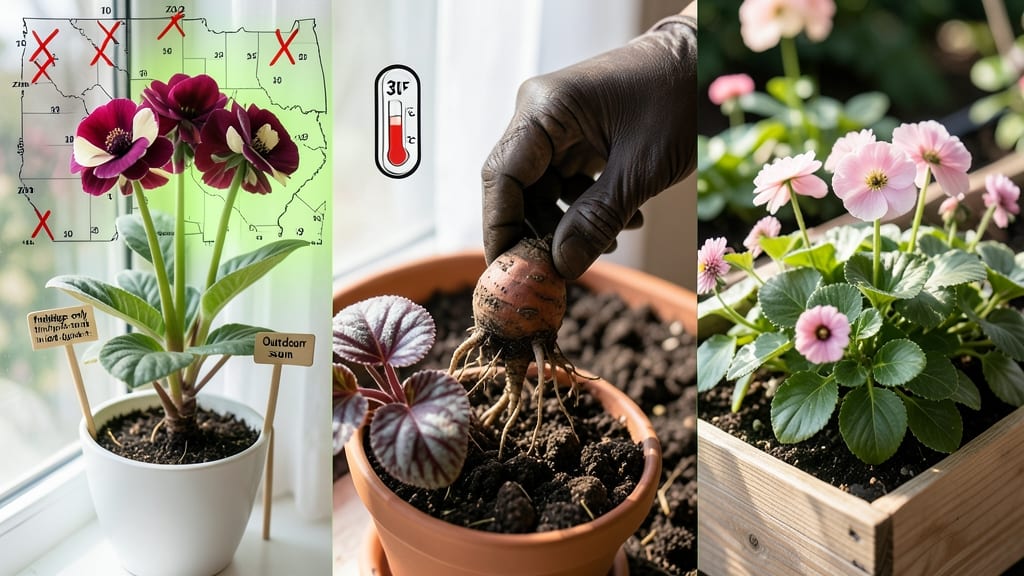
Whether begonias are annuals or perennials depends on your climate—these plants thrive as perennials in frost-free zones (USDA Zones 10-12) but must be treated as annuals in colder regions (Zones 7-9) because they can't survive freezing temperatures. Their longevity hinges on winter protection and seasonal growing conditions.
This distinction comes down to biology and environment.
Begonias are tropical plants with delicate root systems that freeze at temperatures below 32°F, making them unable to regrow after winter in colder zones. 🌱 In warmer climates, they naturally return each year, while gardeners in colder areas must either dig up tubers or bring plants indoors to extend their lifespan.
The key is understanding your local frost dates—most begonias won't survive outdoor winters north of Zone 9 without special care.
For those in colder regions, overwintering techniques like storing tubers in dry peat moss or propagating from leaf cuttings can turn these "annuals" into multi-year plants. The trade-off?
Extra effort during seasonal transitions. In heat zones, begonias reward gardeners with continuous blooms year-round, proving their true perennial nature when given the right conditions.
💡 In This Article
- How USDA Hardiness Zones Determine Begonia Lifespan
- Extending Begonia Life in Cold Climates: Seasonal Care Strategies
How USDA hardiness zones determine begonia lifespan
Begonias' classification as annuals or perennials boils down to their biological response to temperature. These tropical plants originate from regions where nighttime temperatures never dip below 50°F, and their fibrous root systems begin to die back at 40°F.
The key threshold is 32°F—when frost hits, the cell walls rupture, killing the plant's ability to regenerate. In USDA Zones 10-12, where winters stay above 30°F, begonias naturally enter a dormant state underground, then regrow each spring, fulfilling the perennial definition.
The transition happens in Zone 9, where occasional light frosts (28-32°F) may kill above-ground growth but tubers can survive if protected. Gardeners in these areas often treat them as borderline perennials with extra winter care.
North of Zone 9, the risk of prolonged freezing (20°F or lower) makes outdoor overwintering impossible—this is why they're classified as annuals. 🌱 The root system's sensitivity explains why even a single hard freeze can be fatal, unlike hardy perennials like lavender that tolerate -10°F.
What makes this particularly tricky is begonias' shallow root systems—typically only 6-12 inches deep—which offer minimal insulation against cold. Compare this to perennials like hostas with deep rhizomes that store energy underground. Begonias store energy in their tubers, but these need consistent warmth to regrow.
In colder zones, the soil rarely warms enough by spring for tubers to sprout naturally, forcing gardeners to intervene with indoor storage or propagation.
Another critical factor is dormancy timing. Begonias in heat zones naturally stop growing when days shorten, conserving energy until spring. In colder climates, this biological clock gets disrupted—plants may enter dormancy too early if exposed to chilly nights, or fail to break dormancy if winter storage conditions aren't ideal.
This explains why even well-cared-for begonias sometimes refuse to regrow in colder regions.
Consider these zone-specific survival thresholds:
- Zones 10-12: Natural perennials—tubers survive winters with 0-10% mortality
- Zone 9: Borderline—30-50% survival with mulch protection
- Zones 7-8: Annual treatment—90%+ mortality without indoor care
This zone-based biology explains why you'll see begonias thriving year-round in Florida gardens but treated as summer ephemerals in New England. The plant itself isn't changing—it's the climate that dictates its lifespan classification.
Understanding these thresholds helps gardeners make informed decisions about whether to invest in overwintering or simply replant each spring. 💫