
Flowers
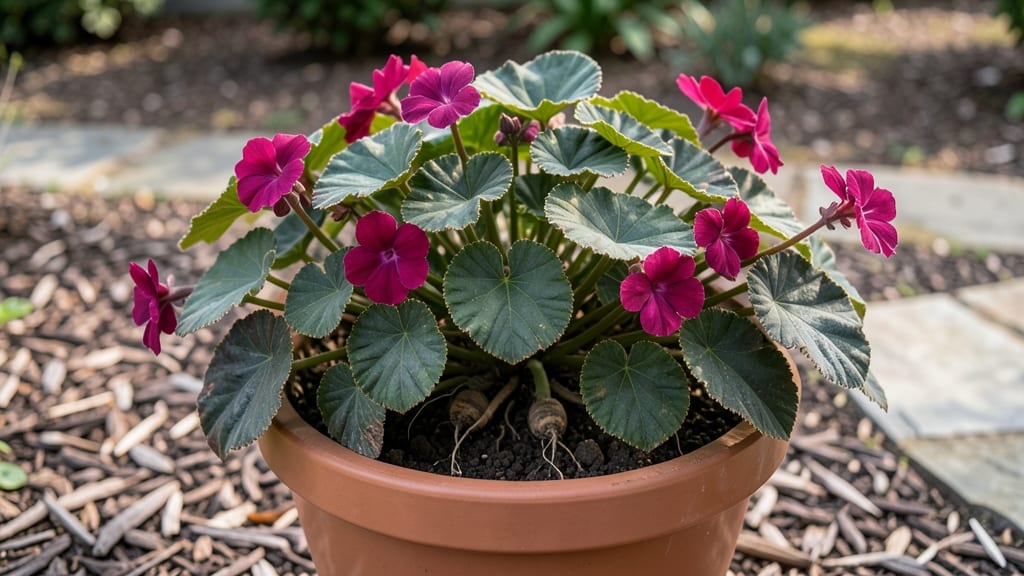
Begonias are not true perennial flowers in most climates, though they behave like perennials by going dormant in winter and regrowing from underground tubers or rhizomes when warm weather returns. Their ability to return each season depends entirely on where you live—hardy types thrive outdoors in zones 10-12, while others need indoor storage or annual replanting to survive.
This "perennial-like" behavior comes from their underground storage structures—tubers or rhizomes—that store energy during cold months.
Unlike true perennials like hostas, which maintain active roots year-round, begonias essentially hibernate until temperatures rise. 🌱 In colder zones, gardeners often dig up tubers before frost and store them in dry peat moss until spring, effectively giving these plants a second chance each year. The key difference?
True perennials regrow from the same root system, while begonias rely on these stored energy reserves.
What this means for gardeners is that begonias can feel like perennials if you treat them right—but their survival depends on your climate and care routine. In warmer zones, they'll naturally come back; elsewhere, they become annuals unless you take steps to protect them.
Think of them as "seasonal perennials" that need a little extra help in colder areas.
💡 In This Article
- How Begonia Dieback Cycles Differ From Classic Perennials
- Climate-Specific Begonia Overwintering Strategies for Year-Round Growth
How begonia dieback cycles differ from classic perennials
Begonias rely on specialized underground structures—tubers or rhizomes—to survive winter dormancy, unlike true perennials that maintain active root systems year-round. These storage organs store starches and nutrients, allowing the plant to "reset" when temperatures drop below 50°F.
The above-ground foliage dies back completely, but the tuber remains dormant until spring warmth triggers regrowth. This process is fundamentally different from hardy perennials like hostas, which keep their roots alive through winter and simply pause growth.
The key distinction lies in their energy storage mechanism. Begonia tubers function like natural batteries, storing up to 80% of their energy reserves during the growing season to fuel next year's growth. When you see a begonia's leaves yellow and crisp in fall, it's not dying—it's conserving energy.
True annuals like impatiens, meanwhile, complete their entire lifecycle in one season, while true perennials like peonies maintain continuous root activity. Begonias occupy a middle ground, earning them the nickname "seasonal perennials."
This dieback cycle explains why begonias thrive in warm climates but struggle outdoors in colder zones. In areas with fewer than 200 frost-free days annually, the tuber may not have enough time to fully recharge before winter arrives.
The plant's survival then depends entirely on whether you protect those tubers properly. Without intervention, they'll simply rot in the ground, making begonias behave more like annuals in these regions.
Consider the texture difference: true perennial roots feel woody and fibrous, while begonia tubers are smooth, firm, and often knobby. When you dig up a dormant begonia tuber, you'll notice these gnarled growth points where next year's shoots will emerge.
This physical structure is your visual clue that this isn't a classic perennial system—it's a specialized survival strategy.
The timing of this cycle matters too. Most begonias begin their dormancy when nighttime temperatures consistently drop below 60°F for two weeks. This triggers the plant to redirect all energy to the tuber. In contrast, true perennials might just slow their growth rather than completely shut down.
The sensory difference is striking: a dying begonia stem will feel papery and brittle, while a perennial might simply go dormant with pliable stems.
What this means for gardeners is that begonias can feel like perennials if you treat them right—but their survival depends on your climate and care routine. In warmer zones, they'll naturally come back; elsewhere, they become annuals unless you take steps to protect them.
Think of them as "seasonal perennials" that need a little extra help in colder areas.
This lifecycle explains why you'll often see begonias sold as annuals in garden centers—most nurseries don't carry the specialized tuber varieties needed for overwintering.
The plants you buy are typically bred for summer color rather than winter survival, which is why understanding this cycle helps you choose the right varieties for your climate.