
Orchid Care
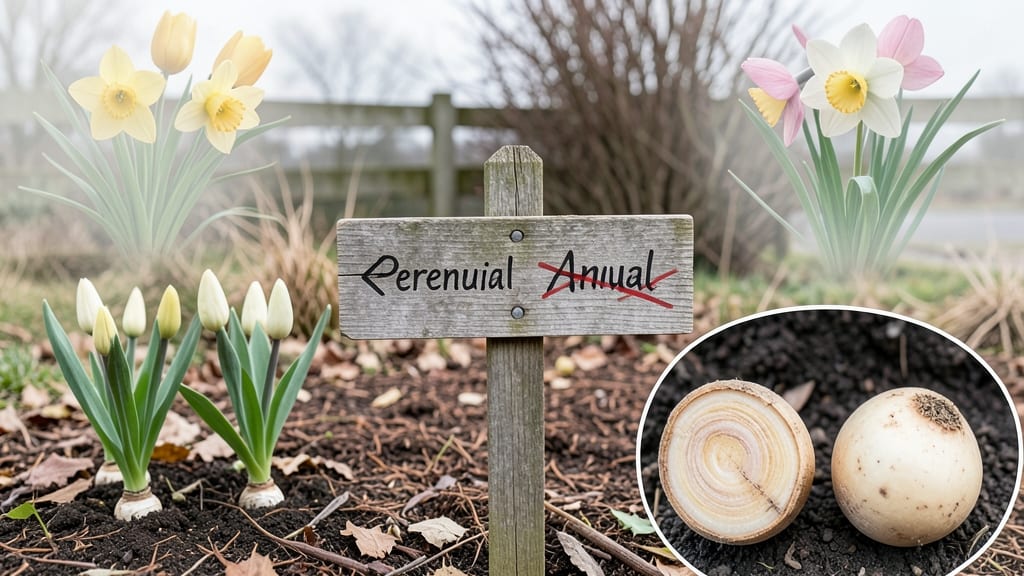
Bulbs behave as perennial plants because they regrow each year from underground storage structures like tunics or scales, though some varieties may appear annual in colder climates where they don't survive winter.
This perennial behavior comes from their unique storage organs—think of them as nature's built-in survival kits. 🌱 True perennial bulbs like daffodils or alliums store energy in their tunics or scales underground, allowing them to push through soil year after year.
However, in regions with harsh winters, even these hardy plants might not return, making them act like annuals. The key difference lies in their ability to regenerate from those underground reserves, which is why proper soil prep and winter protection can extend their lifespan dramatically.
For gardeners, this means treating bulbs with extra care during their dormant phase. I always mulch heavily in fall and avoid disturbing the soil around them until new growth appears—this helps protect those vital storage organs from freezing or drying out.
Some bulbs, like caladiums, naturally have shorter lifespans and may need annual replanting, while others like lilies can thrive for decades with the right conditions.
💡 In This Article
- Understanding Bulb Perennial vs Annual Growth Cycles
- How to Identify and Care for Perennial vs Annual-Like Bulbs
Understanding bulb perennial vs annual growth cycles
The fundamental difference between bulbs that behave as perennials and those that act like annuals lies in their underground storage structures. True perennial bulbs, such as daffodils (Narcissus) or alliums, store nutrients in specialized layers called tunics (dry, papery coverings) or fleshy scales.
These structures act like natural batteries, preserving energy through dormancy and fueling regrowth each spring. For example, a daffodil bulb can store enough energy to produce flowers for years if protected from extreme cold or dehydration.
The regrowth process begins when temperatures rise and moisture becomes available. The bulb's basal plate (the bottom) activates, sending out roots first, followed by shoots.
This sequence is critical—if you disturb the soil too early, you risk damaging these delicate emerging structures. Perennial bulbs like tulips (Tulipa) can live for 5-10 years or more with proper care, while their annual counterparts (like Caladium) lack this resilience due to less robust storage systems.
Climate plays a pivotal role in determining whether a bulb acts as a perennial or annual. In Zone 5 or colder, even hardy bulbs like crocuses may not survive winter exposure without mulch or snow cover.
The USDA Hardiness Zone map helps predict which bulbs will return—daffodils thrive in Zone 3, while tropical bulbs like cannas (Canna) die back annually in Zone 7 unless dug up and overwintered indoors.
What most gardeners overlook is the dormancy phase. During winter, perennial bulbs enter a metabolic slowdown, reducing water loss and conserving energy. This adaptation explains why bulbs planted in well-draining soil with 30-50% organic matter (like compost) have higher survival rates—they're less prone to rot or freezing.
Annual-like bulbs, however, often lack this deep dormancy and may need replanting yearly in marginal climates.
Consider the lily family (Lilium) as a prime example: Oriental lilies can live for decades if left undisturbed, while Caladium (elephant ear) bulbs rot in cold soil and must be treated as annuals.
The key takeaway? A bulb's lifespan depends on its storage organ's durability and your ability to mimic its native growing conditions.
For visual learners, think of it like this: Perennial bulbs are marathon runners with energy reserves, while annual bulbs are sprinters that exhaust their fuel in one season. 🌱 The right soil, water, and winter protection can turn a "one-year wonder" into a long-term garden star.