
Plants
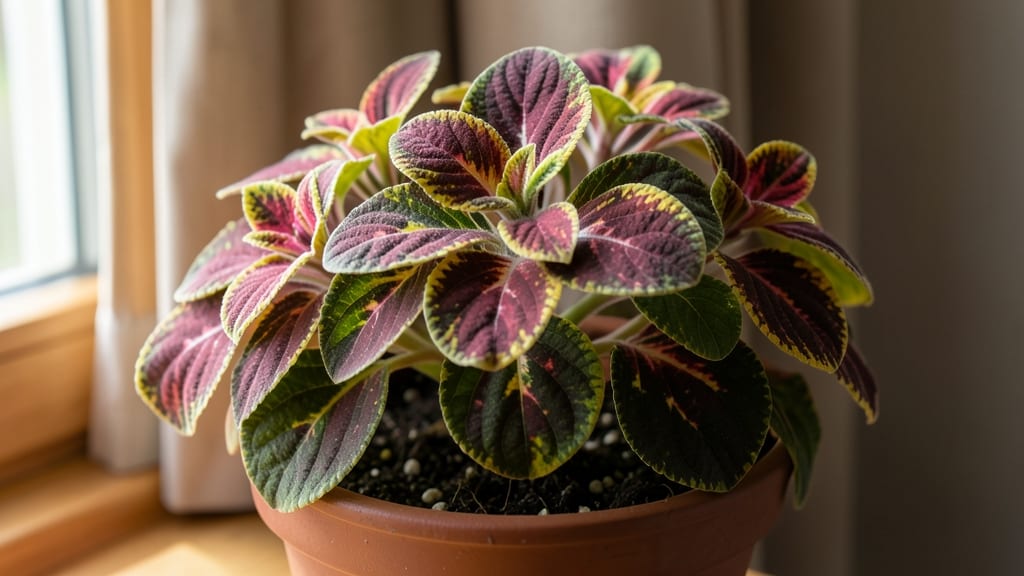
Coleus plants are not true perennials in cold climates, as they die back to the ground each winter and must be replanted annually. In frost-free zones, they can persist year-round with proper care, thriving as tender perennials or short-lived woody shrubs under ideal conditions.
Whether you're growing coleus in USDA Zone 10 or higher, their lifespan depends entirely on your climate. 🌿 In colder regions, these vibrant plants behave like annuals, completing their life cycle each season, while in warmer areas, they can return year after year with minimal intervention.
The key difference lies in their ability to survive frost—coleus stems freeze at temperatures below 32°F, but their root systems in frost-free zones often regenerate when conditions improve.
What many gardeners don't realize is that even in mild climates, coleus won't naturally overwinter like true perennials. Without protection or careful indoor care, they'll still succumb to cold snaps. The good news?
With proper propagation techniques—like cutting back stems before the first frost or bringing potted plants indoors—you can effectively extend their lifespan beyond a single season, even in colder regions.
💡 In This Article
- Understanding Coleus Cold-Hardiness and Growth Cycles
- How to Extend Coleus Lifespan in Cold Climates
Understanding coleus cold-hardiness and growth cycles
Coleus plants (Coleus blumei) belong to the tender perennial category, meaning they thrive in warm climates but struggle with frost. Their stems and leaves freeze at temperatures below 32°F, causing the entire plant to die back to the ground.
Unlike true perennials (such as hostas or daylilies), coleus lacks the hardy root systems or underground storage structures needed to survive winter dormancy in colder regions. 🌱
In USDA Hardiness Zones 10 and above, where frost rarely occurs, coleus can persist year-round. The plant's tuberous roots (small, fleshy underground stems) store energy and can regenerate new growth when conditions are favorable.
This is why you'll often see coleus returning in spring without replanting—it's not a true perennial, but it behaves like one in frost-free environments. In contrast, zones 9 and below typically require annual replanting unless you take protective measures.
The growth cycle of coleus is closely tied to temperature. During warm months, they grow vigorously, producing lush foliage with vibrant colors. When temperatures drop below 50°F, growth slows dramatically. At 32°F or lower, the entire above-ground plant succumbs to frost, but the roots may survive if protected.
This is why many gardeners treat coleus as an annual in colder climates—it completes its life cycle each season unless you intervene with overwintering techniques.
One key factor is the plant's origin. Native to tropical regions of Southeast Asia, coleus has evolved to thrive in warm, humid conditions. Its inability to tolerate frost is a direct result of this tropical adaptation.
For example, in Zone 7, where winter lows can reach 0°F, coleus will die back completely unless grown in containers and brought indoors before frost. This is why you'll see them sold as seasonal bedding plants in nurseries—gardeners know they won't survive winter outdoors.
There's a common misconception that coleus can overwinter like other perennials. However, without proper care, even their roots struggle in cold soil. The soil temperature plays a critical role—coleus roots begin to suffer when soil temps drop below 40°F.
In frost-free zones, the roots remain active year-round, allowing the plant to regrow from the same root system. In colder zones, the roots often die back too, requiring fresh plantings each spring. 🌿
For those in transitional climates (Zones 8-9), partial overwintering is possible. Some gardeners use mulch (thick layers of straw or leaves) to insulate the soil and protect the roots. Others dig up potted plants and store them in cool, dark garages until spring.
These methods don't make coleus a true perennial, but they extend its lifespan beyond a single season by preserving the root system.