
Flowers
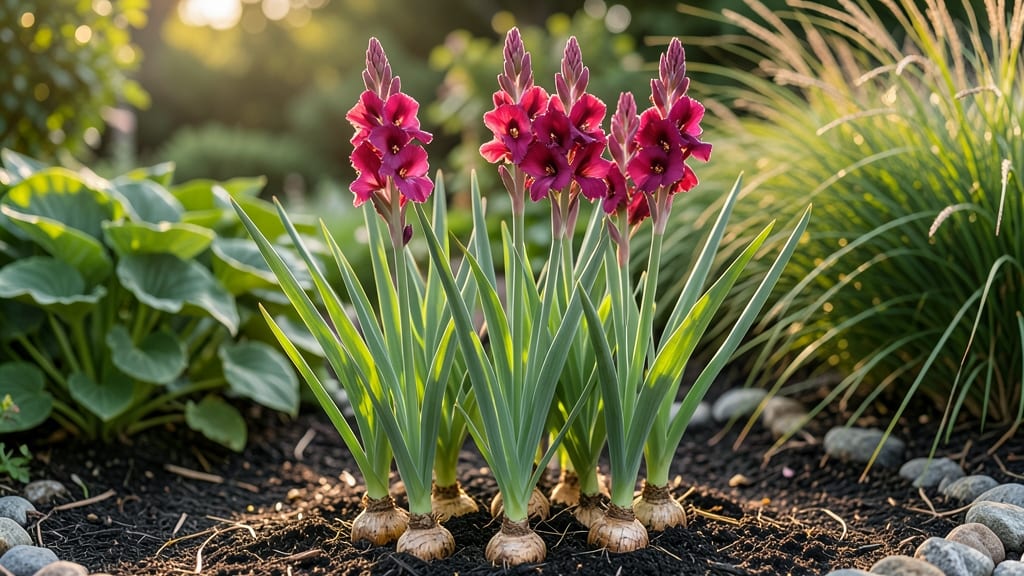
Gladiolus aren't true perennials in most climates—they act like seasonal bulbs, going dormant in winter and regrowing from corms each spring when protected from freezing.
These striking flowers rely on underground corms to store energy, much like tulips or daffodils.
Unlike true perennials that survive winter above ground, gladiolus corms need protection from frost to regrow. 🌱 In warmer zones (USDA 8+), they may persist year-round, but in colder areas, gardeners must dig and store corms indoors or use heavy mulch.
The key difference lies in their native habitats—gladiolus thrive in Africa's frost-free regions, so they've adapted to temporary dormancy rather than cold hardiness.
This seasonal behavior explains why they bloom spectacularly each summer after proper care. The trade-off? Without winter protection, the corms won't survive, making them more like "repeatable annuals" than traditional perennials.
Think of them as nature's way of conserving energy—when temperatures drop, the plant shuts down until conditions improve. With the right overwintering techniques, you can enjoy their dramatic spikes year after year!
💡 In This Article
- Why Gladiolus Appear to Die Back Annually
- How to Overwinter Gladiolus for Repeated Blooms
Why gladiolus appear to die back annually
The gladiolus plant's annual dormancy cycle begins with its specialized underground storage organ—the corm. Unlike true perennials that develop rhizomes or deep root systems to survive winter, gladiolus store all their energy in a modified stem structure called a corm.
This corm acts like a biological battery, storing starches and sugars built up during the growing season. When temperatures drop below 40°F, the plant's natural response is to shut down above-ground growth and redirect resources into the corm.
What makes gladiolus unique is their cold sensitivity. Native to frost-free regions of Africa, these plants have evolved to enter dormancy when conditions become unfavorable rather than developing cold hardiness.
The corm's outer layers contain protective compounds that prevent freezing, but only up to a point—prolonged exposure to temperatures below 32°F will kill the corm. This is why gardeners in colder climates must take special precautions.
True perennials like hostas or daylilies can withstand freezing because they've developed specialized tissues to insulate their growing points.
The dormancy process involves several physiological changes. First, the plant stops producing chlorophyll, causing the leaves to yellow and die back. This isn't a sign of death—it's a conservation strategy. The corm then enters a state of metabolic slowdown, reducing water loss and energy expenditure.
What's fascinating is how this process mirrors what happens with tulip bulbs, but with one key difference: gladiolus corms are more sensitive to moisture during dormancy. Too much water can cause them to rot, while too little can prevent proper energy storage for the next growing season.
Here's where the comparison to true perennials breaks down completely. While plants like peonies or coneflowers maintain some green foliage through winter, gladiolus have completely abandoned above-ground growth. Their entire survival strategy depends on the corm's ability to remain viable until spring.
The corm's structure is actually quite remarkable—it has concentric layers that resemble an onion, with each layer representing a year of growth. This layered structure allows the plant to regenerate new shoots from the most recent growth layer each spring.
What most gardeners don't realize is that gladiolus corms contain growth inhibitors that prevent premature sprouting. These chemical signals only deactivate when temperatures rise and daylight increases in spring. This built-in timing mechanism ensures the plant won't waste energy growing too early.
The result is that properly cared-for corms can produce flowers for 3-5 years before needing replacement, making them more like long-lived annuals than true perennials.
The seasonal behavior becomes even more interesting when you consider how gladiolus respond to light. These plants are actually day-neutral, meaning they'll flower regardless of day length, but their dormancy cycle is triggered by temperature changes.
This explains why you can sometimes get a second, smaller bloom cycle in late summer if conditions remain favorable—it's the plant's way of making the most of available growing time before winter forces dormancy.