
Plants
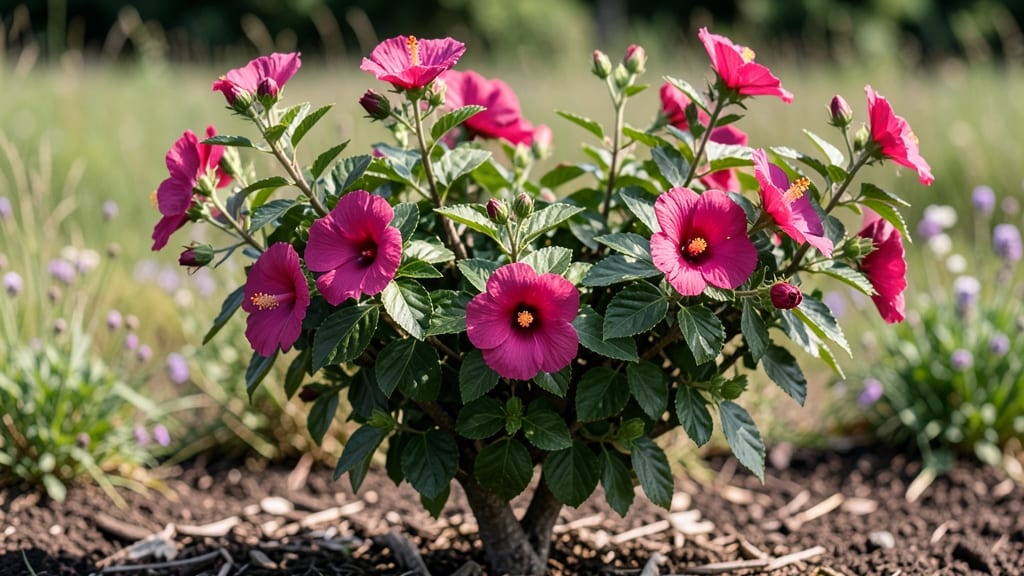
Hibiscus plants aren't true perennials in most climates—they die back completely each winter but regrow from their roots when temperatures warm up in zones 9-11. Hardy species like Hibiscus moscheutos can survive colder winters with protection, while tropical varieties (Hibiscus rosa-sinensis) must be overwintered indoors or treated as annuals.
This behavior isn't failure—it's how hibiscus adapt to seasonal changes. 🌱 The key difference lies in their root systems, which stay alive underground even when above-ground growth dies back.
In colder zones (USDA 7 and below), you'll need to take extra steps like mulching or container overwintering to preserve those roots for next year's blooms. What many gardeners don't realize is that hibiscus actually store nutrients in their roots during dormancy, which fuels their dramatic spring regrowth.
The confusion often comes from how we define "perennial." While hibiscus don't survive winter above-ground in most regions, their root systems demonstrate perennial-like resilience.
This is why you'll see them return year after year in warmer climates—it's not the same as a true perennial's year-round growth, but it's close enough that many gardeners treat them as long-lived plants with proper care.
💡 In This Article
- Hibiscus Plant Lifespan and Cold Hardiness Zones
- How to Overwinter Hibiscus Plants for Next Year’s Growth
Hibiscus plant lifespan and cold hardiness zones
The lifespan of hibiscus plants hinges on their ability to survive winter dormancy through their root systems. Unlike true perennials that maintain above-ground growth year-round, hibiscus store energy reserves in their thick, fibrous roots during cold months.
This adaptation allows them to regrow from the ground up when temperatures rise above 50°F in spring. 🌿 The root system can remain viable for years, even in colder climates, as long as it's protected from freezing soil.
Cold hardiness varies dramatically between species. Tropical hibiscus like Hibiscus rosa-sinensis (commonly called Chinese hibiscus) cannot tolerate temperatures below 30°F and will die back completely without protection.
In contrast, hardy hibiscus species such as Hibiscus moscheutos (swamp hibiscus) and Hibiscus syriacus (rose of Sharon) can survive down to 10-15°F with proper mulching and winter care. The difference lies in their evolutionary adaptations—tropical varieties evolved in warm climates while hardy species developed cold resistance in temperate regions.
USDA hardiness zones play a critical role in determining hibiscus behavior. In zones 9-11, hibiscus naturally behave like perennials, dying back only slightly or not at all during mild winters. However, in zones 7-8, gardeners must take active measures to protect roots from freezing.
The key threshold is soil temperature: roots can survive brief exposure to 20°F but will suffer damage if frozen solid for extended periods. This is why mulching with 4-6 inches of organic material (like straw or leaves) is essential in colder regions.
What triggers hibiscus dieback isn't just cold air but the combination of freezing ground and shortened daylight hours. As temperatures drop below 40°F, the plant enters a state of dormancy where growth halts and resources are redirected to root storage.
This physiological response explains why hibiscus often appear dead in winter but can bounce back spectacularly in spring—sometimes with even more vigorous growth than the previous year. 🌸
Consider the case of Hibiscus coccineus (scarlet hibiscus), which thrives in zones 5-9 with proper care. Gardeners in zone 5 report successful overwintering by digging up tubers and storing them in 40-50°F conditions, while those in zone 9 see their plants return year after year with minimal intervention.
The same species behaves differently based solely on climate conditions, demonstrating how hibiscus adapt to their environment.
The confusion about hibiscus being perennials stems from this root-based resilience rather than true perennial behavior. While they don't maintain above-ground growth through winter, their ability to regenerate annually from the same root system gives them perennial-like longevity.
This makes them semi-perennials in botanical terms—a category that includes plants like peonies and cannas, which also die back but regrow reliably each season.
For gardeners in marginal zones (7-8), understanding this root system behavior is crucial. The key to successful hibiscus cultivation lies in protecting those roots during winter, whether through heavy mulching, container overwintering, or digging and storing tubers.
This approach transforms hibiscus from seasonal annuals into long-lived garden staples that reward patience with years of spectacular blooms. 💫