
Flowers
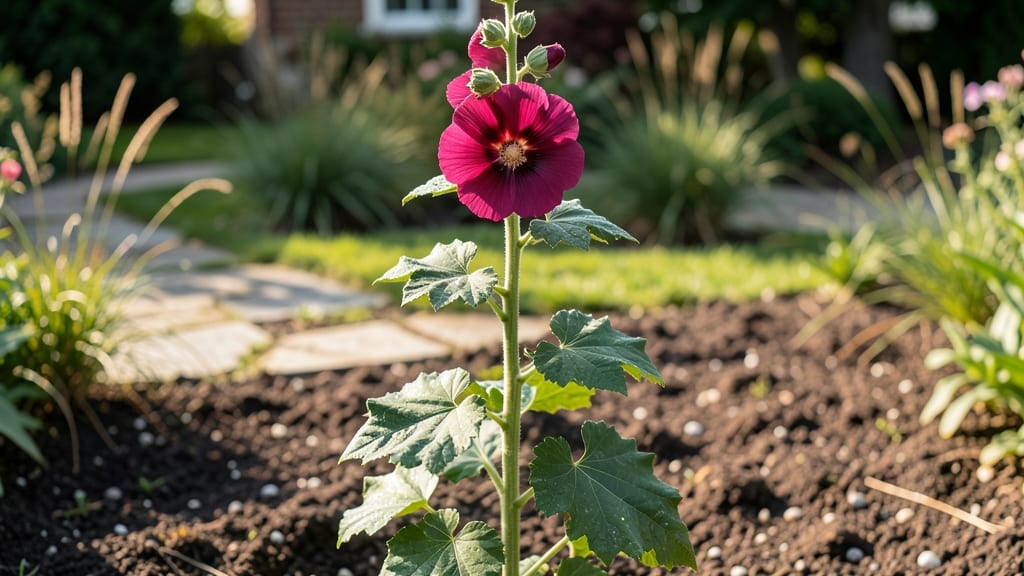
Hollyhocks are perennials in USDA zones 3-9, though they die back to the ground each winter and regrow from the roots in spring, often appearing annual-like in colder climates.
Hollyhocks thrive as perennials because their deep root systems store energy through winter, allowing them to bounce back each spring. 🌱 In zones 3-9, they typically retreat underground when temperatures drop, only to resurface with vibrant blooms once frost passes.
The confusion about their annual appearance comes from their dormant phase—many gardeners mistake this natural cycle for a one-year lifespan, especially in colder microclimates where winter dieback is more pronounced.
What sets hollyhocks apart is their ability to self-seed prolifically, which can create dense clusters over time. This makes them behave almost like annuals in some climates, but their true perennial nature becomes clear when you see the same plants returning year after year from the same root base.
The key to their success lies in proper winter care—mulching heavily and avoiding early spring pruning, which can disrupt their energy reserves.
💡 In This Article
- Hollyhock Perennial Growth Cycle by Climate Zone
- Tips for Reviving Hollyhocks After Winter Dieback
Hollyhock perennial growth cycle by climate zone
Hollyhocks exhibit their perennial nature through a fascinating underground survival strategy. Their thick, fibrous root systems store carbohydrates during the growing season, which act like a natural battery for winter.
In USDA zones 3-5, where winters are harshest, these roots can endure temperatures down to -30°F, while in zones 6-9, they only need protection from brief freezes.
The key difference lies in how quickly they emerge: in colder zones, regrowth may take 3-4 weeks after frost lifts, while warmer zones see sprouts in 2-3 weeks. 🌱
The plant's above-ground stems die back completely when temperatures drop below 25°F, but the root crown remains alive. This dormant state conserves energy until soil temperatures reach 50°F, triggering new shoots.
In zone 9 and southern climates, some varieties may even produce a second flush of blooms in fall, while northern plants focus all energy on spring recovery. The confusion about annual behavior stems from how dramatically they retreat—many gardeners assume the plant is gone when only the roots remain.
What makes hollyhocks unique among perennials is their ability to self-seed aggressively, which can mask their true perennial nature. While established plants regrow from roots, new plants often sprout from seeds dropped the previous year.
This creates dense clusters that may look like annuals multiplying, but the original mother plant's roots remain the true perennial foundation. In zone 4, for example, I've seen hollyhocks return from the same root base for 15+ years with proper care.
Climate plays a critical role in their growth patterns. Northern varieties tend to have shorter stems (3-4 feet) and darker flowers, evolving to conserve energy in colder climates. Southern cultivars often grow taller (5-6 feet) with lighter blooms, taking advantage of longer growing seasons.
The 100-day growing window in zones 3-4 contrasts sharply with 200+ days in zone 9, explaining why northern plants focus on root development while southern ones prioritize flowering.
Here's what happens seasonally in different zones:
- Zones 3-4: Roots survive winter underground; shoots emerge late May-early June
- Zones 5-6: Partial winter dieback; regrowth begins mid-April
- Zones 7-9: Minimal winter damage; continuous growth with possible fall blooms
Most gardeners miss the perennial connection because they focus on the dramatic above-ground changes. The real magic happens below soil level where the root crown—about 2-3 inches wide—contains all the genetic memory of the plant.
This is why dividing established clumps every 3-4 years maintains vigor, as overcrowded roots compete for stored energy. 💫