
Plants
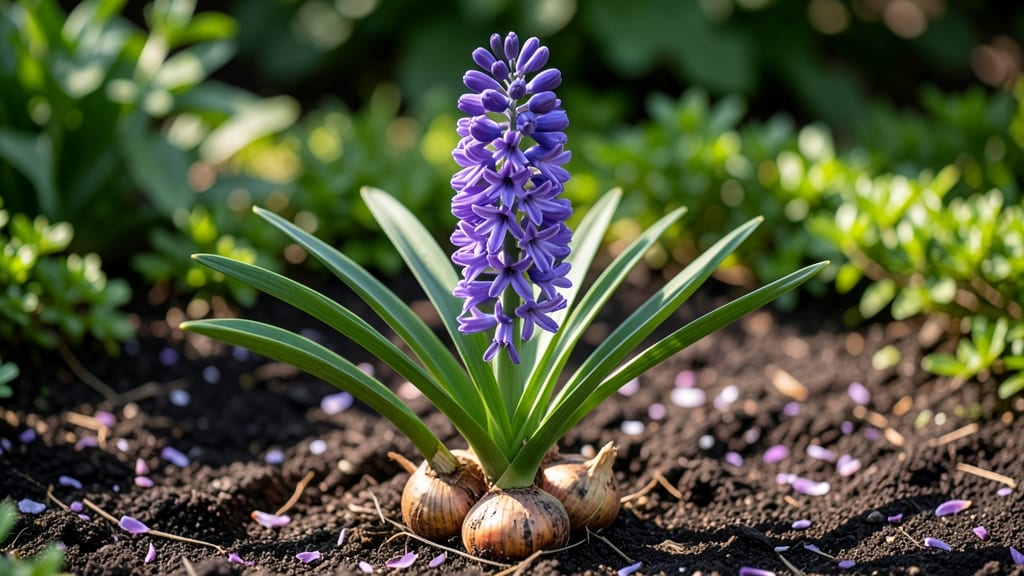
Yes, hyacinths are perennials that return each spring from the same underground bulb, provided they receive proper care and winter protection in zones 3-9.
Hyacinths aren't like annuals that sprout, bloom, and disappear—they store energy in their bulbs during winter dormancy. 🌱 This underground storage system lets them push through soil come spring, often producing even more vibrant blooms than the year before.
The key to their perennial success lies in protecting those bulbs from freezing temperatures and ensuring they get enough sunlight once active growth resumes.
What many gardeners don't realize is that hyacinths actually prefer cooler temperatures after flowering—this helps them build energy reserves for next year's blooms. In colder zones (like 3-5), I recommend covering the planting area with 3-4 inches of mulch or lifting bulbs entirely before winter.
The trade-off? A little extra effort now means you'll enjoy those fragrant purple, pink, or white spikes for years without replanting.
💡 In This Article
- How Hyacinth Bulbs Survive Winter Dormancy
- Best Practices for Growing Hyacinths as Perennials
How hyacinth bulbs survive winter dormancy
Hyacinth bulbs enter a carefully regulated state of dormancy when temperatures drop, triggered by shorter daylight hours and cooler soil conditions. This process begins in late summer as the foliage yellows and dies back, signaling the bulb to redirect its energy into storage.
Inside the bulb, specialized cells called meristematic cells remain alive but inactive, protected by layers of papery skin that act like natural insulation. The bulb's core temperature can drop to 32-40°F without damage, thanks to its high sugar content which acts as an antifreeze-like compound.
The real magic happens when winter chilling occurs—hyacinths need 12-16 weeks of temperatures below 40°F to break dormancy properly. This cold period forces the bulb to produce hormones that stimulate root growth in early spring. Without adequate chilling, bulbs may produce weak shoots or fail to bloom entirely.
In warmer climates (zones 8-9), gardeners often replicate this chilling by storing bulbs in a cool, dark place at 40-50°F for 8-10 weeks before replanting. 🌱
What sets hyacinths apart from other perennials is their ability to regenerate from just a small portion of the bulb. Even if the top layers freeze or rot, the basal plate (the bulb's "stem cell" region) can often repair itself when conditions improve.
This resilience explains why hyacinths often return year after year even with minimal winter protection—though proper care certainly improves their chances. The bulb's layered structure also helps: each concentric layer contains nutrients that sustain the plant through dormancy.
Mulching plays a crucial role in preserving this delicate balance. A 3-inch layer of straw or shredded leaves over planting areas in zones 5-7 can maintain soil temperatures just above freezing while blocking wind.
In zones 3-4, lifting bulbs and storing them in sphagnum moss or sawdust at 40°F mimics their natural winter conditions. The key is avoiding moisture during storage—rotting bulbs won't regrow. This careful management turns what looks like death in winter into a carefully timed survival strategy.
Here's what happens when you get the conditions right: In early spring, the bulb's meristematic cells receive the chemical signal to grow, producing new roots that tap into moisture. Within weeks, shoots emerge from the same growth points that produced last year's flowers—a testament to the bulb's perennial nature.
The scent you'll recognize comes from volatile oils produced in these new shoots, a sign the plant is actively preparing for bloom. 💜
The takeaway? Hyacinths don't just survive winter—they use it as a reset button. This dormancy period isn't passive; it's an active process where the bulb recharges, repairs, and prepares for next year's performance. Understanding this biological cycle is what separates occasional blooms from reliable perennial displays year after year.