
Plants
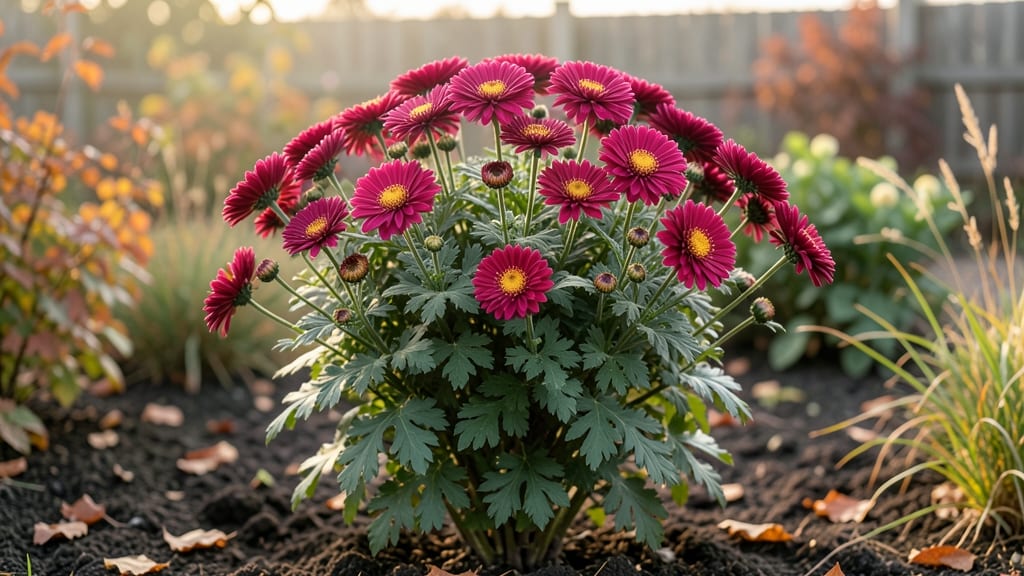
Mums are perennials in most climates but often treated as annuals because they die back in winter. With proper care—like mulching and protecting from extreme cold—they'll regrow from their roots each spring in zones 5-9.
This dieback cycle is actually how perennials survive winter—they go dormant above ground but keep their roots alive. 🌱 The key difference between mums and true annuals is that annuals die completely, while perennials like mums store energy underground to sprout again.
Many gardeners mistakenly replace them yearly because they forget about this natural process. In colder zones, adding extra mulch or moving potted mums to sheltered spots can make all the difference for next year's blooms.
What's interesting is how this dormancy works: mums trigger it when temperatures drop below 40°F, shutting down leaf production to conserve energy. The roots stay active just below the frost line, waiting for warmth to return.
This explains why some mums bloom earlier than others—it depends on how well they overwintered.
💡 In This Article
- Why Mums Die Back and How It Affects Their Perennial Status
- Protecting Mums Through Winter for Reliable Regrowth
Why mums die back and how it affects their perennial status
Mums enter dormancy when temperatures drop below 40°F, triggering a biological response where the plant conserves energy by shedding leaves and stems. This isn't death—it's survival mode.
The roots, which can extend 12-18 inches deep, remain active just below the frost line, storing carbohydrates like starches and sugars that fuel spring regrowth. Think of it like a bear hibernating: the visible plant parts disappear, but the life force remains underground 🌱.
The confusion arises because mums grown from cuttings or young plants often lack fully developed root systems. These immature plants struggle to overwinter, making them appear annual-like. However, mature mums with established roots (typically 2-3 years old) can survive winters in zones 5-9.
The key difference is root mass—perennial mums develop a robust network that stores enough energy to regenerate above-ground growth when temperatures rise above 50°F in spring.
This dormancy cycle explains why gardeners in colder climates often replace mums yearly. Without protection, the roots can suffer freeze damage, especially when soil temperatures drop below 20°F.
The plant's natural defense is to harden its tissues as temperatures fall, but this process requires time—young plants don't have the maturity to complete it effectively. That's why 3-year-old mums overwinter better than their younger counterparts 💛.
What most people don't realize is that mums actually bloom on new growth each year. The flowers you see in fall develop from buds formed during the previous summer's growth. This means the plant's energy is focused on root development during its first year, with minimal flowering.
By year two, it's ready to produce those vibrant blooms—if it survives winter. This delayed flowering is another clue to their perennial nature.
The classification as perennials comes from their ability to complete this cycle multiple times. True annuals like marigolds die completely after seeding, while mums can repeat their life cycle for 5-10 years with proper care.
The dieback you see in winter is simply the plant's way of protecting its most vital (and hidden) parts—the roots—that contain all the genetic information needed to regenerate the entire plant when conditions improve.
Here's what's happening at the cellular level: As temperatures drop, mums produce higher concentrations of abscisic acid, a plant hormone that triggers dormancy. This hormone helps close stomata (leaf pores) to prevent water loss and redirects nutrients to root storage organs.
The roots themselves develop protective compounds that prevent cell damage from freezing, similar to how some animals produce antifreeze proteins in their blood 🧊.
The bottom line is that mums' dieback is an adaptation, not a flaw. This survival strategy allows them to thrive in seasonal climates where complete die-off would be fatal.
With the right conditions—particularly proper winter protection—they'll reward you with years of colorful blooms, proving they're far more resilient than their annual reputation suggests.