
Plants
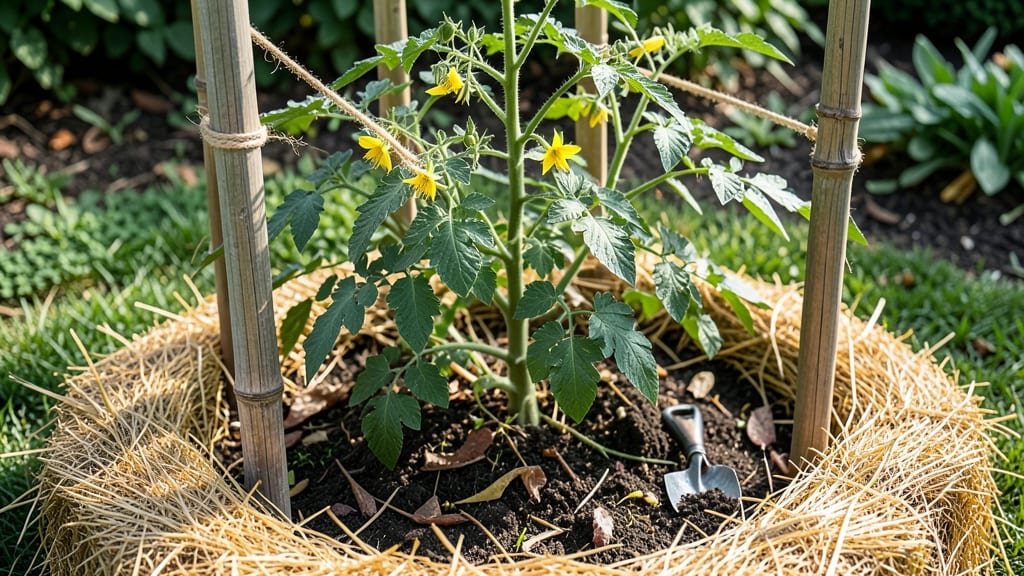
Tomato plants are not perennial in most climates, meaning they complete their life cycle each season and die back after fruiting. However, in frost-free zones, they can sometimes regrow from the roots with proper protection. Cold snaps and improper care usually kill them annually.
Most gardeners treat tomatoes as annuals because they're sensitive to frost and cold—temperatures below 50°F can stunt growth, while hard freezes kill them outright. 🌱 The energy they invest in producing fruit leaves little reserve for surviving winter, unlike true perennials such as asparagus or rhubarb.
Even in mild climates, improper watering or disease can cut their lifespan short. That said, with techniques like container growing or heavy mulching, you might coax a second season from them in warmer areas.
What's fascinating is how these plants behave differently based on their environment. In USDA zones 10-12, where winters rarely drop below 40°F, tomatoes can sometimes persist as semi-perennials, sending up new growth from the same roots.
This is why many gardeners in those regions treat them like perennials—though they still need protection from unexpected cold snaps. The key difference? True perennials store energy underground year-round, while tomatoes rely on seasonal conditions to survive.
💡 In This Article
- Why Tomato Plants Die Annually in Most Gardens
- How to Overwinter Tomato Plants in Cold Climates
Why tomato plants die annually in most gardens
Tomatoes are classified as tender perennials rather than true perennials because they lack the hardy root systems and energy reserves needed to survive freezing temperatures. When nighttime temperatures drop below 50°F, their growth slows dramatically, and frost (32°F or lower) triggers irreversible damage to their delicate cell structures.
This sensitivity stems from their tropical origins—wild tomatoes evolved in South America's warm climates where frost never occurs naturally. 🌱 The plant's entire energy focus shifts to fruit production during the growing season, leaving minimal reserves for winter survival.
The biological mechanism behind their annual cycle involves photoperiodism—the plant's response to daylight length. As days shorten in autumn, tomatoes shift from vegetative growth to reproductive mode, prioritizing fruit development over root and stem maintenance. This is why even healthy plants wilt and die back once frost arrives.
Compare this to true perennials like asparagus: they allocate 20-30% of their energy to underground storage organs (rhizomes/corms) each season, allowing them to regrow year after year. Tomatoes simply don't have this biological adaptation.
Another critical factor is their water uptake system. Tomato roots are shallow and fibrous, designed for rapid nutrient absorption during the growing season. When cold weather arrives, these roots become vulnerable to root rot if soil moisture remains high—a common issue in autumn gardens.
The combination of cold stress and poor drainage creates a perfect storm for plant death. Even in mild climates, improper watering (either drought or overwatering) accelerates this decline, proving that proper care can only do so much against their inherent limitations.
What most gardeners don't realize is how disease pressure compounds the problem. Tomato plants accumulate fungal spores and viral pathogens throughout the season, which lie dormant in soil until winter. When temperatures drop, these pathogens become more aggressive, further weakening the plant's already compromised immune system.
This is why professional growers often rotate crops annually—each season's tomato remnants leave behind a "legacy" of pathogens that make overwintering attempts even riskier. 🌡️
Consider the energy budget comparison: A true perennial like rhubarb stores 15-20% of its annual photosynthesis in its roots, while tomatoes allocate nearly 90% to fruit production**. This fundamental difference explains why tomatoes can't persist through winter like their hardy counterparts.
Even in frost-free zones, they'll still die back after fruiting unless given artificial protection, proving their annual nature is deeply rooted in biology.
One exception worth noting is the wild tomato species (Solanum pimpinellifolium) from the Andes, which can survive light frosts. These varieties have evolved thicker stems and deeper root systems, but even they struggle in prolonged cold.
This natural variation shows how environmental pressures shape plant survival strategies—something modern garden tomatoes have lost through domestication. 🌿