
Orchid Care
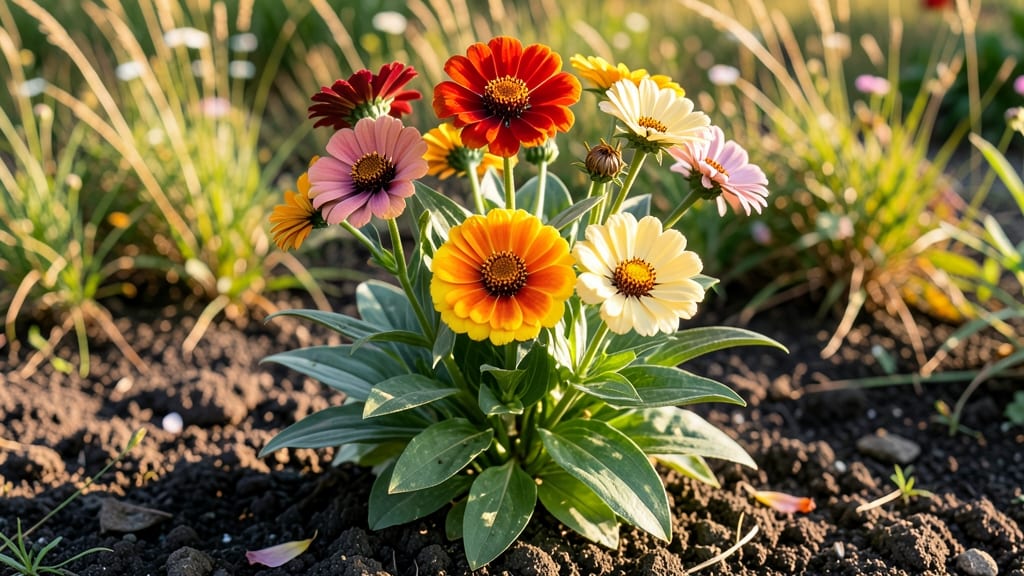
Zinnias are annuals in most climates, completing their lifecycle in one growing season, though some varieties may behave as short-lived perennials in frost-free regions where they self-seed prolifically. Cold temperatures trigger dieback, but their seeds often survive winter to regrow.
Zinnias thrive as annuals because they lack the cold hardiness to survive freezing temperatures, which causes their foliage to die back completely. 🌱 However, their seeds often remain dormant in the soil until spring, creating a natural renewal cycle.
In warmer climates without frost, some varieties may resprout year after year, mimicking perennial behavior. This self-seeding trait makes zinnias incredibly resilient garden plants.
What makes this interesting is how their growth patterns adapt to local conditions. For example, in USDA zones 8-10 where winters rarely drop below 20°F, zinnias can persist for multiple seasons if given consistent moisture and sunlight.
The key difference lies in whether the plant itself survives winter or relies on its seeds to restart the cycle.
💡 In This Article
- Why Zinnias Die Back in Winter: Climate and Cold Hardiness
- Extending Zinnia Lifespan: Self-Seeding and Perennial-Like Growth
Why zinnias die back in winter: climate and cold hardiness
Zinnias lack natural cold resistance because they evolved in warm, tropical regions of Mexico and Central America. Their foliage and stems contain high moisture content—typically 80-85%—which freezes and ruptures cell walls when exposed to temperatures below 28°F.
This is why even a light frost (32°F) causes the plant to wilt dramatically within hours, a process called cold acclimation failure. 🌡️ Unlike hardy perennials like coneflowers (which can tolerate -20°F), zinnias have no mechanism to produce protective sugars or antifreeze proteins in their tissues.
The key threshold is 20°F: below this, even dormant seeds risk viability loss. Most commercial zinnia varieties are bred for summer blooms, not winter survival, which explains why gardeners in zones 5-7 rarely see them return naturally.
The plant's energy focuses entirely on flowering and seed production during its single growing season, leaving no reserves for winter dormancy. This biological trade-off is why zinnias prioritize reproduction over longevity in cold climates.
What's fascinating is how this dieback actually benefits gardeners. When zinnias collapse in fall, their stems dry into upright seed towers that release 10,000-20,000 seeds per plant when disturbed by wind or birds. These seeds lie dormant until spring's soil temperatures reach 60°F, triggering germination.
This natural cycle creates the illusion of perennial behavior without the plant itself surviving winter. 🌱 The seeds' hard seed coat protects them from freezing, while their small size allows them to burrow just 1/4 inch deep—deep enough to avoid frost heave but shallow enough for quick spring emergence.
For comparison, consider how daylilies (true perennials) survive winter: they store carbohydrates in their rhizomes and produce antifreeze compounds. Zinnias do neither—their entire survival strategy depends on seed production.
This is why you'll see zinnias thriving as annuals in Boston but behaving like short-lived perennials in Phoenix, where winters rarely drop below 30°F and seeds can germinate year-round.
Even in marginal climates, you can observe this process: after a hard freeze, the green foliage turns brown and crispy within 24 hours, but if you scratch the soil surface in spring, you'll often find fresh zinnia seedlings emerging alongside last year's spent stems.
This resilience comes at a cost—the parent plant's energy was entirely devoted to creating these survival seeds rather than maintaining its own structure through winter.