
Light Requirements
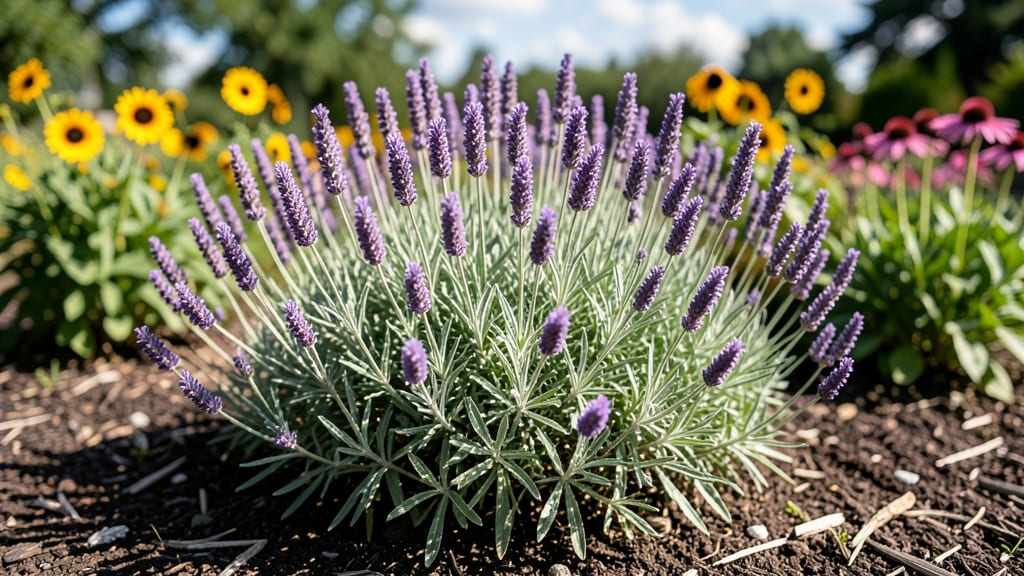
Full sun gardens don’t have to be high-maintenance deserts—these perennials turn blazing hot spots into showstoppers without begging for water or fussing over shade. 🌻 I’ve tested dozens over the years, and these 10 consistently deliver vibrant blooms, sturdy growth, and zero drama once established.
Think butterfly magnet daylilies, bold purple spikes of Russian sage, and golden waves of black-eyed Susans that keep flowering from June to frost.
The magic lies in their drought-tolerant roots and sun-loving genetics—plants like coneflowers and lavender thrive where others wilt, while sedum and salvia add texture and structure.
Most need well-draining soil and occasional deadheading (I swear by the "snip-and-go" method), but once planted, they’ll multiply and spread like wildfire—just where you want them. These aren’t just survivors; they’re design superstars that steal the show in borders, pollinator patches, or as dramatic focal points.
Picture this: deep purple cone flowers nodding in the breeze, sun-kissed yellow black-eyed Susans glowing against gravel paths, and silvery-blue lavender releasing its signature scent on warm afternoons. The best part? Low-maintenance care means more time admiring your garden and less time fretting over wilting leaves.
I’ve even included height pairings so you can layer plants for maximum impact—tall backdrops, mid-height accents, and spiller varieties to soften edges.
Whether you’re designing a pollinator paradise, a modern prairie border, or just filling in that sun-drenched corner, these perennials deliver year after year with minimal effort. Here’s how to pick the perfect mix for your space—no green thumb required.
📚 In This Guide
- What you need
- Instructions
- Tips and common mistakes
- Wrapping up and next steps
What you need
- ● Perennial Plants: 3–5 Echinacea (Coneflower) plants (perennial, zones 3–9)
- ● 3–5 Daylilies (Hemerocallis) (perennial, zones 3–10, choose heat-tolerant varieties)
- ● 3–5 Black-Eyed Susans (Rudbeckia) (perennial, zones 3–11)
- ● 3–5 Sedum (Stonecrop) (perennial, zones 3–11, drought-resistant)
- ● 3–5 Salvia (Perennial Sage) (perennial, zones 4–10, attracts pollinators)
- ● Soil Amendments: 5–10 lbs compost (per 10 sq ft of garden bed)
- ● 1–2 cups slow-release fertilizer (10-10-10 or organic options like bone meal)
- ● Garden lime (if soil pH is below 6.0, test kit recommended)
- ● Tools: Garden trowel (for transplanting)
- ● Hand pruners (sharp, sterilized)
- ● Garden gloves (to protect hands)
- ● Watering can or hose with adjustable nozzle
- ● Measuring tape (to space plants 12–36” apart, depending on variety)
- ● Mulch (2–3” layer of shredded bark or straw to retain moisture)
- ● Drip irrigation kit (for consistent watering in hot climates)
- ● Plant stakes or rings (to support taller perennials like Echinacea)
- ● Organic pest control (neem oil or insecticidal soap for aphids)
- ● Garden journal (to track plant growth and blooming cycles)
- ● Sunlight: At least 6–8 hours of direct sun per day (morning sun + afternoon shade works for heat-sensitive varieties).
- ● Well-draining soil: Amend clay soil with sand or perlite if needed (perennials hate soggy roots!).
- ● Water access: A consistent watering source (drought-tolerant perennials still need 1–2” of water weekly during establishment).
- ● Patience: Most perennials take 1–2 years to reach full bloom potential!
How to select and plant the best perennials for full sun gardens
These sun-loving plants deliver drama with minimal care—here’s how to choose and establish them for years of bold color.
🌿 Step 1: Choose Perennials That Excel in Full Sun
Focus on varieties with 6+ hours of direct sun daily and heat-tolerant foliage. Black-eyed Susan (Rudbeckia), coneflower (Echinacea), and daylily (Hemerocallis) are top performers—they thrive in USDA zones 3-9 and handle drought once established. I always check the plant tag for "full sun" labels and avoid varieties bred for shade.
For maximum impact, mix heights: place 3-4 foot tall coneflowers at the back, 2-foot black-eyed Susans in the middle, and 1-foot sedum or Russian sage (Perovskia) at the front. This creates natural layers that prevent leggy growth and improve air circulation—critical for preventing fungal diseases in hot climates.
🪴 Step 2: Prepare the Planting Site for Maximum Sun Exposure
Clear the area of weeds and loosen soil to a depth of 12 inches using a broadfork. Amend with 2-3 inches of compost mixed into the top 6 inches—this improves drainage while retaining moisture. I test soil pH first; most sun-loving perennials prefer 6.0-7.0, so I add lime if needed to raise the pH or sulfur to lower it.
For heavy clay soil, add 1/3 sand or perlite to improve aeration. If your site has poor drainage, consider raised beds—sun-loving perennials rot quickly when their roots sit in soggy soil. Mark planting locations with stakes to ensure proper spacing: 18-24 inches apart for most perennials, 3 feet apart for large clump-formers like peonies.
☀️ Step 3: Plant at the Right Depth and Water Deeply
Dig holes twice as wide as the root ball but only as deep as the container. Gently remove plants from their pots and tease apart any circling roots—this encourages outward growth. Place the plant so the top of the root ball sits just below soil level; burying the crown too deeply causes rot, while planting too high stresses the plant.
Backfill with native soil mixed with a handful of compost, then water deeply until moisture reaches 6 inches down. Mulch with 2-3 inches of shredded bark or straw, keeping it 3 inches away from stems to prevent rot. The mulch conserves moisture and regulates soil temperature—critical in full sun where evaporation happens fast.
✂️ Step 4: Maintain Through the First Growing Season
Water 1-2 times weekly during the first growing season, aiming for 1 inch of water per week. Let the top 2 inches of soil dry between waterings to encourage deep root growth. I always water in the early morning to reduce evaporation and fungal risks. Fertilize lightly with 5-10-5 granular fertilizer in early spring and again after flowering.
Deadhead spent blooms regularly to encourage more flowers and prevent seed formation. In late fall, cut back 1/3 of the plant height to reduce winter damage from heavy snow or ice. For perennials like coneflower and black-eyed Susan, this rejuvenates growth while protecting the crown from freezing temperatures.
🌱 Step 5: Plan for Long-Term Success and Expansion
After the first year, established perennials need minimal care beyond seasonal pruning and mulching. Divide clumps every 3-4 years in early spring to maintain vigor—look for plants that have outgrown their space or show reduced flowering. I dig up entire clumps, separate with a sharp spade, and replant sections in new areas or share with fellow gardeners.
Rotate plant locations every 5-7 years to prevent soil depletion and disease buildup. For example, move daylilies to a new spot if they show signs of stress like yellowing leaves or reduced blooms. This simple practice keeps your garden thriving with bold, healthy perennials for decades.
Tips & tricks for perfect full-sun perennial gardens
Here's what nobody tells you about making your sun-loving perennials truly thrive—these are the secrets that separate a good garden from a showstopper.
Sunlight Strategy: The 6+ hours of direct sun requirement is non-negotiable, but timing matters too. Early morning sun is gentler, while afternoon sun can scorch delicate foliage. I always position taller plants like coneflowers on the north side of the bed to provide natural shade for shorter varieties during peak afternoon heat. This layering creates microclimates that protect your plants while maximizing their sun exposure.
Soil Science: That 12-inch soil loosening in Step 2 isn't just about aeration—it's about creating a root-friendly environment. For clay-heavy soils, I mix in 1/3 sand or perlite right in the hole during planting, not just in the surrounding soil. This targeted approach prevents water pooling around roots while still maintaining moisture retention. Think of it as creating a custom root zone for each plant.
Planting Precision: When you're placing those 3-4 foot tall coneflowers at the back, remember this: their root balls should sit just below soil level, but their crowns (where stems meet roots) must never be buried. I use a small stick to mark the exact planting depth on the root ball before removing it from the pot—this visual guide prevents the common mistake of planting too deep, which causes rot. A quick visual check during planting saves hours of troubleshooting later.
Long-Term Care: The 3-4 year division schedule might seem like overkill, but trust me on this—it's the difference between a garden that fades and one that flourishes. I mark planting dates on my calendar and set reminders because many perennials show subtle signs of decline before they become obvious. Dividing every few years prevents overcrowding, which leads to reduced flowering and increased disease risk. It's like giving your plants a fresh start in their own space.
Pro Tips for Best Perennials In Full Sun
- Here's what nobody tells you about making your sun-loving perennials truly thrive—these are the secrets that separate a good garden from a showstopper.
- Sunlight Strategy: The 6+ hours of direct sun requirement is non-negotiable, but timing matters too.
- Soil Science: That 12-inch soil loosening in Step 2 isn't just about aeration—it's about creating a root-friendly environment.
Frequently asked questions
about the best perennials in full sun—because even the toughest plants need a little TLC!What if my garden gets too hot or dry?
Most full-sun perennials are drought-tolerant once established, but extreme heat can stress them. Lavender and Russian sage handle dry spells like pros, while black-eyed Susans appreciate occasional deep watering. Mulch with gravel or wood chips to retain moisture and shield roots.
When is the best time to plant perennials in full sun?
Spring (after the last frost) or early fall (4–6 weeks before the first frost) are ideal. Daylilies and coneflowers adapt well to both, but avoid planting in scorching summer heat—roots need time to settle before facing intense sun. Pro tip: Water deeply after planting!
Can I replace annuals with these perennials for year-round color?
Swap out sun-loving annuals like marigolds or petunias with salvia, yarrow, or blanket flower for perennial color. These thrive in full sun, bloom for months, and return stronger each year—no replanting needed. Win-win for low-maintenance gardens!
How do I keep pests away from my full-sun perennials?
Prevention is key! Roses and peonies may attract aphids, but neem oil or insecticidal soap works wonders. Lavender deters deer and rabbits naturally. For slugs, set out beer traps or handpick them at dusk. Healthy soil (rich in compost) also boosts plant resilience.
What’s a low-maintenance full-sun perennial for beginners?
Start with sedum (like ‘Autumn Joy’) or catmint—they’re nearly indestructible! Both require minimal water, spread easily, and bloom prolifically. Russian sage is another top pick: drought-proof, deer-resistant, and thrives with zero fuss.
Wrapping up and next steps
Transforming your sunny garden into a vibrant, low-maintenance paradise is easier than you think! The best perennials in full sun—like Black-Eyed Susans, Coneflowers, and Daylilies—bring bold color, resilience, and year-after-year beauty with minimal effort.
Whether you're a seasoned gardener or just starting, these tough, sun-loving plants are your secret weapon for effortless elegance.
Ready to dive in? Start small—pick one or two favorites, prep your soil, and watch your garden flourish! 🌻✨ Your next step? Grab your gloves, sketch a simple layout, and let these sunseekers do the rest. Happy planting!