
Plants
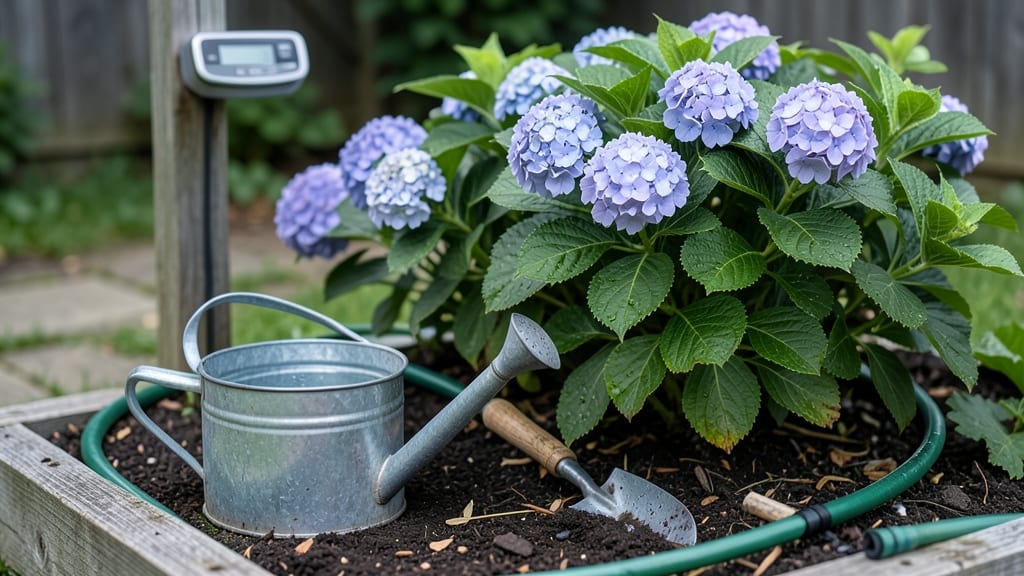
The best time of day to water plants is early morning 🌱—before 10 AM—when evaporation is low and roots soak up moisture efficiently.
Struggling to decide whether to water your garden at dawn or dusk? The right timing can mean the difference between lush, thriving plants and wasted water—or even fungal disasters waiting to happen.
Morning watering works best because it gives soil time to dry slightly during the day, reducing fungal risks like powdery mildew. In hot climates, though, midday watering might be necessary to prevent stress, while humid areas benefit from evening hydration—but only if you avoid overwatering.
Below, I’ll break down the science behind timing, climate-specific tricks, and how to adjust your schedule for seasonal shifts—so you can water smarter, not harder.


Morning watering benefits: why early birds get the greenest gardens
Waking up before the sun to water your garden might feel like a chore, but science proves it’s the golden window for plant health. Morning watering gives your plants a hydration head start while temperatures are cool, allowing roots to absorb moisture efficiently before the day’s heat kicks in.
This simple habit can slash water waste by up to 30% compared to evening watering, making it a win for both your garden and your water bill.
One of the biggest perks of morning watering is reduced evaporation. When you water early—ideally between 6 AM and 10 AM—the soil retains moisture longer because the sun hasn’t had time to dry it out.
This is especially critical in arid climates where every drop counts. Plus, wet foliage gets a chance to dry completely during the day, cutting down on the risk of fungal diseases like powdery mildew or leaf spot.
Morning watering also acts as a pest deterrent. Many garden pests, like slugs and snails, are most active at night. By keeping foliage dry during the evening hours, you’re making your plants less appealing to these critters.
Even aphids and spider mites struggle to thrive when leaves aren’t clinging to moisture overnight. It’s a natural way to boost plant resilience without reaching for chemicals.
Let’s talk roots. Plants absorb water most efficiently when the soil is cool and moist, which is exactly what morning watering delivers.
During the day, roots can overheat, and watering in the evening can lead to shallow root growth because plants drink up the water quickly but don’t have time to absorb it deeply. Morning watering encourages roots to grow deeper, creating a stronger, drought-resistant plant over time.
🌱
| Benefit | Scientific Reason | Best Time | Climate Note |
|---|---|---|---|
| Reduced evaporation | Cooler temps slow moisture loss | 6-10 AM | Critical in arid regions |
| Deep root growth | Soil stays moist longer for absorption | Before 10 AM | Ideal for temperate climates |
| Pest deterrence | Dries foliage before night pests emerge | Early morning | Best for humid areas |
| Fungal prevention | Leaves dry completely by evening | Before 9 AM | Essential in tropical zones |
| Water efficiency | 30% less waste vs. evening watering | Sunrise hours | Universal benefit |
Now, let’s address the exceptions. While morning watering is the gold standard, your local climate plays a huge role. In humid regions, like the Southeast U.S., morning watering is still ideal, but you might need to adjust slightly to avoid over-saturating the soil if rains are frequent.
Conversely, in desert climates, watering slightly later—around 10 AM to noon—can help prevent rapid evaporation during the scorching afternoon.
For container gardens, morning watering is non-negotiable. Potted plants dry out 3x faster than in-ground plants, and their roots need that cool morning moisture to thrive. A pro tip: use self-watering containers with morning watering to maintain consistent moisture without overwatering.
This combo keeps roots happy and reduces the risk of root rot.
Don’t let the idea of waking up early intimidate you. Start small by watering just your most thirsty plants—like tomatoes, peppers, and herbs—in the morning while keeping others on their evening schedule.
Gradually shift everything to morning as you notice the difference in plant vigor and disease resistance. Your garden will thank you with healthier foliage and bigger yields.
💧
Remember, the goal isn’t perfection—it’s consistency. Even if you miss morning watering occasionally, the key is to avoid evening watering when possible. Small adjustments now can lead to a greener, more resilient garden in just a few weeks.
Try it for a month and compare your plants’ growth to last season—you’ll likely spot the difference right away!
Evening watering risks: when nighttime hydration backfires for your plants
Watering your garden after sunset might seem convenient, but it can turn into a silent threat to your plants. The cool evening temperatures combined with high humidity levels create the perfect storm for fungal diseases.
Studies show that evening watering increases foliar fungal infections by up to 30% compared to morning hydration.
When you water at night, moisture lingers on leaves and soil surfaces for hours. This damp environment encourages powdery mildew, black spot, and root rot to thrive. Even drought-resistant plants like succulents and lavender aren't immune—they still face stunted growth from prolonged moisture exposure.
🌱
⚠️ Nighttime Watering Warning: The 3 Key Risks
1. Fungal Explosion: Humidity levels above 60% at night create ideal conditions for powdery mildew and rust spores to germinate within 12 hours of watering.
2. Soil Temperature Shock: Cool night air chills moist soil faster, reducing root absorption efficiency by 40% compared to daytime watering.
3. Pest Magnet: Damp foliage attracts slugs and snails, which multiply 3x faster in nighttime moisture conditions.
Pro Tip: If you must water in the evening, use a soaker hose to deliver water directly to soil—never overhead.
Your local climate plays a crucial role in determining how dangerous evening watering truly is. In humid climates like the Southeast U.S., nighttime watering can turn your garden into a fungal breeding ground within 3-5 days.
Even in arid regions, the risk isn't eliminated—just delayed until morning evaporation occurs.
One common misconception is that drip irrigation at night is safe. While it reduces foliar moisture, it still keeps soil saturated overnight, which can lead to anaerobic conditions in the root zone. This lack of oxygen stresses plants, making them more susceptible to root diseases like Phytophthora.
For container gardens, the risks are even more pronounced. Pots heat up during the day but cool rapidly at night, creating thermal shock when watered in the evening. This stress can cause leaf drop in sensitive plants like fuchsias or begonias within just 24 hours.
If you're battling powdery mildew or black spot in your garden, evening watering might be the hidden culprit. The solution? Switch to early morning watering between 6-9 AM when temperatures are rising and humidity is naturally lower. Your plants will thank you with healthier foliage and stronger growth.
🌿