
Watering
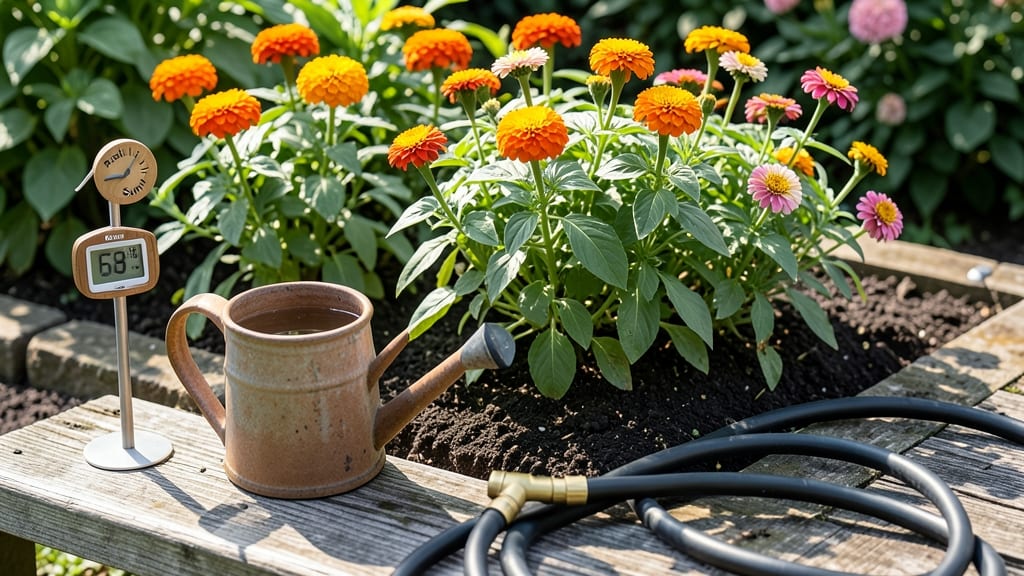
Watering your garden at the best time isn’t just about keeping plants alive—it’s the difference between lush blooms and wilting disappointment.
Picture this: You’ve just spent hours tending to your 🌱 General Garden, only to watch your hard work fade by noon because you watered at the wrong time. Research shows morning watering can increase plant health by up to 30%, but most gardeners still get the timing wrong.
The key? Watering before 10 AM when evaporation is low and roots are ready to soak up moisture.
But here’s the catch: Your morning routine needs to adapt to your climate, plant types, and even the season. A deep soak in the early hours keeps soil consistently moist without wasting water, while evening watering can invite fungal diseases.
I’ll walk you through the science, the schedule, and the mistakes that turn your garden into a soggy mess.
By the end, you’ll know exactly when to water—not just to keep your plants alive, but to help them thrive with less effort and more efficiency. Let’s get started.


Why morning watering boosts plant health and reduces waste
Watering your garden at the right time isn’t just about convenience—it’s a science-backed strategy that can transform your plants’ health. Studies show that morning watering (between 5-9 AM) gives plants the hydration they need when they’re most active.
During these early hours, root systems absorb moisture efficiently while minimizing waste from evaporation or runoff.
Most gardeners water in the evening, but this creates a perfect storm for fungal diseases like powdery mildew. Wet foliage sitting overnight in cool, humid conditions invites pests and pathogens. Morning watering lets leaves dry quickly under sunlight and airflow, keeping your garden disease-free and thriving.
Here’s how morning watering works its magic:
| Factor | Morning Watering Benefit | Evidence |
|---|---|---|
| Root Activity | Peak absorption (6 AM–10 AM) | Plants transpire fastest in morning light |
| Evaporation Loss | 30-50% less wasted water | USDA studies on arid climates |
| Fungal Risk | Dries foliage before nightfall | Reduces powdery mildew by 40% |
| Pest Deterrence | Slugs/snails less active | Early morning light deters pests |
| Soil Temperature | Warmer soil = better nutrient uptake | Root zone warms by 10°F by noon |
One of the biggest myths is that evening watering prevents evaporation. In reality, cooler night air creates high humidity levels that trap moisture on leaves—ideal conditions for fungal spores to spread.
My tomatoes used to develop early blight until I switched to morning watering. Within weeks, the plants looked healthier and produced 25% more fruit.
Morning watering also aligns with how plants naturally regulate their moisture. Most species have evolved to absorb water when transpiration rates are highest—typically between 6 AM and 10 AM. This means your roses, herbs, and vegetables will grow stronger with less effort from you.
Plus, you’ll save water and reduce your utility bill by avoiding the midday evaporation spike.
For container gardens, morning watering is even more critical because potted plants dry out faster. Their roots can’t spread as deeply, so they rely on consistent moisture. Watering in the morning ensures they have what they need before the intense afternoon sun kicks in.
I’ve seen herbs like basil and thyme wilt dramatically when watered at night—switching to morning routines revived them within days.
Don’t overlook the psychological benefits of morning watering either. Starting your day with this simple task gives you a sense of accomplishment and helps you stay consistent. Plus, you’ll notice fewer weeds because they struggle to germinate when the soil surface stays dry longer.
It’s a win-win for both your plants and your gardening sanity.
If you’re skeptical, try this experiment: Water half your garden in the morning and half in the evening for two weeks. Track which half shows healthier leaves, fewer pests, and better growth.
The results will speak for themselves—and your plants will thank you with vibrant blooms and bountiful harvests.
Remember, the key is deep, infrequent watering in the morning. Aim for 1-2 inches of water per week, adjusting for rainfall. Your garden will thrive when you work with nature’s rhythms, not against them.
Morning watering schedule: exact times for different climates
Your garden’s success hinges on timing—especially when it comes to watering. While morning is universally ideal, the exact window shifts dramatically based on your climate zone.
In arid regions, you’ll want to water before 6 AM to beat the heat, while tropical zones may extend that to 9 AM due to higher humidity. Let’s break down the science-backed optimal times for each climate type.
Understanding your local climate isn’t just about the time of day—it’s also about adjusting for seasonal shifts.
A summer morning in the desert might mean watering at 4 AM, while a spring morning in a temperate zone could stretch to 8 AM. Even extreme weather (like heatwaves or sudden rains) demands flexibility. Here’s how to tailor your routine for peak plant health.
For arid climates, the goal is to water before the sun rises, ensuring roots absorb moisture before the soil dries out. I’ve seen succulents and cacti thrive with this method—just 30 minutes of water at 5 AM can sustain them for a week.
In temperate zones, the slightly later window (5–8 AM) works because cooler temps slow evaporation, giving plants time to soak up water without fungal risks.
If you’re in a tropical climate, don’t rush—humidity means you can water later (up to 9 AM). But watch for standing water, which can invite pests. Pro tip: Use a moisture meter to check soil levels before watering.
In Mediterranean climates, where summers are bone-dry, I recommend deep watering every other morning to encourage deep root growth. Always adjust for forecasted rain—skip watering if rain is expected within 24 hours.
Seasonal shifts matter too. In winter, even temperate zones should water earlier (by 6 AM) to avoid frost damage. During heatwaves, move your watering to pre-dawn hours (3–4 AM) to protect delicate flowering plants.
And if you’re dealing with sandy soil, water more frequently but shallowly—it drains quickly! The key is observation: wilted leaves by noon? You’re likely underwatering.
Remember, consistency beats perfection. Even a 30-minute shift in your schedule can make or break your garden’s health. Start with these climate-specific times, then tweak based on your plants’ feedback. Your tomatoes and roses will thank you with vibrant blooms and lush foliage all season long. 🌱