
Flowers
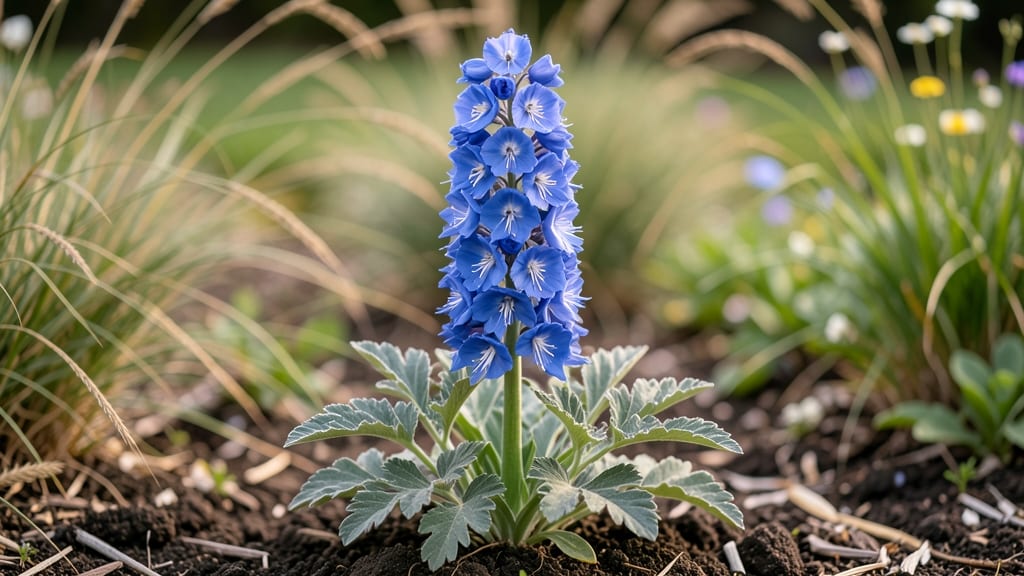
Blue-colored perennial flowers bring a cool, calming presence to gardens that lasts through winter freezes. 💙 I’ve designed borders with these tough beauties for years, and they never fail to deliver that signature pop of color—even when other plants fade.
The secret lies in choosing varieties that thrive in your hardiness zone, like Russian sage with its lavender-blue spikes or catmint with its airy, forget-me-not blooms.
These perennials aren’t just about color—they’re workhorses for pollinators too. Plant delphiniums in the back of borders for towering blue spikes that hummingbirds adore, or tuck salvia at the front for its velvety foliage and long bloom season.
Pair them with silver foliage plants like lamb’s ear or dusty miller to make the blue hues pop even more.
Once established, these perennials reward you with low-maintenance beauty that spreads naturally over time. Deadhead spent blooms to encourage more flowers, and mulch in fall to protect roots from harsh winters. The payoff? A garden that stays stunning from early spring through late fall, with minimal effort.
For containers, try blue fescue grass mixed with lobelia for a cascading effect, or create a pollinator magnet with blue flag iris and bee balm.
The key is layering textures and heights—let these perennials shine while keeping the design dynamic. Start small, and watch your garden transform into a cool-toned oasis.
📚 In This Guide
- What you need
- Instructions
- Tips and common mistakes
- Wrapping up and next steps
What you need
- ● Blue perennial flower seeds or nursery plants: 1–5 plants/seeds per variety (e.g., Delphinium, Salvia, Agapanthus, or Lavender)
- ● Cold-hardy varieties (check USDA zones for your area)
- ● Well-draining soil mix: 50% native soil + 30% compost + 20% perlite/sand (for heavy clay or rocky soil)
- ● pH 6.0–7.0 (most blues thrive in slightly acidic to neutral soil)
- ● Garden tools: Trowel (for planting)
- ● Garden gloves (to protect hands)
- ● Pruners (sharp, sterilized)
- ● Watering can or hose with adjustable nozzle
- ● Mulch: 2–3 inches of organic mulch (e.g., shredded bark or straw) to retain moisture and insulate roots
- ● Fertilizer: Slow-release granular fertilizer (10-10-10 ratio) or organic options like fish emulsion
- ● Support stakes: For tall perennials like Delphinium (3–4 ft stakes per plant)
- ● Drip irrigation system: Automates watering for busy gardeners
- ● Blue-toned companion plants: Pair with silver foliage (e.g., Artemisia) or yellow blooms for contrast
- ● Frost cloth: Lightweight fabric to protect young plants during late frosts
How to select and plant hardy blue perennial flowers
These frost-resistant beauties bring cool elegance to gardens year after year.
🌱 Step 1: Choose the Right Blue Perennials for Your Climate
Start with varieties proven to thrive in your hardiness zone. Delphiniums, salvia, and catmint tolerate cold snaps down to 10°F, while Russian sage and blue flag iris handle 5°F with ease. I always check the USDA zone range on seed packets—some blue perennials like lobelia prefer milder winters and struggle below 20°F. For northern gardens, opt for Siberian bugloss or blue fescue grass, which both handle sub-zero temperatures.
Look for plants labeled as "hardy" or "cold-tolerant" rather than just "perennial." The key is selecting varieties that stay dormant through winter but rebound quickly in spring. You'll know you've chosen wisely when the nursery stock shows strong, compact growth—not leggy stems that indicate heat stress during summer.
🪴 Step 2: Prepare Planting Sites with Well-Draining Soil
Blue perennials hate soggy roots, so amend heavy clay soil with 2-3 inches of compost mixed into the top 12 inches of soil. I always do a simple percolation test: Dig a 6-inch hole, fill it with water, then wait 30 minutes. If water remains, add sand or perlite to improve drainage. For containers, use a mix of 50% potting soil, 30% perlite, and 20% compost—this keeps roots aerated while holding moisture.
Most blue perennials prefer full sun (6+ hours daily), but some like catmint and lobelia tolerate partial shade (3-6 hours). Mark your planting spots with stakes before digging—blue flowers often need 18-24 inches of spacing to mature without crowding. Overcrowding leads to weak stems and faded blooms, which defeats the purpose of planting bold blues.
☀️ Step 3: Plant at the Right Time and Depth
Spring or early fall planting gives roots time to establish before extreme temperatures. Dig holes twice as wide as the root ball but only as deep—planting too deep buries the crown and causes rot. Gently loosen roots if they're circling tightly in the container, then place the plant so the top of the root ball sits just below soil level. Fill gaps with amended soil and tamp lightly to remove air pockets.
Water deeply right after planting to settle the soil, then mulch with 2-3 inches of shredded bark or straw to retain moisture and protect roots in winter. You'll see the first signs of success when new growth emerges within 2-3 weeks—look for sturdy stems with vibrant blue-green leaves. Avoid fertilizing immediately; new plants need time to adjust to their surroundings before feeding.
✂️ Step 4: Maintain Through Seasons for Continuous Bloom
Deadhead spent blooms regularly to encourage reblooming in varieties like salvia and catmint. I use clean pruners to snip just above the next set of leaves—this redirects energy to new growth rather than seed production. For delphiniums, cut back one-third of the tallest stems after the first flush of flowers to promote bushier second blooms. Never remove more than 30% of the plant at once, or you'll shock the roots.
Fertilize lightly in early spring with a balanced 10-10-10 formula, then again after the first bloom. Blue perennials often suffer from chlorosis (yellowing leaves) if soil pH drifts above 7.0—test your soil and amend with sulfur or peat moss if needed. Most blues thrive in slightly acidic to neutral soil (6.0-7.0 pH), so don't overdo lime applications.
⏰ Step 5: Winterize for Next Year's Vibrant Display
Before the first hard frost, cut back woody stems of perennials like Russian sage to 6 inches tall, but leave basal foliage on hardy varieties like catmint. Mulch heavily with 4-6 inches of straw or leaves to insulate roots—this prevents freeze-thaw cycles that heave plants out of the ground. In zones below 15°F, wrap tender perennials like lobelia with burlap for extra protection.
Water deeply before the ground freezes to keep roots hydrated through dormancy. You'll know winter care worked when shoots emerge 2-3 weeks before last frost—look for bright green leaves signaling successful overwintering. Avoid early spring pruning; wait until new growth appears to identify which stems survived the cold.
Tips & tricks for perfect blue perennial plantings
Here's what nobody tells you about making your blue perennials truly thrive—these are the details that separate good from spectacular.
Climate Selection: When choosing varieties for your zone, pay attention to the USDA hardiness zone labels on plants, not just the general "perennial" classification. For example, Siberian bugloss thrives in zones where lobelia might fail—both are blue, but their cold tolerance differs dramatically. I always cross-reference my zone with the plant's minimum temperature rating to avoid disappointment. The 10°F threshold isn't just a number; it's the difference between winter survival and spring replanting.
Soil Test Tip: Before amending your soil, conduct a simple pH test using a kit from your local garden center. Most blue perennials prefer 6.0-7.0 pH, but some like delphiniums actually prefer slightly acidic soil (6.0-6.5). If your soil tests above 7.0, you'll need to add sulfur or peat moss to adjust it—this prevents chlorosis (yellowing leaves) that ruins the vibrant blue hues we're after. I test my soil every 3 years to catch gradual shifts.
Planting Depth Visual: When placing your plants in Step 3, use a simple visual trick: The top of the root ball should sit at the same level as it did in the container, with just the soil line visible. I always draw a line on my shovel with a marker to match the container's soil level—this prevents the common mistake of burying the crown too deep. Too-deep planting causes rot, while too-shallow planting exposes roots to temperature swings.
Mulching Strategy: The 2-3 inches of mulch after planting isn't just for looks—it's a critical moisture and temperature buffer. I use shredded bark in spring/fall and switch to 4-6 inches of straw for winter protection. The extra thickness in winter prevents freeze-thaw cycles that can heave plants out of the ground. Plus, the mulch breaks down slowly, adding organic matter to your soil over time.
Pro Tips for Blue Colored Perennial Flowers
- Here's what nobody tells you about making your blue perennials truly thrive—these are the details that separate good from spectacular.
- Climate Selection: When choosing varieties for your zone, pay attention to the USDA hardiness zone labels on plants, not just the general "perennial" classification.
- Soil Test Tip: Before amending your soil, conduct a simple pH test using a kit from your local garden center.
Frequently asked questions
Got questions about keeping your blue perennial blooms thriving? Here are some of the most common ones—and their easy answers!
What’s the easiest blue perennial to grow for beginners?
Delphiniums and Salvia are top picks! Both handle cooler climates well and pack vibrant blue hues. For low-maintenance options, try Russian sage—it’s drought-tolerant and thrives in full sun. Just ensure well-draining soil to avoid root rot.
Can blue perennials survive winter freezes?
Most hardy blue perennials (like blue flag iris or catmint) tolerate light freezes down to 10–20°F. Mulch with straw or shredded leaves in late fall to protect roots. Evergreen varieties (e.g., heather) stay colorful even in snow!
How do I extend blue flower blooms all season?
Deadhead spent blooms regularly to encourage reblooming. For hydrangeas or balloon flowers, fertilize lightly in spring with a balanced 10-10-10 mix. Water deeply but infrequently—overwatering can shorten their lifespan.
What’s a great blue perennial alternative if my soil is too alkaline?
If your soil pH is high (above 7.0), try blue flax or blue mistflower. Both adapt well and add striking color. For ground cover, creeping phlox thrives in alkaline conditions and blooms early spring to summer.
Why are my blue perennials turning yellow or wilting?
Yellowing leaves often signal overwatering or nutrient deficiency (add iron or compost). Wilting? Check for powdery mildew (common in humid climates) or pests like aphids. Improve airflow by spacing plants 12–18 inches apart.
Wrapping up and next steps
From delicate lavender to vibrant delphiniums, blue perennial flowers bring a cool, calming charm to gardens year after year—even through frost! 🌸 Their hardiness, low-maintenance nature, and stunning hues make them a dream for any gardener.
Whether you're a beginner or a seasoned pro, these beauties are ready to transform your outdoor space with minimal effort.
Ready to dive in? Start small—pick one or two varieties, test your soil, and let nature do the rest. Soon, your garden will be a serene blue oasis that keeps giving back season after season!