
Watering
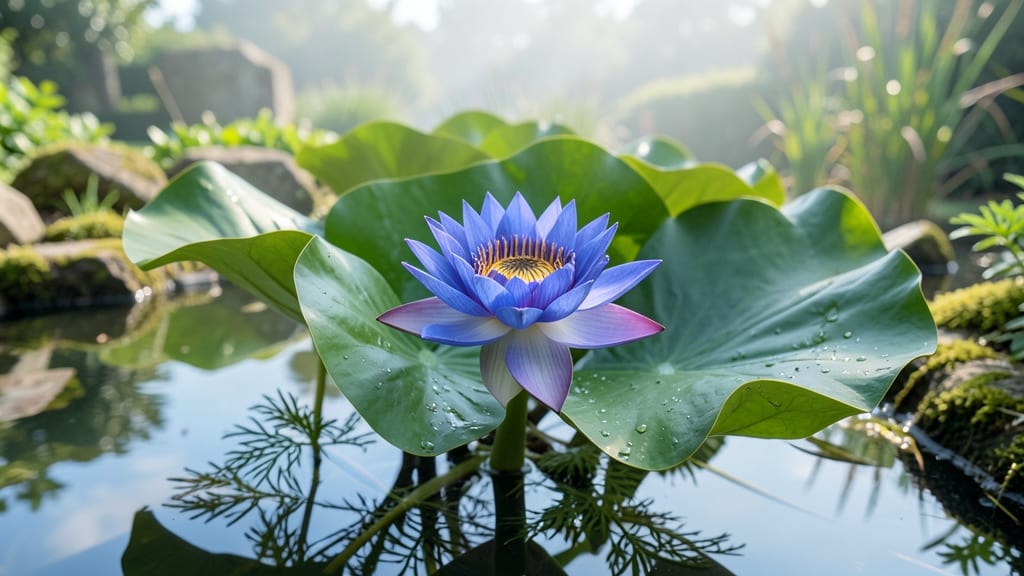
Blue Egyptian water lily tea delivers a refined floral-citrus taste with subtle earthy depth, crafted from the sacred Nymphaea caerulea petals. For the best infusion, use 1-2 teaspoons of dried flowers steeped in hot water for 5-7 minutes to unlock its aromatic qualities and gentle caffeine without bitterness.
The Nymphaea caerulea, also called blue lotus, has been revered for centuries in ancient Egyptian rituals and Ayurvedic traditions. 🌿 This tea's unique profile comes from its natural compounds—including aporphine alkaloids—which contribute to its calming properties while maintaining a bright, citrusy lift.
Many herbalists recommend sipping it in the late afternoon to enjoy its mild stimulant effects without disrupting sleep, making it a perfect transitional drink between day and night.
What sets this tea apart is its versatility—it can be enjoyed solo or blended with other herbs like chamomile for deeper relaxation or hibiscus for a fruity twist.
The key to preserving its delicate flavors lies in proper drying: petals should be harvested at peak bloom, then air-dried in a cool, dark place or dehydrated at low heat to maintain their vibrant properties.
When stored correctly, the dried flowers retain their potency for up to a year, ensuring you can enjoy this ancient elixir whenever you crave its soothing essence.
💡 In This Article
- Harvesting and Drying Blue Egyptian Water Lilies for Tea
- Flavor Pairings and Ritualistic Uses of Blue Lotus Tea
Harvesting and drying blue Egyptian water lilies for tea
The best time to harvest Nymphaea caerulea petals is during the early morning after the dew has evaporated but before the sun reaches peak intensity. This timing ensures the petals are fully open and contain the highest concentration of volatile oils that give the tea its signature floral-citrus aroma.
Experts recommend harvesting only the outer petals—these contain the most potent compounds, while inner petals tend to be more fibrous and less aromatic. Use a sharp, clean pair of scissors to avoid damaging the delicate tissue, which could lead to browning during drying.
Once harvested, petals can be dried using two methods: traditional sun-drying or a dehydrator. For sun-drying, lay the petals in a single layer on a mesh screen or clean cloth in a well-ventilated area, protected from direct sunlight to prevent color fading.
This process takes 3-5 days, depending on humidity levels. A dehydrator set to 95°F (35°C) speeds up drying to 6-8 hours, ensuring even moisture removal without compromising flavor. Over-drying at higher temperatures can turn petals brittle and diminish their aromatic oils, so consistency is key. 🌿
Proper storage is critical to preserving the tea's potency. Once fully dried, store the petals in an airtight container (glass jars work best) away from light and heat.
A cool, dark pantry or refrigerator shelf extends shelf life to 12 months while maintaining their vibrant blue hue and complex flavor profile. Humidity is the enemy—moisture accelerates mold growth, so include a small silica gel packet in the container to absorb any excess moisture.
When stored correctly, the dried petals will retain their delicate floral notes and subtle caffeine content.
What most people don't realize is that the drying method affects the final flavor profile. Sun-dried petals develop a slightly earthier taste due to natural oxidation, while dehydrator-dried petals retain a brighter, more citrus-forward character. For a balanced cup, many herbalists recommend using a mix of both drying methods.
Additionally, the petals should be stored whole until ready to use—crushing them prematurely releases essential oils too quickly, leading to a flat, less aromatic brew. 💫
To test if your petals are properly dried, gently squeeze one—it should crumble easily without leaving moisture. If they feel damp or sticky, continue drying for another 24 hours. The ideal dried petal should have a papery texture and a faint floral scent when gently crushed between fingers.
This level of dryness ensures optimal infusion when brewing, allowing the water to extract the full spectrum of flavors without bitterness.
For those harvesting wild blue lotus, always ensure the plants are grown in clean, pesticide-free environments. The Nymphaea caerulea absorbs contaminants from its water source, so only use petals from controlled cultivation or certified organic sources.
This precaution preserves both the tea's quality and your health, as some wild populations may contain trace metals or pollutants from their aquatic habitats. 🌊