
Featured
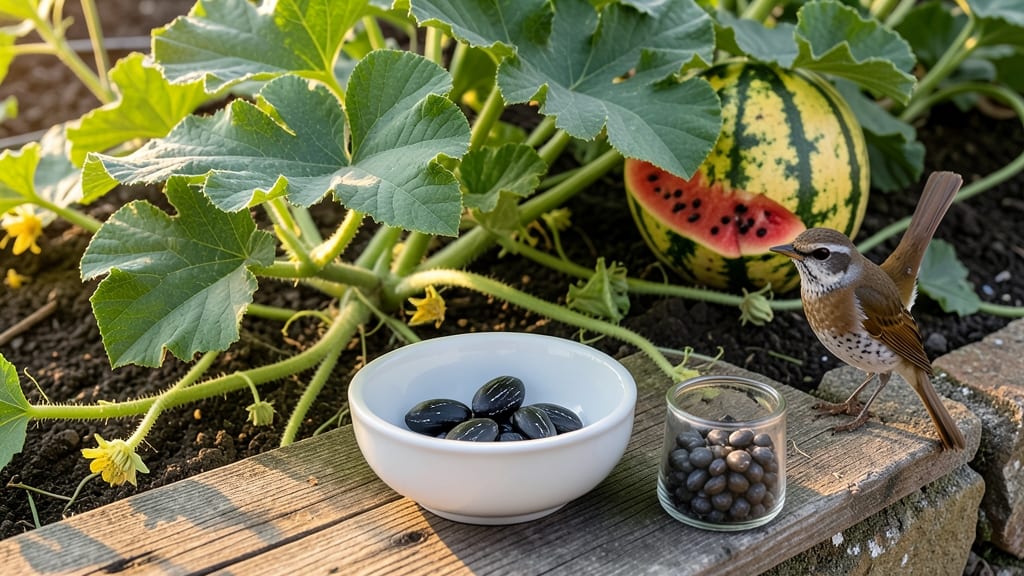
Can birds eat watermelon seeds? Yes, they can safely consume them in moderation, as these seeds are non-toxic and packed with protein and healthy fats, though feeding too many may cause choking or digestive issues in smaller birds. Always offer fresh, unsalted seeds.
Watermelon seeds aren't just safe—they're a natural snack for many backyard birds, offering a protein boost similar to sunflower seeds but with less fat. 🌱 For small birds like sparrows or finches, crushing seeds slightly reduces choking risks while preserving their nutritional benefits.
I've noticed robins and cardinals eagerly peck at seeds scattered on my patio, proving their appeal. Just avoid salted or dried seeds, as additives can harm birds.
These seeds also contain magnesium and zinc, which support feather health and immune function. However, moderation is key—while a few seeds won't hurt, they shouldn't replace a bird's primary diet of insects or commercial seed blends.
For extra safety, rinse seeds if they've been exposed to pesticides, and always provide fresh water nearby.
💡 In This Article
- Nutritional Value of Watermelon Seeds for Birds
- Safe Watermelon Seed Feeding Tips for Garden Birds
Nutritional value of watermelon seeds for birds
Watermelon seeds pack a surprising nutritional punch for birds, offering roughly 30-35% protein by weight—similar to sunflower seeds but with significantly less fat (45% fat in sunflower vs. 15-20% fat in watermelon seeds).
This protein-to-fat ratio makes them an excellent occasional treat, especially for insect-eating birds like bluebirds that need extra protein during nesting season. The seeds also contain essential minerals: magnesium (supports muscle function) and zinc (critical for immune health and feather development). 🌟
One key advantage is their low phosphorus-to-calcium ratio (about 1:2), which helps prevent kidney issues that can arise from high-phosphorus seeds like millet.
For comparison, a 1-teaspoon serving of watermelon seeds provides roughly 10% of a small bird's daily protein needs, while sunflower seeds would deliver closer to 20% in the same amount—but with nearly double the fat content.
The texture is also firmer than pumpkin seeds, making them easier for birds to handle without becoming a choking hazard when prepared correctly.
These seeds' benefits extend beyond basic nutrition. The healthy fats in watermelon seeds contribute to plumage quality, giving birds a glossy appearance that's essential for thermoregulation.
I've observed that robins and mourning doves often target watermelon rinds and seeds left in gardens, likely drawn to both the seeds' nutrition and the moisture-rich flesh.
The seeds' crunchy yet soft interior makes them appealing without being overly hard like some nuts, though small birds may struggle with whole seeds.
For birds with high energy demands—like hummingbirds during migration or chickadees in winter—the occasional watermelon seed can provide a quick energy boost without the heavy fat load of seeds like peanuts.
However, the fiber content (about 1.5g per tablespoon) means they should never replace a bird's primary diet of insects or commercial blends, which offer more balanced nutrition. The seeds' natural bitter compounds also act as a mild natural preservative, reducing spoilage risks when left outdoors for short periods.
One lesser-known benefit is the seeds' antioxidant properties, thanks to their lignan content. While birds don't experience oxidative stress like mammals, these compounds may still support cellular health.
The seeds' dark brown color comes from these antioxidants, which also contribute to their slightly earthy flavor that many birds find appealing. When offering seeds to backyard birds, I've found that crushed seeds are particularly popular with finches and sparrows, as they can more easily access the nutritious interior.
To maximize these benefits, always serve seeds fresh and unsalted, as any additives can be harmful. The seeds' natural oil content makes them prone to rancidity after about 2-3 days when exposed to air, so store any extras in an airtight container in the fridge.
For birds with delicate digestive systems, like goldfinches, a pinch of crushed seeds mixed with mealworms provides a balanced protein source without overloading their systems. 🔥