
Planting
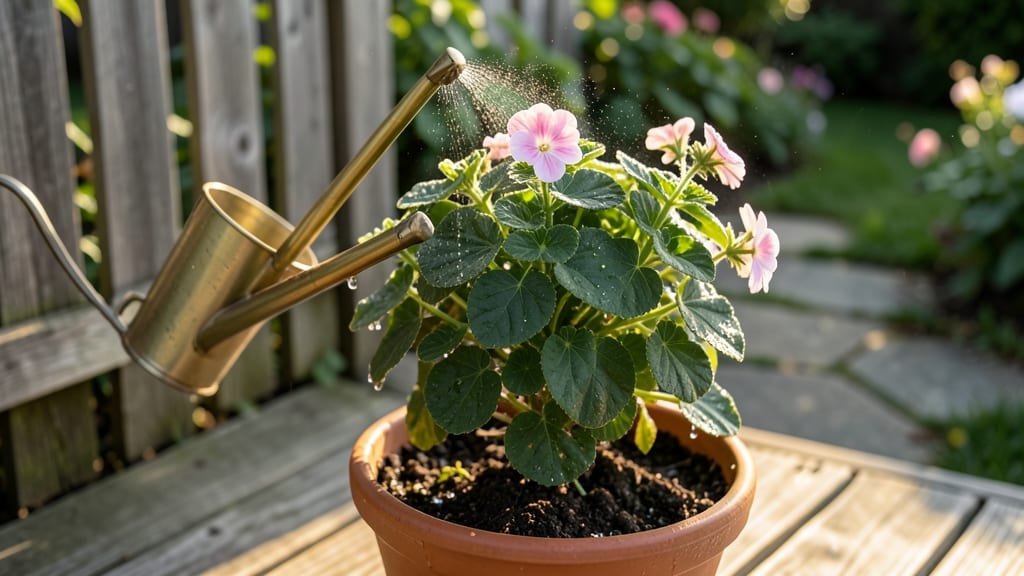
Watering your citronella plant correctly keeps it thriving and packed with that signature mosquito-repelling scent 🌿—the key to strong, healthy growth lies in consistency and timing.
Struggling to keep your citronella plants thriving? Proper watering is the secret weapon—too much or too little can mean the difference between lush, mosquito-repelling foliage and wilted disappointment.
Unlike drought-tolerant herbs, citronella needs consistently moist soil but hates soggy roots. I’ll walk you through exactly how often to water, whether you’re growing it in containers or in the ground, and how to spot the subtle signs of over- or under-watering before they become problems.
You’ll also discover the best times of day to water for maximum pest resistance and how seasonal shifts—like summer heat or winter chill—change your watering schedule. By the end, you’ll have a foolproof routine that keeps your citronella fragrant, vibrant, and productive all season long.

Optimal citronella plant watering schedule by season and climate
Citronella plants thrive when you match their watering needs to your local climate and seasonal changes. In tropical climates, these plants love humidity and consistent moisture, while temperate zones require careful balance to avoid drought stress or root rot.
Even dry climates can support citronella with the right adjustments—like deeper, less frequent watering. Let’s break down the ideal watering schedule so your plants stay lush, fragrant, and mosquito-repelling year-round.
Your citronella’s water needs shift dramatically between seasons. In spring and summer, when growth is rapid, you’ll water more frequently, but in fall and winter, you’ll dial it back to prevent soggy soil.
Containers dry out faster than in-ground plants, so pots need attention every 5-7 days, while garden beds can stretch watering to every 10-14 days. Let’s dive into the specifics for your climate zone.
| Season | Tropical Climate | Temperate Climate | Dry Climate |
|---|---|---|---|
| Spring | Every 5-7 days (deep soak) | Every 7-10 days (check soil) | Every 10-14 days (deep water) |
| Summer | Every 4-5 days (morning watering) | Every 5-7 days (drip irrigation best) | Every 7-10 days (mulch helps) |
| Fall | Every 7-10 days (reduce gradually) | Every 10-14 days (avoid wet leaves) | Every 14-21 days (deep water) |
| Winter | Every 10-14 days (minimal water) | Every 21-28 days (check soil deeply) | Every 28-35 days (only if dry) |
💧 Note: Adjust based on rainfall and pot size.
In tropical climates, where humidity is high and temperatures stay warm, citronella plants need frequent watering—think every 4-7 days in summer. The key is to keep the soil consistently moist but never waterlogged.
Use your finger to check the top 1-2 inches of soil; if it feels dry, it’s time to water. Mulching helps retain moisture and keeps roots cool, which is especially helpful in the intense heat of summer.
For temperate climates, where seasons bring cooler temperatures and occasional rainfall, adjust your watering schedule to match. In spring and fall, water every 7-10 days, while summer heat may require weekly watering.
Always water at the base of the plant to avoid wetting the leaves, which can lead to fungal issues like powdery mildew. Early morning is the best time to water, as it allows foliage to dry quickly and reduces the risk of pests.
If you live in a dry climate, citronella plants still thrive with the right care—just water less often but more deeply. Aim for every 10-14 days in summer, increasing the depth of each watering to encourage deep root growth.
Mulch heavily to lock in moisture, and consider using drip irrigation to deliver water slowly and directly to the roots. Container-grown citronella in dry climates may need watering every 5-7 days, as pots dry out much faster than garden beds.
Seasonal transitions are critical for citronella care. As summer fades into fall, gradually reduce watering to prepare the plant for dormancy. In winter, cut back even further—watering every 3-4 weeks is usually sufficient unless you’re in a tropical zone.
Overwatering in winter can lead to root rot, while underwatering may cause the plant to become stressed and less fragrant. Always check the soil before watering; if it’s still damp, wait a few more days.
One common mistake is assuming that more water equals healthier plants. Overwatering is just as damaging as underwatering, leading to yellowing leaves, wilting, and even death. To avoid this, always ensure your citronella has well-draining soil.
If you’re planting in containers, choose pots with drainage holes and use a mix of potting soil and perlite or sand. For in-ground plants, amend the soil with compost to improve drainage and aeration.
Pro tip: Use a moisture meter or the "finger test" to gauge soil moisture. Stick your finger about 1-2 inches into the soil—if it feels dry, it’s time to water. If it’s still moist, hold off for another day or two.
This simple check can save your citronella from both drought stress and waterlogged roots. Consistency is key; aim for a routine that keeps the soil evenly moist but never soggy.
Citronella plants reward attentive watering with stronger fragrance and more vigorous growth. When watered correctly, they’ll produce the citronella oil that naturally repels mosquitoes, making your garden a pest-free haven. Whether you’re in a humid tropical zone or a dry desert climate, adjusting your watering
Signs your citronella plant needs water (and how to fix it)
Your citronella plant communicates water needs through subtle but unmistakable signs. Yellowing leaves or crispy edges often signal dehydration, while drooping stems can mean either too much or too little water.
The key is learning to distinguish between underwatering and overwatering—both can cripple your plant's growth and mosquito-repelling abilities. Let's decode these signals so you can restore your plant to peak health.
First, check the soil moisture by sticking your finger about 1 inch deep. If it feels dry, your plant needs water immediately. For container-grown citronella, the soil dries faster than in-ground plants, so you may need to water every 5-7 days.
In contrast, in-ground plants typically require watering every 10-14 days, depending on rainfall and heat. Ignoring these cues often leads to root rot or stunted growth.
⚠️ callout warning ⚠️
Don't confuse wilting with thirst—both overwatering and underwatering cause it! Check the soil texture and leaf color:
- Underwatered: Dry, crispy leaf edges + yellowing between veins
- Overwatered: Yellow leaves (not crispy) + mushy stems + foul smell from soil
Fix it fast: Adjust your watering schedule and improve drainage with perlite or sand.
If your citronella leaves turn yellow but remain soft, you're likely overwatering. This creates anaerobic conditions in the soil, suffocating roots. To fix it, let the top 2 inches of soil dry out between waterings and ensure your pot has drainage holes.
For container plants, consider repotting into a terracotta pot, which wicks away excess moisture faster than plastic.
On the flip side, brown, crispy leaf edges scream underwatering. These edges appear papery and brittle, often curling inward. Immediately give your plant a deep soak—water until it drains from the bottom of the pot.
For in-ground plants, water slowly at the base to encourage root development rather than surface evaporation. Mulching with organic matter helps retain moisture and keeps roots cool.
Drooping stems are the most ambiguous signal, so combine them with other clues. If the soil is dry, water thoroughly and place the plant in bright, indirect light to recover. If the soil feels soggy, trim any mushy stems and repot in fresh, well-draining soil.
Pro tip: Citronella thrives in 60-70°F soil temperatures, so avoid watering when soil is too cold (below 55°F), as roots absorb water poorly.
To prevent future watering woes, monitor your plant's growth rate and adjust accordingly. A healthy citronella should grow 1-2 feet per year and produce fragrant leaves by midsummer. If growth stalls, reassess your watering routine—consistency is key.
Remember, citronella oil production peaks when plants are well-watered but not waterlogged, so mastering this balance ensures your natural mosquito repellent works its best.