
Pests
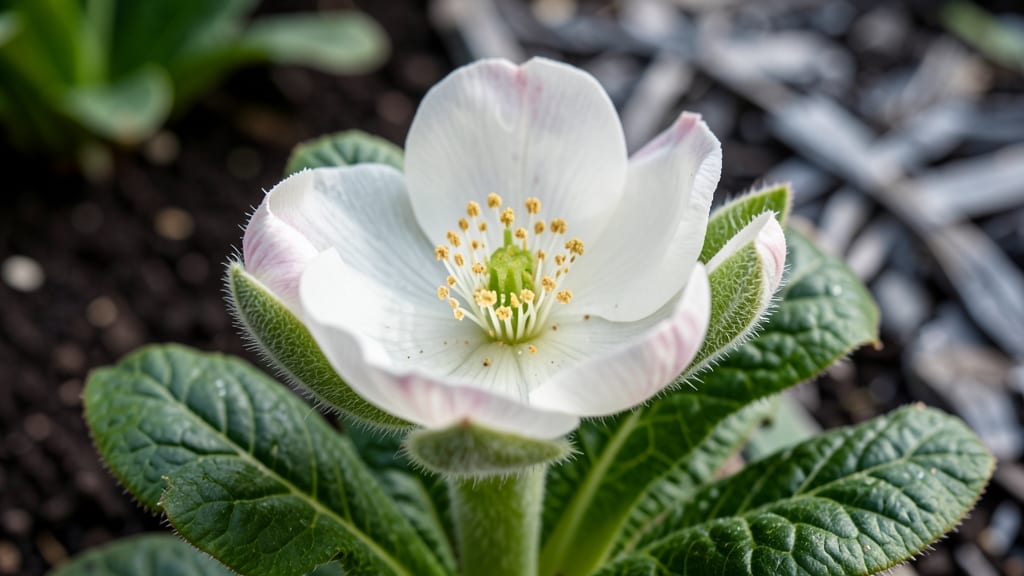
Deer-resistant perennial flowers are the secret weapon for gardeners who refuse to surrender to hungry critters. ✨ I’ve lost count of the times I planted annuals just to wake up to a buffet—until I discovered these tough, self-spreading beauties that thrive because deer ignore them.
The best part? Once established, they multiply naturally, saving you money and effort every year.
Think bold colors and textures that stand up to both wildlife and weather. Plants like black-eyed Susans, coneflowers, and Russian sage pack serious deer-deterring chemistry while delivering nonstop blooms from summer through fall.
They’re also low-maintenance, drought-tolerant, and perfect for pollinators—meaning your garden works harder for you than any fence ever could.
You’ll end up with a garden that’s lush, low-stress, and full of personality—no more replanting after deer raids. These perennials pair beautifully with shrubs like boxwood or lavender, creating layers that deer find unappealing. Plus, their deep roots mean fewer weeds and better soil over time.
Works in full sun or partial shade, from cottage gardens to modern landscapes. Whether you’re in a suburban yard or rural acreage, these plants adapt while keeping your blooms—and your sanity—intact. Let’s get planting!
📚 In This Guide
- What you need
- Instructions
- Tips and common mistakes
- Wrapping up and next steps
What you need
- ● Deer-resistant perennial flowers: Choose from proven varieties like coneflowers (Echinacea), black-eyed Susans (Rudbeckia), bee balm (Monarda), or blanket flower (Gaillardia). Buy 3–5 plants per variety for a full, natural look.
- ● High-quality potting soil: 10–15 gallons (sterilized, well-draining mix with compost). Avoid cheap soil—it lacks nutrients and can attract pests!
- ● Organic mulch: 2–3 bags (shredded bark or straw) to retain moisture and deter deer.
- ● Fertilizer: Balanced, slow-release (10-10-10) or compost tea for organic options. Use ½ cup per plant at planting.
- ○ Drip irrigation or soaker hose: 50–100 feet (optional but highly recommended for consistent watering).
- ● Garden trowel or transplant spade (for digging holes 2–3x wider than the root ball).
- ● Pruning shears (for trimming dead foliage and shaping plants).
- ● Gloves (heavy-duty for handling mulch/soil).
- ● Watering can or hose with adjustable nozzle (for gentle watering after planting).
- ● Measuring tape (to space plants 12–24 inches apart, depending on variety).
- ● Sunlight assessment: Most deer-resistant perennials thrive in full sun (6+ hours/day). Test your garden’s light exposure for at least 24 hours before planting.
- ○ Soil test kit (optional but helpful): Check pH (aim for 6.0–7.0) and amend soil if needed (e.g., lime for acidic soil).
- ● Deer deterrent prep: Consider deer repellent sprays (like Liquid Fence) or physical barriers (e.g., tall fencing or prickly plants like Russian sage) for extra protection.
How to design a deer-resistant perennial flower garden
Here’s how I create a garden that thrives even when deer wander through—bold, fragrant, and self-sustaining.
🌱 Step 1: Choose the Right Deer-Resistant Perennials
Start with plants deer hate—their strong fragrance, fuzzy textures, or toxic compounds deter browsers. My top picks: black-eyed Susan (Rudbeckia), coneflower (Echinacea), bee balm (Monarda), and Russian sage (Perovskia). These multiply naturally each year, so you’ll see more blooms annually without replanting.
Check your hardiness zone—most deer-resistant perennials thrive in zones 3-9. For example, shasta daisy (Leucanthemum) handles cold winters, while salvia (Salvia nemorosa) prefers warmer climates. I always group plants by sun needs: full sun for coneflowers, partial shade for astilbe.
☀️ Step 2: Plan for Sunlight and Soil
Most deer-resistant perennials demand 6+ hours of direct sun daily. If your garden gets less, opt for shade-tolerant varieties like heuchera or hosta—though deer may still nibble these, they’re less appealing than tender new growth.
Amend your soil with compost to improve drainage—deer-resistant plants often struggle in soggy conditions. I mix in 1-2 inches of compost into the top 6 inches of soil before planting. Test your soil’s pH: most perennials prefer 6.0-7.0, but bluebeard (Caryopteris) thrives in slightly alkaline soil.
🪴 Step 3: Plant Strategically to Deter Deer
Place deer-resistant plants along property edges or near high-traffic areas where deer are most likely to browse. Use thorny barriers like barberry (Berberis) or roses as living fences—their prickles discourage deer from lingering.
Space plants 18-24 inches apart to allow airflow and reduce disease risk. I always plant in odd-numbered clusters (3, 5, or 7) for a natural, fuller look. Mulch with wood chips to suppress weeds and retain moisture—deer avoid mulched beds because the texture feels uninviting.
✂️ Step 4: Maintain with Pruning and Seasonal Care
Deadhead spent blooms in late summer to encourage a second flush of flowers. For bee balm and coneflower, I leave some seed heads for winter interest—deer ignore these mature stalks. In early spring, cut back Russian sage and salvia to 6 inches tall to stimulate fresh growth.
Fertilize lightly in early spring with a balanced 10-10-10 formula—too much nitrogen makes plants soft and palatable. I avoid synthetic fertilizers near water sources, as deer are drawn to lush, tender growth. Instead, I top-dress with aged compost every 2-3 years for slow-release nutrients.
💧 Step 5: Water Deeply but Infrequently
Establish new plants with 1 inch of water per week for the first two months, then taper to deep watering every 7-10 days. Deer are less likely to visit if the garden looks dry—they prefer moist, tender shoots. I water in early morning to reduce fungal diseases and let foliage dry quickly.
If your area experiences drought, mulch heavily (3-4 inches) to retain moisture. Deer-resistant perennials like lavender and yarrow handle dry spells better than most, but they’ll still reward you with bold blooms if cared for properly.
Tips & tricks for deer-resistant perennial gardens that thrive
Creating a garden that deer ignore isn't just about planting the right flowers—it's about understanding their behavior and creating an environment they'll avoid. Here are the secrets that'll keep your blooms safe and your garden flourishing.
Layer Your Defenses: Deer are less likely to linger when they encounter multiple deterrents. Combine fragrant perennials like bee balm with thorny barriers like barberry bushes. The strong scent of Russian sage alone might deter them, but adding physical obstacles creates a complete barrier. I've found that planting black-eyed Susan in clusters near property edges works best when paired with roses—the combination of scent and prickles is unbeatable.
Soil Science Matters: The 1-2 inches of compost you mix into the top 6 inches of soil isn't just about drainage—it's about creating a healthy ecosystem that makes plants less appealing to deer. Healthy plants with strong root systems are more resilient to browsing. For bluebeard which prefers slightly alkaline soil, I always test the pH first. A soil pH of 6.0-7.0 works for most perennials, but getting it right for your specific plants makes all the difference in their ability to thrive and deter deer.
Pruning for Protection: When you deadhead bee balm and coneflower in late summer, you're not just encouraging more blooms—you're removing tender new growth that deer find irresistible. Leave some seed heads for winter interest, but remove any leggy stems that might tempt browsers. The 6-inch spring pruning for Russian sage and salvia stimulates dense growth that deer find unappealing. This pruning strategy creates a bushier plant that's harder for deer to reach into.
Watering Strategy: The 1 inch of water per week during establishment isn't just about keeping plants alive—it's about creating a garden that doesn't look like an all-you-can-eat buffet to deer. Once established, the deep watering every 7-10 days creates a drier appearance that deer avoid. Water in the early morning to prevent fungal diseases, but also because deer are less likely to visit when your garden isn't glistening with fresh moisture. This subtle approach makes your garden less inviting to browsers while keeping your perennials healthy.
Pro Tips for Deer Resistant Perennial Flowers
- Creating a garden that deer ignore isn't just about planting the right flowers—it's about understanding their behavior and creating an environment they'll avoid.
- Layer Your Defenses: Deer are less likely to linger when they encounter multiple deterrents.
- Soil Science Matters: The 1-2 inches of compost you mix into the top 6 inches of soil isn't just about drainage—it's about creating a healthy ecosystem that makes plants less appealing to deer.
Frequently asked questions
Got questions about keeping deer away while enjoying stunning perennials? We’ve got answers!
What are the most deer-resistant perennials for my region?
Deer preferences vary by location, but coneflowers (Echinacea), black-eyed Susans (Rudbeckia), and lavender (Lavandula) are universally tough. For milder climates, try bee balm (Monarda) or Russian sage (Perovskia). Check your USDA Hardiness Zone for region-specific picks!
How long does it take for deer-resistant perennials to establish and bloom?
Most perennials take 1–2 years to fully establish and bloom. Plant in early spring for a head start! Lavender and salvia may bloom the first year, while coneflowers often wait until the second. Patience pays off with low-maintenance, deer-deterring blooms for years.
Can I mix deer-resistant perennials with other plants?
Pair deer-resistant stars like catmint (Nepeta) with deer-loved favorites (e.g., roses) as a buffer. Use thorny plants (barberry, roses) or aromatic herbs (rosemary, thyme) as natural deer deterrents. Just avoid planting hostas or peonies near your perennials—they’re deer magnets!
What if deer still eat my perennials?
Don’t panic! Try repellents (hot pepper spray), fencing (8 ft tall), or motion-activated sprinklers. Lavender’s strong scent and coneflower’s fuzzy leaves often discourage nibbling. If damage persists, swap in foxglove (Digitalis)—its milky sap deters deer naturally!
Are deer-resistant perennials expensive?
Not necessarily! Many thrive from $5–$15 per plant (e.g., black-eyed Susans). Bulk purchases or dividing established clumps (like daylilies) cut costs. Native perennials are often cheaper and support local ecosystems—win-win!
Wrapping up and next steps
Transforming your garden into a deer-resistant paradise doesn’t have to be complicated—with the right perennial flowers, you’ll enjoy low-maintenance, bold blooms that return year after year while keeping critters at bay! 🌸 From hardy coneflowers to fragrant lavender, these plants prove that beauty and resilience go hand in hand.
Ready to take the next step? Start small: pick 2-3 deer-resistant perennials that thrive in your climate, then expand your garden’s charm season by season. Your future self—and the local deer—will thank you! 🌿