
Plants
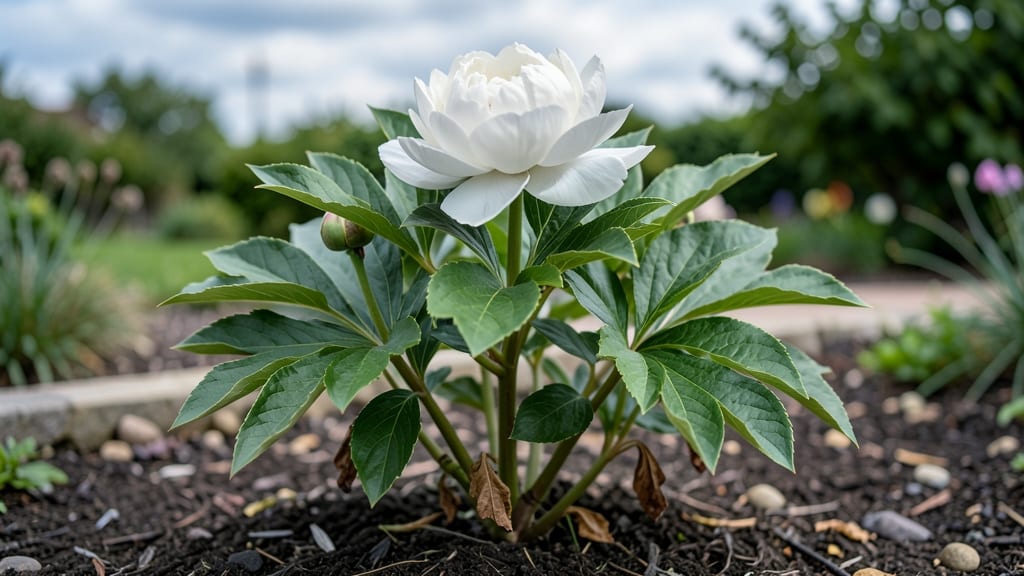
Yes, perennials come back every year because they store energy in underground roots, rhizomes, or tubers, allowing regrowth after winter dormancy—though some may appear dead before rebounding with new shoots in spring. Cold hardiness and care determine their return rate.
Perennials rely on their hidden energy reserves to push through seasonal challenges, making them the workhorses of any garden. 🌱 Unlike annuals that complete their life cycle in one season, perennials develop robust root systems that act like natural batteries, storing nutrients and moisture to fuel regrowth.
The timing of this revival varies by plant—some like peonies may show new growth as early as late winter, while others like hostas might wait until spring. What's fascinating is how these plants can appear completely lifeless during winter only to surprise you with vibrant foliage when conditions improve.
This resilience isn't automatic, though. Harsh winters, improper watering, or poor soil quality can weaken a perennial's ability to rebound. That's why gardeners often see dieback (temporary dormancy) versus true death—learning to distinguish between the two is key to maintaining your garden's health.
For example, a perennial that fails to regrow after two years of proper care might actually be dead, while one that just looks brown in winter could be waiting for warmer temperatures to spring back to life.
💡 In This Article
- How Perennial Plants Survive Winter Dormancy
- Signs Your Perennial Is Truly Dead vs. Just Dormant
How perennial plants survive winter dormancy
Perennials pull off their annual comeback through a clever biological trick: they store energy in specialized underground structures. These include roots (like those of daylilies), rhizomes (horizontal stems in irises), or tubers (such as dahlias).
During warm months, the plant converts sunlight into carbohydrates via photosynthesis, then transports these nutrients downward where they're stored as starches.
For example, a mature peony root system can store enough energy to sustain regrowth even after months of dormancy—some studies show peony roots can maintain 50% of their energy reserves through winter.
The regrowth trigger comes from temperature shifts. Most perennials wait until soil temperatures reach 45-55°F before sending up new shoots, though hardy varieties like coneflowers may start as early as 35°F soil temps. This delayed response protects tender new growth from late frosts.
The plant's meristem cells (growth centers) remain dormant until safe conditions return. Interestingly, some perennials like hostas actually supercool their cells—lowering internal temperatures below freezing without ice crystal formation—to survive subzero conditions. This is why your hosta might look completely dead in January but bounce back by April.
What sets perennials apart from annuals is their ability to compartmentalize damage. While above-ground stems may brown and die back, the underground storage organs remain protected.
For instance, a 3-inch diameter bearded iris rhizome can produce 5-10 new shoots in a single season, demonstrating how efficiently these plants convert stored energy into growth. This system explains why even neglected perennials often return—though their vigor may be reduced if energy reserves were depleted.
The key difference between dieback and true death lies in these storage organs. Dieback occurs when the plant sheds foliage but maintains viable roots/rhizomes, while true death means these underground structures have rotted or been killed by disease.
A simple soil check reveals the difference: gently dig down 2-3 inches in early spring—if you find firm, white roots, the plant is alive. Brown, mushy roots indicate death.
This is why gardeners often see hostas "die back" to the ground only to re-emerge later, while a truly dead perennial will show no signs of regrowth even after multiple growing seasons.
Cold hardiness plays a major role in this survival strategy. Perennials are classified by their USDA hardiness zones (e.g., zone 3 for hardy plants like coral bells, zone 7 for tender varieties like elephant ears).
The deeper the root system, the better the plant can insulate itself against freezing. For example, a 12-inch deep root system (like that of a mature daylily) can maintain 10°F warmer temperatures than surface soil, creating a microclimate that protects vital tissues.
This natural insulation explains why some perennials survive winters in zone 5 when others fail.
What most gardeners don't realize is that perennials often enter a second phase of dormancy in extreme conditions. After surviving winter, some plants may go dormant again during hot, dry periods—a phenomenon called summer dormancy.
This explains why your lavender might look brown in July but recover with fall rains. The plant's ability to time these dormancy periods based on environmental cues is what makes perennials so adaptable across different climates.