
Light Requirements
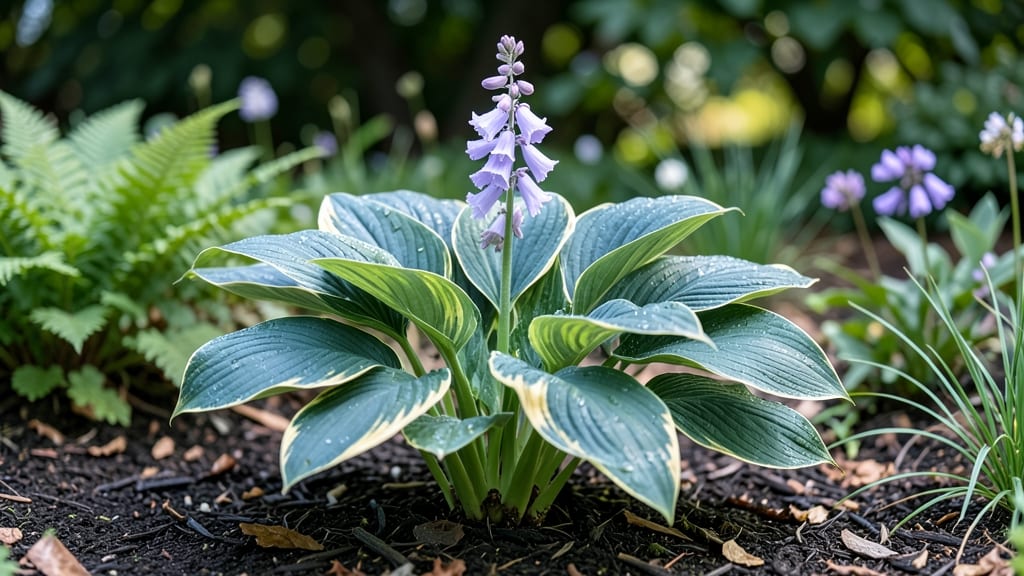
Full shade perennials are the secret weapon for turning dark corners into lush, vibrant spaces—without sacrificing beauty or resilience. 🌿 I’ve transformed my shady woodland garden into a year-round showpiece using cold-hardy plants that thrive where others fail, and the key isn’t just picking the right species—it’s understanding how they work together in low light.
The magic happens in the soil: rich, moist, and well-draining mixes with plenty of organic matter keep roots happy, while mulch locks in moisture and regulates temperature. My go-to list includes hostas for bold foliage, astilbes for feathery plumes, and heucheras that burst with color—all reblooming reliably even after frost.
These plants don’t just survive shade; they thrive in it, with some like bleeding hearts and Japanese painted ferns offering texture and movement that outshine sun-loving competitors. By late summer, you’ll have a garden that stays lush when others fade, with blooms appearing in waves instead of one big burst.
The foliage alone—deep greens, burgundies, and silvers—creates drama, while the reblooming varieties keep surprises coming until frost. And the best part? These perennials cut back on maintenance: less watering, fewer pests, and no deadheading needed for most varieties. Works in woodland gardens, north-facing yards, or under trees—anywhere sunlight struggles.
Here’s how to pick, plant, and layer them for maximum impact, plus the care routine that keeps them looking fresh all season.
📚 In This Guide
- What you need
- Instructions
- Tips and common mistakes
- Wrapping up and next steps
What you need
- ● Cold-hardy perennial plants: 3–5 varieties (e.g., Hosta, Astilbe, Heuchera, Lungwort, or Japanese Painted Fern). Choose reblooming types for year-round interest!
- ● High-quality potting soil: 2–3 bags (moisture-retentive, organic blend like Miracle-Gro Garden Soil or FoxFarm Ocean Forest).
- ● Mulch: 1–2 bags (shredded bark or pine straw to insulate roots in winter).
- ● Garden gloves & knee pads: 1 pair each (for comfort during planting).
- ● Hand trowel or transplant spade: 1 (for delicate root handling).
- ● Watering can or hose with gentle nozzle: 1 (avoid blasting roots!).
- ● Organic fertilizer: 1 (slow-release, like 10-10-10 or composted manure).
- ● Soil test kit: 1 (to check pH and nutrient levels—ideal range: 5.5–6.5 for most shade perennials).
- ● Slow-release watering system: 1 (e.g., Olla pots or drip irrigation for consistent moisture).
- ● Decorative rocks or edging: 1 bag (to define plant beds and deter weeds).
- ● Plant supports (stakes or rings):strong> 2–3 (for taller varieties like Astilbe or Cimicifuga).
Step-by-step guide to designing a thriving full-shade perennial garden
Here’s how to create a lush, cold-hardy perennial garden that blooms reliably year after year without direct sunlight.
🌱 Step 1: Select Cold-Resistant, Reblooming Perennials
Choose perennials rated for your hardiness zone that thrive in full shade (less than 3 hours of sun daily). My top picks include heuchera (coral bells), hostas, astilbes, bleeding hearts (dicentra), and ferns (matteuccia, dryopteris). These plants handle winter chill and deliver multiple bloom cycles. Check plant tags for cold tolerance—look for zones 3-7 for maximum reliability.
I always mix textures and heights: tall astilbes (2-3 feet) as backdrops, mounding hostas (1-2 feet) in midground, and low-growing heuchera (8-12 inches) at the front. This creates visual layers even when some plants are dormant. Avoid single-species planting—diversity prevents disease spread and extends the season.
🪴 Step 2: Prepare the Soil for Moisture Retention
Full-shade gardens need well-draining yet moisture-retentive soil. Amend native soil with 3-4 inches of compost and 20% perlite or coarse sand to improve aeration. Test pH—most shade perennials prefer 6.0-7.0. If your soil is heavy clay, dig in 2 inches of leaf mold to create a spongy, root-friendly environment.
I like to work in a 12-inch layer of mulch (shredded bark or wood chips) after planting. This mimics forest-floor conditions, keeping roots cool in summer and insulated in winter. Refresh mulch annually—it breaks down faster in shade than in sun. Water deeply after amending to settle the soil and eliminate air pockets.
☀️ Step 3: Plant with Layered Light and Airflow
Arrange plants so taller varieties face north to avoid shading shorter neighbors. Space perennials 18-24 inches apart—crowding leads to fungal issues in humid shade. Dig holes twice as wide as the root ball but no deeper. Gently loosen roots before placing plants in soil to encourage outward growth.
Here’s the trick: plant clumping varieties (like hostas) with their crowns slightly above soil level. This prevents rot in winter’s wet spells. Water immediately after planting to eliminate air gaps, then let the soil settle for 24 hours before resuming regular care. Avoid fertilizing for 6-8 weeks—new roots need time to establish.
💧 Step 4: Water Strategically for Seasonal Needs
Shade perennials need consistent moisture but hate soggy roots. Water deeply once weekly (or daily in extreme heat) until soil is 6-8 inches damp**. Use a moisture meter or dig down—dry soil at this depth signals it’s time to water again. Drip irrigation or soaker hoses work best; overhead watering encourages leaf diseases.
In winter, reduce watering unless your region experiences freeze-thaw cycles. Ice can damage tender leaves, so I avoid winter watering unless plants show signs of drought stress (yellowing, wilting). Mulch helps retain moisture naturally. If your area gets heavy rainfall, ensure containers or low spots have proper drainage to prevent root suffocation.
✂️ Step 5: Prune and Maintain for Year-Round Interest
Deadhead spent blooms on rebloomers like astilbes and heuchera to encourage second flushes. Cut back one-third of foliage in early spring (after new growth appears) to make space for fresh shoots. I never remove all old leaves—many perennials (like hostas) rely on them for winter protection and spring nutrients.
Divide clumping perennials every 3-4 years in early spring or fall. Dig up the plant, separate sections with a clean knife, and replant immediately. This rejuvenates growth and prevents overcrowding. Fertilize lightly in spring with balanced 10-10-10 or compost tea—shade plants are sensitive to overfeeding, which leads to leggy, weak stems.
Tips & tricks for perfect full-shade perennial gardens
Creating a thriving shade garden takes more than just planting—it's about understanding how these cold-resistant plants behave differently than sun-lovers. Here are the secrets that'll make your full-shade perennial garden truly exceptional.
Layering for Year-Round Interest: The key to visual appeal in shade gardens is creating depth through plant heights. Start with 2-3 foot astilbes at the back, then place 1-2 foot hostas in the middle, and finish with 8-12 inch heuchera at the front. This arrangement ensures every season has something interesting—even when some plants are dormant, the varying textures create movement. I always arrange taller varieties to face north to prevent them from casting shadows on shorter neighbors, which would create dead zones in your design.
Soil Science Matters: Don't just amend your soil—understand why. The 3-4 inches of compost we add isn't just for nutrients; it creates a sponge-like structure that holds moisture while allowing excess to drain. For clay soils, that extra 2 inches of leaf mold is crucial—it breaks up compaction while adding organic matter. I test pH before planting because shade perennials are particularly sensitive to acidic conditions below 6.0. A simple soil test kit costs less than $20 and can save you from years of struggling with yellowing leaves.
Planting Technique That Prevents Rot: The most overlooked detail in shade planting is crown height. When you're placing clumping varieties like hostas, make sure their crowns sit just above soil level—this simple adjustment prevents the classic shade garden problem of winter rot. I've seen beautiful hostas turn to mush in their first winter because they were planted too deeply. After planting, give the soil a thorough watering to eliminate air pockets, then wait the full 24 hours before resuming regular care. This settling period helps roots establish proper contact with the amended soil.
Watering Wisdom for Shade: The 6-8 inch deep watering guideline is non-negotiable for shade perennials, but here's what nobody tells you: morning is the only time to water overhead. If you water in the evening, those damp leaves stay wet all night—perfect conditions for fungal diseases. I use a moisture meter to check soil dampness because visual cues can be deceiving in shade. For containers, I make sure drainage holes are large enough to handle heavy rainfall, which can quickly suffocate roots in compacted soil.
Pro Tips for Full Shade Perennials
- Creating a thriving shade garden takes more than just planting—it's about understanding how these cold-resistant plants behave differently than sun-lovers.
- Layering for Year-Round Interest: The key to visual appeal in shade gardens is creating depth through plant heights.
- Soil Science Matters: Don't just amend your soil—understand why.
Frequently asked questions
Got questions about full shade perennials?
You’re not alone! Whether you’re a beginner gardener or a seasoned pro, these cold-hardy, reblooming plants can still raise a few doubts. Here are the answers to the most common queries—so you can confidently create a lush, low-maintenance shade garden that thrives year-round.
What are the easiest full shade perennials for beginners?
Start with Hosta, Heuchera (coral bells), or Astilbe—they’re forgiving, cold-resistant, and rebloom beautifully. For extra drama, try Lamium (dead nettle) or Bleeding Heart (Dicentra). These thrive in deep shade (less than 3 hours of sun) and handle poor soil better than fussy perennials.
How cold-hardy are full shade perennials, and do they survive winter?
Most full shade perennials are USDA Zones 3–8 hardy, meaning they’ll bounce back after winter’s chill. Hosta and Heuchera often die back to the ground but regrow vigorously in spring. Astilbe and Fern varieties may need mulch in Zone 3 for extra protection, but they’re generally low-maintenance.
Can I mix full shade perennials with shade-tolerant annuals?
Pair perennials like Impatiens (annual) or Begonia with Hosta or Ferns for a layered look. Just ensure annuals get at least 4–6 hours of indirect light—full shade perennials won’t compete for sunlight. Sweet woodruff or Lungwort also blend well with seasonal poppers.
Why are my full shade perennials dying or looking leggy?
Leggy growth or decline usually means too much light (even dappled sun can stress shade-lovers) or poor drainage. Check soil moisture—Hosta and Astilbe hate soggy roots. If leaves yellow, it could be fungal issues (like powdery mildew)—improve airflow by spacing plants 12–18 inches apart and avoid overhead watering.
Do full shade perennials rebloom, or should I expect one flush of flowers?
Many reblooming varieties exist! Astilbe (with deadheading), Bleeding Heart (some cultivars), and Japanese Forest Grass offer multiple blooms. For guaranteed reblooms, choose ‘Pink Chiffon’ Astilbe or ‘Strawberry Fields’ Hosta. Heuchera focuses on foliage but stays vibrant all season—so it’s a win either way!
Wrapping up and next steps
Transforming your shady garden into a vibrant, year-round retreat is easier than you think! 🌿 With the right full shade perennials, you can enjoy cold-resistant, reblooming beauty without the fuss.
These hardy plants thrive where others struggle, offering low-maintenance elegance and resilience—perfect for gardeners who love color and texture without the sunlight.
Now that you’re armed with the best options, it’s time to roll up your sleeves! Start by sketching your garden layout, then pick 2-3 perennials that complement your vision. Pro tip: Group plants with similar water needs together for effortless care.
Happy planting—your shade garden is about to bloom with confidence! ✨