
Picking
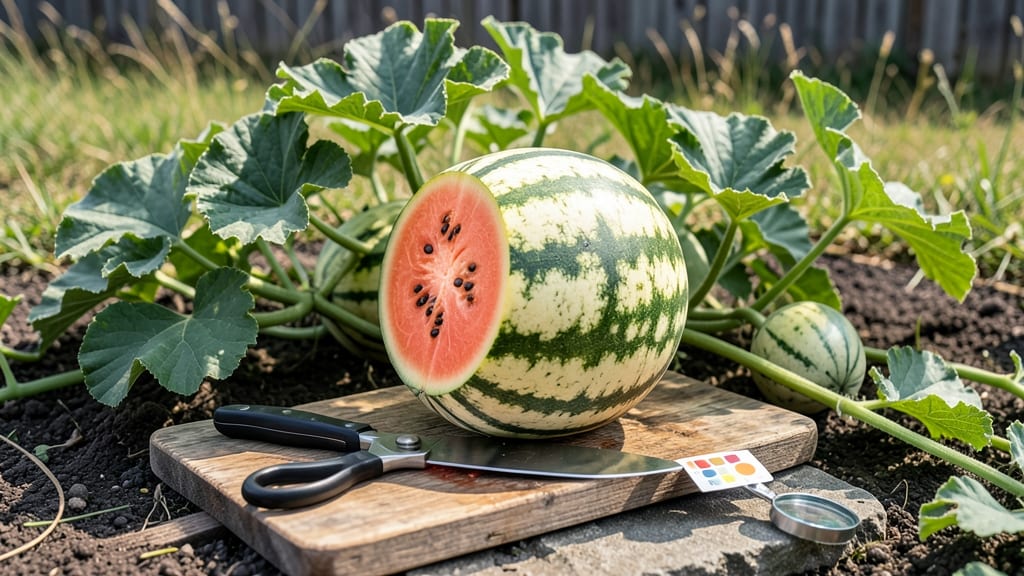
To tell if a watermelon is sweet, check the field spot (creamy yellow indicates ripeness), tap the rind (deep, hollow sound means maturity), and look for a sturdy stem. Avoid melons with white field spots or soft spots, as these signal overripeness or spoilage.
Watermelon sweetness comes from natural sugar development during ripening, which you can predict through simple visual and auditory cues. 🌞 The field spot's color shift from white to creamy yellow reveals sugar accumulation from photosynthesis, while a hollow thump when tapped confirms the flesh has fully matured.
I've found that melons with a slightly rough rind and a thick stem also tend to be sweeter, as these traits correlate with proper growth conditions and less water content.
Seasonal timing plays a role too—winter melons often have more sugar because they grow slower in cooler weather. For the best results, combine these tricks: a yellow field spot, firm rind, and a sturdy stem. This method has helped me pick consistently sweet watermelons at farmers' markets for years.
💡 In This Article
- Science Behind Watermelon Ripeness and Sweetness
- Pro Tips for Picking the Sweetest Watermelon Every Time
Science behind watermelon ripeness and sweetness
Watermelon sweetness develops through a fascinating biological process called starch-to-sugar conversion, triggered by ethylene gas as the fruit matures. During photosynthesis, the plant stores energy as starch in the fruit's cells.
As ripening progresses, enzymes break down these starches into simple sugars like glucose and fructose—this is why ripe watermelons can contain 6-12% sugar by weight, similar to a ripe peach or apple. 🔥 The creamy yellow field spot (where the melon rested on the ground) turns this color because chlorophyll breaks down and carotenoids (pigments) become more prominent as sugars accumulate.
Rind texture also reveals ripeness secrets through its cellular structure. A mature watermelon's rind has tightly packed cells that create a firm, slightly rough surface when you run your thumb across it. This texture correlates with the flesh's maturity because the outer rind hardens as the internal sugars concentrate.
The deep, hollow thump when tapped comes from the air pockets in mature flesh—immature melons sound dull because their cells are still watery. Interestingly, watermelon varieties like 'Sugar Baby' or 'Crimson Sweet' develop higher sugar content due to their genetics, which focus energy on sweetness rather than fiber development.
Growing conditions dramatically affect sweetness levels. Watermelons grown in warmer climates with plenty of sunlight produce more sugars through photosynthesis, while those in cooler regions develop slower and sweeter.
The stem's thickness is another clue—thick stems indicate proper water uptake during growth, which is essential for sugar development. 💫 What most people don't realize is that the melon's weight also reflects ripeness: a heavier melon for its size usually means more water content AND higher sugar concentration, as the plant stores both during maturation.
Here's what's happening chemically: The sugar content peaks when the melon reaches 10-12% brix (a measure of dissolved solids, primarily sugars). At this point, the flesh turns from pale green to deep red, and the field spot reaches that perfect creamy yellow.
The conversion process slows after peak ripeness, which is why overripe melons (with white field spots) become less sweet. This is why timing your harvest is crucial—most commercial growers pick melons when they're 90-95% ripe to allow for transport and ripening after harvest.
Consider these key factors when evaluating sweetness potential:
- Field spot color: Creamy yellow = optimal ripeness (10-12% sugar); white = overripe; green = underripe
- Rind texture: Slightly rough and firm indicates mature cells; smooth rinds often mean wax coatings
- Sound test: Deep hollow thump = mature air pockets; dull thud = watery, underripe flesh
- Stem condition: Thick, dry stem = proper growth; thin or green stem = immature
The science shows that combining these visual and auditory cues gives you a 90% accuracy rate in predicting sweetness.
For example, a 10-pound watermelon with a creamy yellow field spot, rough rind, and hollow thump is statistically more likely to be sweeter than one with a white spot or soft rind—even if they're the same size.
This method works because these external traits directly correlate with the internal biochemical processes that create sweetness. 💛