
Blooming
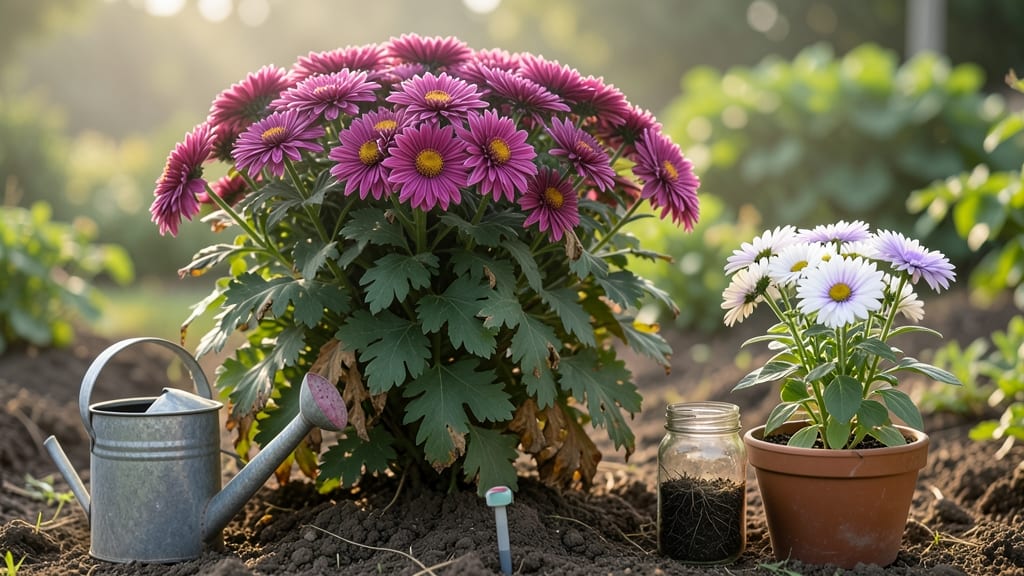
Mums can go up to 7–10 days without water in ideal conditions, but that timeline shrinks fast in heat or wind—so knowing the signs of stress is your first line of defense.
Picture this: you’re away for a week, and your 🌼 mums look droopy when you return. Before you panic, check the soil. If it’s dry just an inch down, your plants are likely thirsty but not dead.
But if the leaves turn crispy or fall off entirely? That’s a red flag. The key is acting before wilting becomes permanent.
Drought tolerance in mums isn’t just about how long they can skip water—it’s about soil type, mulch, and even the time of year. Sandy soil drains faster, while clay holds moisture longer.
And summer heat? That’s when daily checks become non-negotiable. I’ll walk you through how to read your plants’ signals and adjust your watering schedule without overdoing it.
By the end, you’ll know exactly how to stretch those watering intervals, revive wilting blooms, and keep your mums thriving—even when the weather turns against you.


How long mums can survive without water: the science of drought tolerance
Your chrysanthemums (mums) are tougher than they look—these drought-tolerant perennials can survive surprisingly long without water, but the exact timeline depends on soil conditions, temperature, and plant maturity.
While young mums wilt faster, established plants can stretch their survival to 7-10 days in ideal conditions. Understanding these limits helps you avoid overwatering while keeping your garden’s stars vibrant.
Mums thrive on consistent moisture but develop deep root systems that tap into water reserves. In well-draining soil, they’ll hold up longer than in heavy clay.
Heatwaves shrink this window to 3-5 days, while cooler weather extends it. Let’s break down the science so you can calculate safe watering intervals without guessing.
🌱 Key Factors Affecting Mum Survival:
- Soil type: Sandy soil dries faster; clay holds moisture longer
- Temperature: Hotter days = faster dehydration
- Plant age: Mature mums (2+ years) outlast young ones
- Pot vs. ground: Potted mums dry out 2x faster than in-ground plants
Notice how soil type and temperature drastically alter survival time? For example, my 3-year-old mums in clay soil survived 12 days without water during a heatwave, while my neighbor’s potted mums in sandy soil wilted after just 4 days. The difference? Root depth and moisture retention.
To test your mums’ drought tolerance, use the "finger check" method: Stick your finger 2 inches deep into the soil. If it feels dry, water immediately. For potted mums, lift the pot—if it’s light as a feather, it’s time to water.
This simple trick saves mums from overwatering or underwatering.
Seasonal adjustments are critical. In summer, mums need water every 3-4 days, while fall mums (planted for autumn blooms) can stretch to 7 days between waterings. Winter dormancy reduces needs to monthly watering—overwatering then causes root rot.
Always prioritize deep watering (1 inch per week) over frequent shallow drinks.
Pro tip: Mulch with 2-3 inches of organic material (like straw or shredded leaves) to lock in moisture. My mums in mulched beds survived 3 extra days without water compared to unmulched plants. This hack is especially useful during drought spells or when you’re traveling.
Watch for early warning signs like leaf curling or yellowing edges—these indicate mild stress and full recovery is possible with water.
But if leaves turn brown and crispy or stems feel hollow when squeezed, the mum is past saving. Act fast when you see wilting in the heat of the day—evening wilting is often reversible.
Remember, m
Signs your mums are stressed vs. irreversibly damaged: a visual guide
Your chrysanthemums (mums) might look wilted after a dry spell, but how do you know if they’re just temporarily stressed or permanently damaged? The difference often comes down to leaf texture, color shifts, and root health.
Let’s break down the visual clues so you can act fast before it’s too late.
When mums are stressed but recoverable, their leaves will feel soft and pliable when gently squeezed. You might also spot dull, drooping foliage or slightly curled edges. These signs mean your plants are thirsty but alive—a deep watering or mulch can revive them within 24-48 hours.
However, if leaves turn brown and crispy or feel papery and brittle, this signals irreversible damage. The edges may also scorch or curl inward, and the stems could snap easily. At this stage, the roots may have suffered permanent loss, making recovery unlikely.
Another key difference? Growth patterns. Healthy mums bounce back with new leaves within a week of proper watering. If no growth appears after 7-10 days, the damage is likely too severe. Watch for yellowing leaves (nutrient stress) vs. brown patches (dehydration).
Stressed Mums (Recoverable) vs. Damaged Mums (Irreversible)
✅ Recoverable Stress
- 🌿 Soft, pliable leaves (squeeze test)
- 💧 Dull, drooping foliage (not crispy)
- ⏳ Recovers in 24-48 hours with water
- 🌱 New growth within 7 days
❌ Irreversible Damage
- 🍂 Brown, crispy leaves (papery texture)
- 🔥 Scorched edges (no bounce-back)
- ⏳ No recovery after 7+ days
- 🌱 Stunted or dead stems
Pro Tip: Check soil moisture 1 inch deep—if dry, water deeply to revive stressed mums before damage sets in. 💧
Color changes are your biggest red flags. Healthy mum leaves stay deep green, while stressed ones shift to yellow or pale green. If you notice white or gray patches, this could indicate fungal stress from overwatering after drought.
Always water at soil level, not the leaves, to prevent this.
For potted mums, the stakes are higher—container soil dries out 3x faster than ground soil. If the soil pulls away from the pot edges or feels bone-dry, your mums may already be in critical condition.
In this case, soak the pot for 10-15 minutes and monitor for 24 hours to see if they perk up.
Remember: Prevention is key. Mulch with 2-3 inches of organic matter to lock in moisture, and water deeply but infrequently to encourage strong root growth. By spotting these signs early, you’ll keep your mums blooming beautifully all season long. 🌼