
Blooming
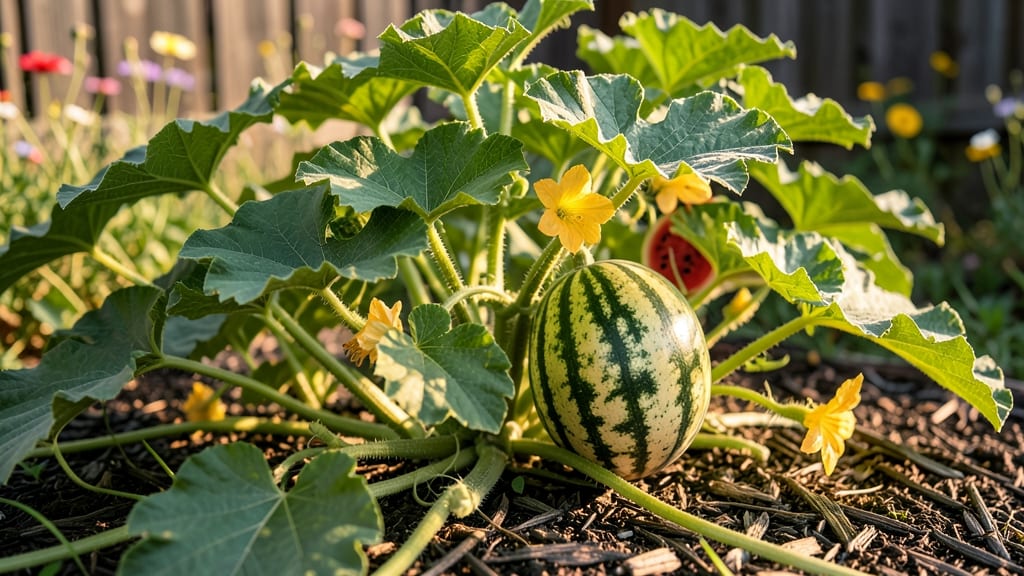
Watermelon lasts 1-2 weeks at room temperature when kept whole and uncut, while cut pieces typically stay fresh for 3-5 days when refrigerated. Overripe melons show soft spots and develop a fermented smell, while underripe ones stay hard and lack sweetness.
Understanding how long watermelon stays fresh depends on its ripeness stage and storage conditions. 🌱 Whole watermelons last longer because their rinds act as a natural barrier against moisture loss, while cutting them exposes flesh to air and bacteria.
I've found that storing cut pieces in airtight containers lined with paper towels extends their freshness by absorbing excess moisture. The summer heat accelerates spoilage, so keeping watermelons in a cool, shaded area is key when storing them outside the fridge.
For maximum longevity, look for melons with a slightly dull rind and a creamy yellow spot where they rested on the ground—these are signs of proper ripeness. Overripe melons develop mold and a sour odor, while underripe ones remain rock-hard and bland.
When in doubt, give it a gentle tap: a ripe watermelon produces a deep, hollow sound.
💡 In This Article
- Watermelon Shelf Life Factors: Ripeness, Storage Conditions, and Seasonal Variations
- Best Watermelon Storage Methods for Maximum Freshness
Watermelon shelf life factors: ripeness, storage conditions, and seasonal variations
Watermelon's shelf life hinges on its moisture content and skin integrity. Whole melons maintain freshness by retaining moisture through their thick rind, which acts like a natural barrier. Once cut, the flesh loses moisture rapidly due to transpiration—a process where water evaporates from exposed surfaces.
At room temperature, a whole watermelon can lose up to 10-15% of its weight in a week due to this evaporation, while cut pieces dry out even faster because of increased surface area.
The ripeness stage dramatically alters longevity. A fully ripe watermelon (with a creamy yellow spot and a hollow sound when tapped) stores best, lasting 1-2 weeks uncut. Underripe melons (hard, green rinds) last slightly longer but never soften or sweeten properly.
Overripe melons develop soft spots from enzymatic breakdown and ferment within 2-3 days due to yeast and bacterial growth. The ideal ripeness balance is key—too firm means wasted sweetness, too soft means wasted melon.
Seasonal variations play a surprising role. Summer watermelons (peak ripeness) spoil 20-30% faster than winter ones because higher humidity speeds up microbial growth. In dry climates, watermelons last longer outdoors, while humid conditions (like a basement) accelerate mold.
Temperature matters most: storing at 50-55°F (like a cool pantry) extends shelf life by 30% compared to warmer environments. This is why summer storage requires extra vigilance—heat turns watermelons mushy in days.
Humidity control is often overlooked but critical. Watermelons thrive in 50-60% humidity—too dry and they wilt, too damp and they rot. A simple paper towel wrap around cut pieces absorbs excess moisture, adding 1-2 extra days of freshness.
The science? Paper towels mimic the natural rind's moisture barrier while allowing airflow to prevent bacterial buildup. For whole melons, avoid plastic bags—they trap ethylene gas, a natural ripening agent that accelerates spoilage.
Light exposure also affects longevity. Watermelons stored in direct sunlight develop greenish rinds and bitter flavors faster due to chlorophyll production. Keep them in a shaded, well-ventilated area. In the fridge, place cut pieces on the top shelf (not the crisper drawer) to avoid temperature fluctuations.
The fridge's 40°F environment slows bacterial growth but can make watermelon mealy if stored too long—hence the 3-5 day limit for cut pieces.
Here's a quick ripeness checklist to maximize your melon's lifespan:
- Ripe: Creamy yellow spot, dull rind, hollow tap
- Underripe: Hard, green rind, high-pitched tap
- Overripe: Soft spots, fermented smell, mold
Pro tip: If your watermelon develops a sour odor or slimy texture, compost it immediately—these are signs of fermentation, not just "overripeness." 💫