
Watering
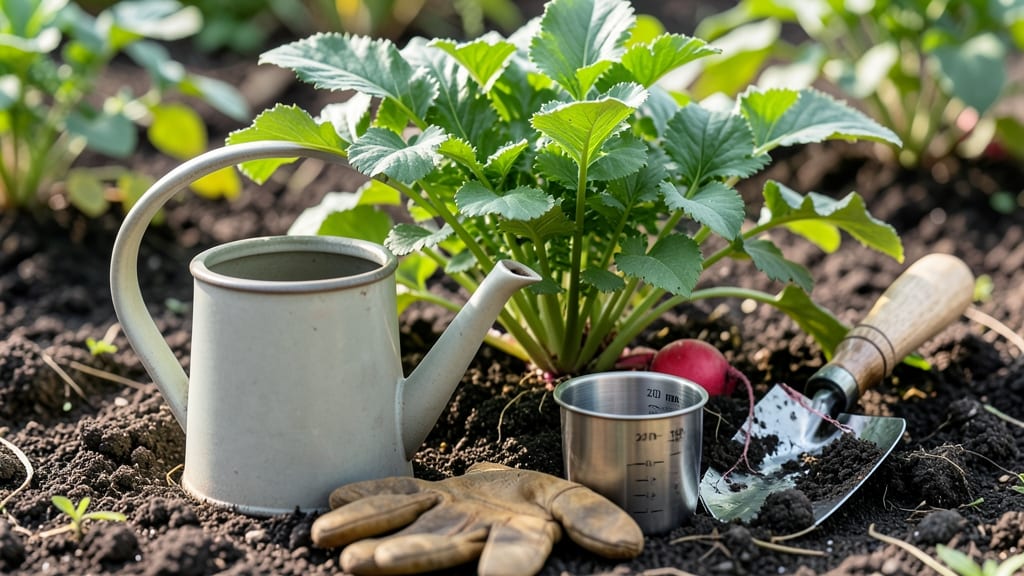
Radishes need about ½ inch of water every 2-3 days to grow fast and stay crisp—too much or too little, and you’ll sacrifice that sweet, snappy crunch.
Picture this: you’ve just planted your 🥕 seeds in early spring, dreaming of quick harvests, only to watch them bolt or develop woody centers. That’s the water balance talking—and getting it right is the difference between a fast, flavorful crop and a sad, pithy disappointment.
Here’s the secret: radishes thrive on consistent moisture, not soggy soil. They hate drying out but can’t handle standing water, which is why timing and method matter just as much as how much you pour. Too little, and they’ll shrivel; too much, and they’ll split or rot.
In this guide, I’ll break down exactly how often to water—from seedling to harvest—plus how to adjust for heatwaves, clay soil, or containers. No guesswork, just crisp, restaurant-quality radishes in record time.


Radish watering schedule by growth stage: from seed to harvest
Radishes thrive on consistent moisture, but their water needs shift dramatically from seed to harvest. Too little water leads to bitter, pithy roots, while overwatering causes cracked bulbs or bolting. The key?
Adjusting your watering routine at each growth stage while monitoring soil moisture like a pro. Let's break down exactly how much water radishes need—and when—to ensure you harvest crisp, sweet roots every time.
Newly planted radish seeds require gentle, frequent watering to keep soil evenly moist but not soggy. During the germination phase (days 1-7), aim for ¼ inch of water every 1-2 days. Use a spray bottle or fine mist to avoid disturbing the seeds.
Overwatering now can cause seed rot, while underwatering leads to poor germination rates. Think of this stage like nurturing a newborn—consistent care is critical for survival.
Once seedlings emerge (around day 7), they enter the leaf development phase, where they need ½ inch of water every 2-3 days. This is when radishes establish their foliage, and uneven watering can cause yellowing leaves or stunted growth.
Water deeply in the morning to allow foliage to dry slightly before evening, reducing fungal risks. Check soil moisture by pressing your finger 1 inch deep—it should feel damp, like a wrung-out sponge.
Here’s a quick reference for radish watering by growth stage, including soil moisture indicators to keep your crop thriving:
| Growth Stage | Water Amount | Frequency | Soil Moisture Check | Key Tips |
|---|---|---|---|---|
| Germination (Days 1-7) | ¼ inch | Every 1-2 days | Top ½ inch damp | Use spray bottle; avoid disturbing seeds |
| Leaf Development (Days 7-21) | ½ inch | Every 2-3 days | 1 inch deep damp | Water morning; avoid wetting leaves |
| Bulb Formation (Days 21-30) | ½-¾ inch | Every 1-2 days | Top 2 inches moist | Increase water; mulch to retain moisture |
| Harvest Ready (Days 30+) | ½ inch | Every 2-3 days | 1-2 inches damp | Reduce water; harvest before soil dries |
The bulb formation phase (days 21-30) is when radishes need the most attention. This is when their roots swell into the crisp bulbs we love, and they require ½ to ¾ inch of water every 1-2 days. Uneven moisture here leads to cracked radishes—a gardener’s worst nightmare.
To prevent this, water deeply in the morning and apply a 1-2 inch layer of mulch (straw or shredded leaves work well) to lock in moisture. Check soil moisture by pressing your finger 2 inches deep; it should feel consistently moist, like a damp sponge.
As radishes approach harvest (days 30+), slightly reduce watering to ½ inch every 2-3 days. Overwatering now can dilute flavor and cause bolting (when radishes flower prematurely). Harvest when roots reach ½ to 1 inch in diameter—any larger, and they’ll become tough and pithy.
Use a fork to gently loosen soil before pulling to avoid damaging the roots. The best time to harvest is on a cool morning after a light watering, when roots are firm and crisp.
Climate plays a huge role in radish watering. In hot, dry summers, radishes may need daily watering to prevent bolting, while cool springs or falls allow for slightly longer intervals between waterings.
Always adjust based on your local weather—if it hasn’t rained in 3-4 days, water deeply regardless of the schedule. A simple trick: place a clear jar in your garden bed to measure rainfall. If it’s less than ¼ inch, supplement with water.
One of the biggest mistakes gardeners make is watering radishes at night. Wet foliage overnight creates the perfect conditions for fungal diseases like powdery mildew. Always water in the early morning (before 10 AM) to give leaves time to dry. If you’re using a sprink
Signs your radishes are overwatered or underwatered (with fixes)
Radishes are quick growers, but they’re also extremely sensitive to water imbalances. Too much water causes rotting roots and mold, while too little leads to bitter, woody bulbs. Learn to spot these key visual cues before it’s too late.
Check your radish leaves first—they’re the first indicator of water stress. Yellowing between veins signals overwatering, while crispy, curled edges mean underwatering. The soil around your plants should feel like a wrung-out sponge—neither soggy nor bone-dry.
How Much Water Do Radishes Need?
Radishes thrive with ½ inch of water every 2-3 days in well-draining soil. Adjust in hot weather—water daily but lightly to avoid soggy soil. Morning watering prevents fungal diseases.
For underwatered radishes, wilting leaves and stunted growth appear first. Gently tug on a leaf—if it snaps easily, your plants are severely thirsty. Water deeply until moisture reaches 6 inches down in the soil.
Overwatered radishes develop mushy, hollow roots and blackened stems. The soil smells sour or rotten, and leaves turn yellow-brown. Stop watering immediately and amend the soil with compost to improve drainage.
To test soil moisture, stick your finger 1-2 inches deep. If it feels damp but not wet, you’re in the perfect zone. Use a moisture meter for accuracy, especially in containers where water evaporates faster.
Adjust your watering based on weather and soil type. Sandy soil drains fast—water more often but less deeply. Clay soil holds moisture longer—water every 4 days instead. Mulch with straw to lock in moisture without suffocating roots.