
Blooming
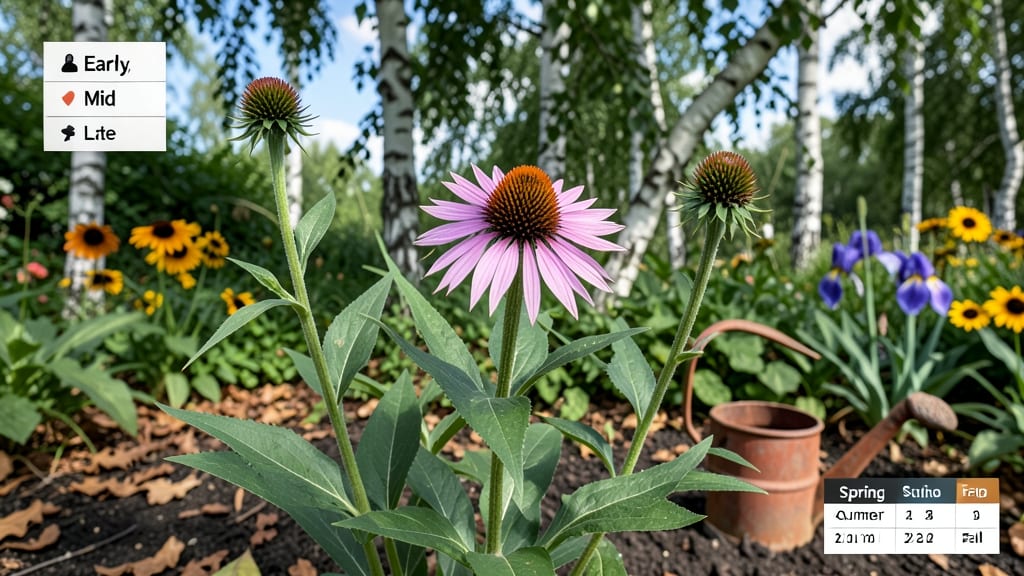
How often perennials bloom depends on the plant—some like peonies flower just once a year, while others such as coneflowers produce multiple blooms throughout the season. Their flowering patterns are shaped by species, local climate, and proper care, with many responding well to deadheading or strategic pruning.
Perennial bloom cycles aren't one-size-fits-all—each plant has its own rhythm based on genetics and growing conditions. 🌸 Some, like delphiniums, put all their energy into a single spectacular spring show, while others like bee balm reward gardeners with continuous color all summer long.
The key to extending bloom seasons often lies in understanding each plant's natural tendencies and providing the right support, whether that's consistent moisture or timely pruning to encourage new growth.
What's fascinating is how climate plays a role—cool-season perennials might bloom earlier in northern gardens than they do in warmer southern regions. I've seen daylilies that flower for weeks in my zone 6 garden, while the same variety in zone 9 might only put on a brief spring display.
This variability is why gardeners should always check specific plant profiles before planting, as bloom frequency can differ dramatically even between closely related species.
💡 In This Article
- Factors Influencing Perennial Bloom Frequency
- Top Perennials for Year-Round or Repeated Blooms
Factors influencing perennial bloom frequency
The primary driver behind a perennial's bloom frequency is its photoperiodism—how it responds to daylight length. Short-day plants (like chrysanthemums) need 12-14 hours of darkness to trigger flowering, while long-day plants (such as peonies) require 14+ hours of light to bloom.
Day-neutral varieties like zinnias ignore daylight length and flower continuously when conditions are right. This explains why some perennials bloom only once per year (spring/summer) while others produce multiple flushes.
Temperature also acts as a critical trigger. Many perennials need a period of cool dormancy (often 40-50°F for 6-8 weeks) to reset their biological clocks and prepare for next year's blooms.
For example, bearded iris typically blooms in early spring after winter chilling, while tropical perennials like cannas may only flower when nighttime temperatures stay above 65°F.
Soil moisture and fertility play supporting roles—drought-stressed plants conserve energy for survival rather than reproduction, while over-fertilized plants may produce lush foliage at the expense of flowers.
Light exposure determines where flowers form. Most perennials develop buds along the current season's growth (current season bloomers like daylilies) or on old wood from previous years (old wood bloomers like lilacs).
The former respond well to deadheading to encourage continuous flowering, while the latter may need strategic pruning to avoid cutting off next year's buds. For instance, pruning a lilac after it blooms removes potential next-year flowers, whereas deadheading a coneflower stimulates new stems to produce additional blooms.
Climate variations create dramatic differences in bloom timing. In cooler northern regions, perennials like black-eyed Susans may bloom from July through September, while in warmer southern climates, they might only flower in spring and fall to avoid summer heat stress.
Even within the same species, altitude affects bloom cycles—mountain gardens often see delayed but prolonged flowering compared to lowland areas. These regional differences mean gardeners should select perennials suited to their specific microclimate for optimal performance.
Soil health directly impacts bloom quality and quantity. Plants grown in well-draining soil with a pH between 6.0-7.0 generally produce more abundant flowers than those struggling in compacted or acidic soils.
For example, hydrangeas change bloom color based on soil pH—acidic conditions (pH 5.5) produce blue flowers, while alkaline soils (pH 7.0+) yield pink blooms. Regular mulching (2-3 inches) helps maintain consistent moisture and temperature, which is crucial for continuous flowering in heat-sensitive varieties like salvias.
What most gardeners overlook is how pruning timing affects reblooming. Cutting back spring-blooming perennials like columbines after their initial show removes the flower buds for next year, while summer-pruning encourages a second flush.
The key is understanding whether your plant is a seasonal bloomer (one main show) or a rebloomer (multiple cycles)—this distinction changes everything about how you care for it throughout the growing season. 🌿