
Plants
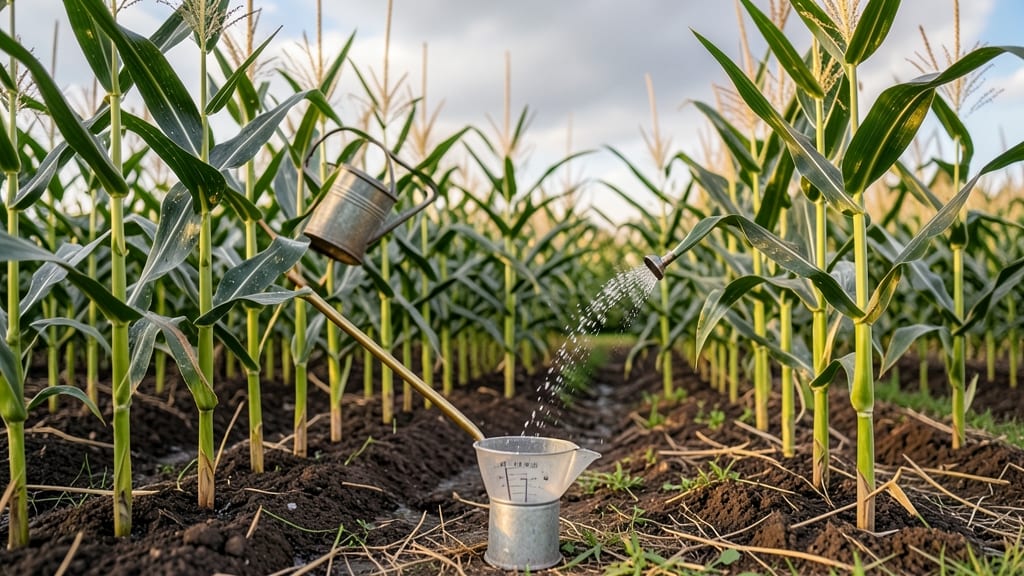
Watering corn plants properly means giving them 1-2 inches of water per week—a rule that keeps your 🌽 thriving from seed to harvest.
Struggling to grow perfect corn ears? The secret isn’t just sunlight and soil—it’s consistent watering. Too little, and your plants wilt; too much, and you risk root rot. But getting it right means the difference between plump, juicy ears and disappointing harvests.
Corn needs steady moisture, especially during critical stages like tasseling and ear development. In Zone 6a, where spring planting kicks off in April, timing matters—drought stress or soggy soil can derail your crop before it even matures.
Below, I’ll break down the exact watering schedule by growth stage, how to measure moisture correctly, and how to adjust for heatwaves or heavy rain. By the end, you’ll know exactly when to water, how much, and why it makes all the difference for your corn.
Optimal watering schedule for corn plants by growth stage
Corn plants need consistent moisture to grow those sweet, plump ears you crave. Unlike drought-tolerant plants, corn demands 1-2 inches of water per week, but the timing and frequency change as your plants mature.
Skipping this step can lead to stunted growth or even empty husks—no one wants that! Let’s break down the exact watering schedule your corn needs from seed to tassel.
Your corn’s watering needs shift dramatically as it grows. A sprouting seedling can’t handle the same deep soak as a tasseling plant filling out those ears. The key is matching your watering routine to each growth stage, while also watching for signs of stress.
Too little water causes wilting leaves, while too much leads to root rot and yellowing foliage. Let’s dive into the stage-by-stage watering plan that’ll give you the best harvest.
During the germination stage (weeks 1-2), your corn seeds need gentle, frequent watering to encourage sprouting. Use a spray bottle or fine mist to keep the soil consistently moist—not dripping wet. Overwatering here can cause seeds to rot before they even sprout.
Aim for ½ inch of water every 2-3 days, checking the top inch of soil with your finger. If it feels dry, it’s time to water again.
The seedling stage (weeks 3-4) is when your little corn plants start reaching for the sky. This is where you’ll see their first true leaves appear, and they’ll need slightly more water to support this growth spurt.
Increase to ¾ inch every 3-4 days, focusing on deep watering rather than light sprinkles. Use a soaker hose or drip irrigation to deliver water directly to the roots, which helps prevent fungal diseases that thrive in damp foliage.
By the time your corn hits the vegetative stage (weeks 5-8), those stalks are growing fast, and their roots are diving deep.
This is when you can ease into the 1-1½ inches per week rule, but pay attention to your soil type. Sandy soil drains quickly and may need daily checks, while clay soil holds moisture longer and might only need water every 5-6 days.
Mulch around your plants to lock in moisture and keep roots cool—this is especially important in hot climates.
The tasseling stage (weeks 9-11) is the most critical for watering. This is when your corn plants are putting all their energy into producing those male tassels and female silks. Without enough water, pollination fails, and you’ll end up with underdeveloped ears or even no ears at all.
During this phase, aim for 1½-2 inches of water daily, especially if temperatures are above 85°F. Morning watering is best to reduce evaporation and fungal risks.
Once your corn enters ear development (weeks 12-14), you can slightly reduce the frequency but maintain the same depth. The goal now is to keep the soil evenly moist without overdoing it. Too much water here can cause the ears to split or crack, ruining your harvest.
If you notice the silks drying out or the husks looking wilted, it’s a sign your plants need more water. Adjust as needed, but avoid letting the soil dry out completely.
Corn is surprisingly drought-tolerant once established, but that doesn’t mean you should neglect it. If you’re dealing with a dry spell, focus on watering deeply every other day rather than giving shallow drinks. For container-grown corn, check soil moisture daily—potted plants dry out much faster than in-ground ones.
And if you’re in a humid climate, reduce watering slightly to prevent fungal issues like corn smut or leaf blight.
Watch for signs of underwatering, like yellowing leaves, curling leaf edges, or dry soil pulling away from the stalk. On the flip side, overwatering causes
How to measure 1-2 inches of water correctly (and why it matters)
Measuring 1-2 inches of water might sound simple, but getting it right is crucial for your corn's health. Too little water stresses plants, while too much causes root rot or fungal diseases. The key is understanding how your soil type affects water retention and adjusting your approach accordingly.
For sandy soil, water drains quickly, so you'll need to water more frequently—sometimes even daily—to maintain that 1-2 inch depth. On the other hand, clay soil holds moisture longer, meaning you can space waterings further apart but must monitor closely to avoid waterlogging.
💧 Key Takeaway: The 3-Step Water Measurement Method
🌱 Pro Tip: Water in the morning to reduce evaporation and fungal risks.
One of my favorite tools for measuring water is a simple tuna can or rain gauge placed near your corn plants. After watering, check how much water collects in the can—that’s your 1-2 inch target.
For larger gardens, use a soaker hose with a flow meter to ensure even distribution.
Don’t rely solely on a calendar—soil moisture is your best guide. Stick your finger 1-2 inches deep into the soil. If it feels dry, it’s time to water. If it’s damp, hold off until the next check.
This method works for both sandy and clay soils, but remember: clay holds moisture longer, so you’ll water less often but more deeply.
Extreme weather throws off watering schedules. During hot summers, you might need to water daily to maintain that 1-2 inch depth, while cool, rainy seasons may require skipping watering entirely. Always prioritize deep, infrequent watering over shallow, frequent sprinkles to encourage strong root growth.
When in doubt, observe your corn plants. Wilted leaves or yellowing can signal underwatering, while mushy stems or yellow lower leaves may indicate overwatering. Adjust your watering routine based on these visual cues and your soil type for the best results.