
Light Requirements
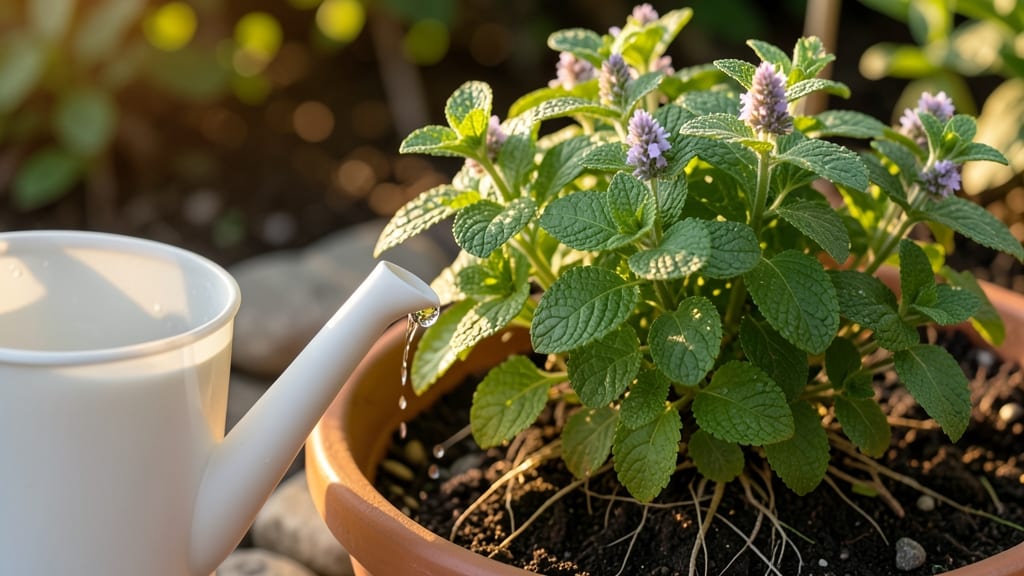
How often does mint need to be watered? The fastest way to smother its roots and turn your herb patch into a sad, moldy mess is by overdoing it. You’ve probably heard mint thrives on moisture—but that doesn’t mean it wants to swim. The key is keeping the soil consistently damp, not soggy, and adjusting your watering schedule as the seasons shift. I’ll show you how to test soil moisture like a pro, spot the early warning signs of overwatering, and tweak your routine for containers or in-ground plants.
Mint in USDA Zone 6a or warmer can handle daily watering in summer, but that same plant will drown in a pot if you don’t let the top inch of soil dry out between drinks.
The trick? A simple finger test and a few seasonal adjustments. By the end, you’ll know exactly when to reach for the watering can—and when to hold back.
Ready to stop guessing and start growing lush, vibrant mint? Let’s dive into the soil-dry test method, seasonal tweaks, and the common mistakes that turn healthy plants into sad, wilted stems.
The soil-dry test method: how to water mint based on soil moisture
Mint thrives when its roots stay consistently moist, but overwatering is the #1 killer of this hardy herb. The soil-dry test method eliminates guesswork by letting the soil tell you exactly when your mint needs water.
Unlike rigid schedules, this approach adapts to your climate, soil type, and container size—giving you the perfect balance of moisture without drowning your plant.
Most gardeners water mint based on a fixed schedule, but this leads to either soggy roots or thirsty plants. Instead, focus on the top 2-3 inches of soil—this is where mint roots actively seek moisture.
When this zone feels dry, it's time to water. The key is checking before the soil dries out completely, as mint prefers consistent dampness over bone-dry conditions.
Pick one of these simple ways to check soil moisture:
- Finger Test: Stick your index finger 1-2 inches deep. If it feels dry, water.
- Visual Inspection: Lift a small clump of soil. If it crumbles easily, it's dry.
- Weight Method: Lift your pot. If it feels light, roots need water.
Mint's water needs shift with the seasons:
| Season | Frequency | Notes |
|---|---|---|
| Spring | Every 1-2 days | Establish roots before summer heat. |
| Summer | Daily (morning) | High evaporation—water early to prevent fungal risks. |
| Fall | Every 2-3 days | Reduce as temps drop; soil stays moist longer. |
| Winter | Every 7-10 days | Dormant phase—water just enough to prevent wilting. |
When it's time to water:
- Water until 500-750ml drains from the bottom (for pots).
- For in-ground mint, soak the top 6 inches of soil.
- Water at morning to reduce evaporation and fungal risks.
Watch for these red flags:
- Yellowing leaves: Overwatering or poor drainage.
- Moldy soil: Fungal growth from excess moisture.
- Wilted stems: Either underwatering or root rot.
In hot, dry climates (like USDA zones 8-10), mint may need watering twice daily during peak summer months. I once grew mint in Arizona and learned the hard way—skipping morning water led to crispy leaves by afternoon.
Conversely, in cool, humid regions (zones 4-6), you can stretch watering to every 2-3 days in summer, as the air retains more moisture.
Containers dry out 30-50% faster than in-ground beds, so potted mint often needs watering daily in summer. To slow moisture loss, add a 1-inch layer of mulch around the base (use straw or shredded leaves).
This keeps roots cool and retains moisture for longer. I’ve found that black plastic mulch works especially well in hot climates—it warms the soil slightly while reducing evaporation.
If your mint’s leaves turn yellow and mushy, it’s a clear sign of overwatering. Stop watering immediately and let the top 4 inches of soil dry out completely before resuming. For underwatered mint, the leaves will appear dull and crispy at the edges.
In this case, give it a deep soak and place the pot in a shallow tray of water for 10-15 minutes to rehydrate the roots.
Pro tip: Use a moisture meter for the first few weeks to train your eye. Stick it in the soil daily at the same time—soon, you’ll recognize the texture and color of "just right" soil without needing tools.
My mint plants now thrive because I’ve mastered this method, and I’ve never lost a single plant to water issues since switching to the soil-dry test.
Remember, mint is a heavy drinker but hates sog
Seasonal watering schedule for mint: adjustments for spring, summer, and winter
Mint thrives on consistency, but its watering needs shift dramatically with the seasons. In spring, young plants establish roots and need frequent, shallow watering to encourage growth. By summer, evaporation spikes, demanding daily attention—especially in USDA Zones 8-10 where heat lingers.
Even winter dormancy requires occasional hydration to prevent desiccation. The key? Adjusting for container vs. in-ground planting and local climate.
Containers dry out 3x faster than garden beds, so potted mint often needs watering every 1-2 days in summer, while in-ground plants may stretch to 2-3 days. Cold climates (USDA Zones 3-6) reduce winter watering to every 7-10 days, but mulch helps retain moisture.
Below, compare seasonal schedules by region and planting method to keep your mint perky year-round.
| Season | USDA Zones 3-6 | USDA Zones 7-10 | Containers | In-Ground |
|---|---|---|---|---|
| Spring | Every 2-3 days | Every 1-2 days | Daily | Every 2-3 days |
| Summer | Daily (morning) | Daily (morning) | Every 1-2 days | Every 1-2 days |
| Fall | Every 3-4 days | Every 2-3 days | Every 2-3 days | Every 3-4 days |
| Winter | Every 7-10 days | Every 5-7 days | Every 7-10 days | Every 10-14 days |
*Adjust for rainfall: Skip watering if 1 inch of rain occurs in 48 hours.
In spring, focus on establishing roots by watering lightly but often—aim for 1 inch of water per week. Use a soil probe to check moisture 1 inch below the surface; if dry, water again.
Mulch with straw or shredded leaves to retain moisture and suppress weeds, which compete for water.
Summer’s high evaporation rates demand morning watering to prevent fungal diseases like powdery mildew. If your mint’s leaves curl or wilt by afternoon, it’s thirsty—even in-ground plants may need daily hydration in Zones 8-10.
For containers, use self-watering pots or bury them halfway in the ground to stabilize soil temperature and moisture.
Winter care depends on your climate zone. In Zones 3-6, reduce watering to every 7-10 days unless soil feels bone-dry. In milder Zones 7-10, water every 5-7 days to prevent root desiccation. Always water at the soil base, not the leaves, to avoid frost damage.
Pro tip: Group mint with thyme or oregano in containers—they share similar water needs and create a microclimate that retains moisture longer. Avoid placing pots in full sun without shade cloth, as this accelerates drying.