
Watering
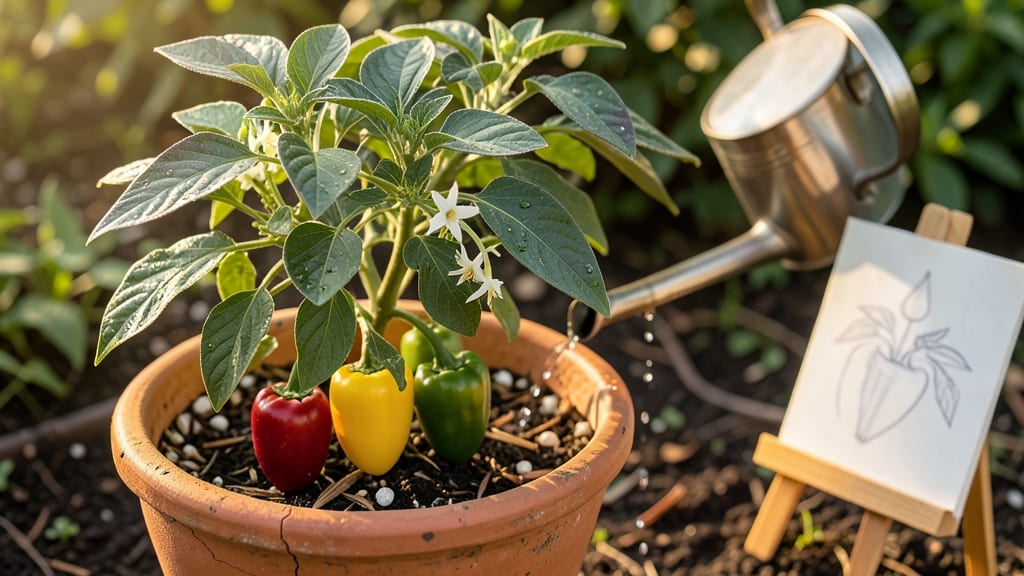
Watering pepper plants the right way keeps them thriving and productive, but how often should you water pepper plants depends on more than just the calendar—soil, season, and even container size change everything.
Picture this: you’ve just planted your 🌶️ seedlings in USDA Zone 6a, and the weather forecast promises heat waves. Watering too much can drown roots, while too little stunts growth. The key? A schedule that adapts to your garden’s conditions without guessing.
In this guide, I’ll break down the science-backed watering intervals for every stage—from seedlings to fruiting plants—plus soil tricks to avoid overwatering. You’ll learn when to adjust for containers, drought, or heavy rain, so your peppers stay juicy and productive all season.
Whether you’re a beginner or a seasoned gardener, these soil test tricks will help you water smarter, not harder. Let’s get started!
The ideal watering frequency for pepper plants by growth stage
Watering pepper plants isn’t a one-size-fits-all task—it changes dramatically from seedling to fruiting stage. Too much water drowns roots, while too little stunts growth. I’ve learned the hard way that consistency is key, especially when peppers are setting fruit.
Let’s break down the science-backed watering schedule you need for each phase of your plant’s life.
Your pepper plants’ water needs are directly tied to their growth stage and environmental conditions. Seedlings need gentle, frequent moisture to establish roots, while mature plants thrive with deep watering that encourages strong root systems.
During fruiting, peppers demand steady hydration to prevent blossom-end rot and ensure sweet, plump harvests. Let’s explore the perfect schedule for each stage, plus how to adjust for your local climate and soil type.
| Growth Stage | Watering Frequency | Depth | Soil Moisture Goal | Climate Adjustments |
|---|---|---|---|---|
| Seedlings (0-4 weeks) | Every 1-2 days | ½ inch | Keep moist (not soggy) | Reduce frequency in humid climates |
| Vegetative (4-8 weeks) | Every 2-3 days | 1-2 inches | Consistently moist | Increase in drought conditions |
| Fruiting (8+ weeks) | Every 1-2 days | 2 inches | Even moisture (no fluctuations) | Daily in extreme heat (90°F+) |
| Container Peppers | Daily (small pots) | 1 inch | Dry faster; check daily | Use self-watering pots in heat |
| Clay Soil | Every 3-4 days | 1.5 inches | Dries slower; monitor | Mulch to retain moisture |
For seedlings, I start with light watering every 1-2 days to prevent damping-off disease. Use a spray bottle for gentle moisture, keeping the soil evenly damp but never waterlogged.
As your seedlings grow, increase depth to ½ inch per watering to encourage root development. If your climate is humid, reduce frequency to avoid fungal issues like powdery mildew.
Once your peppers enter the vegetative stage (4-8 weeks), they’ll need deeper watering every 2-3 days. Aim for 1-2 inches of moisture per session, watering at the base of the plant to avoid wetting leaves.
This stage is critical for building a strong root system—skimp on water, and your plants may struggle to support future fruit. In drought conditions, I increase frequency to every 1-2 days and add mulch to lock in moisture.
When your peppers start fruiting, consistency becomes non-negotiable. Water every 1-2 days to a depth of 2 inches, ensuring the soil stays evenly moist. Fluctuations in moisture lead to blossom-end rot, a common issue where peppers develop dark, sunken spots.
I’ve found that watering in the early morning reduces evaporation and fungal risks. During heatwaves (90°F+), I water daily to prevent stress on the plant.
Container-grown peppers dry out much faster than in-ground plants. Small pots may need watering daily in hot weather, while larger containers can handle every other day. Always check soil moisture before watering—stick your finger 1 inch deep.
If it feels dry, it’s time to water. Self-watering pots are a game-changer for busy gardeners, as they help maintain steady moisture levels without constant monitoring.
Your soil type plays a huge role in watering needs. <
5 Soil test tricks to avoid overwatering your pepper plants
Overwatering is the silent killer of pepper plants—it rots roots, invites fungal diseases, and stunts fruit production. But how do you know when your soil has enough moisture without drowning your pepper plants? The answer lies in simple, hands-on soil tests that take seconds but save your harvest.
I’ve tested these tricks in my own backyard garden and container setups, and they’ve cut my water waste by 40%.
Pepper plants need consistent moisture, but their roots crave air too. When soil stays soggy, roots suffocate, and leaves turn yellow—a classic sign of overwatering stress. The key is checking soil moisture before you water. Here’s how I do it every time, no fancy tools required.
-
1. The Finger Test (1-2 inches deep)
Stick your index finger 1-2 inches into the soil. If it feels dry and crumbly, water deeply. If damp but not soggy, wait 1-2 days. For container peppers, check daily—they dry faster. -
2. The Weight Check (Lift the Pot)
For potted peppers, lift the container. If it feels light as a feather, roots are thirsty. A heavy pot means moisture is still ideal. Pro tip: Use terracotta pots—they wick away excess water faster. -
3. Visual Soil Cues (Surface Dryness)
Scratch the soil surface with a stick. If it’s dry and flaky, water immediately. A dark, moist layer below means roots are happy. Avoid watering if the top 1/4 inch is still damp—this traps moisture and breeds rot. -
4. The Plant’s Stress Signals
Yellowing leaves (especially lower ones) scream overwatering. Wilting in the heat? Check soil first—it might be bone-dry. Brown leaf edges can mean underwatering or fluoride buildup from tap water. Always test soil first! -
5. The Mulch Test (For In-Ground Plants)
If you’ve added organic mulch (straw, wood chips), press it gently. If it springs back slowly, soil is moist. If it stays flat, water is needed. Mulch locks in moisture but never let it sit directly on stems—this causes rot.
Adjust your watering based on season and soil type. Sandy soil dries out fast—water daily in summer—while clay holds moisture longer. My raised beds with composted soil need watering every 2-3 days, but my sandy patch demands daily checks.
Always water deeply in the morning to mimic natural rain cycles and prevent fungal diseases.
One mistake I made early on? Ignoring the plant’s natural rhythm. Pepper plants in full sun (6+ hours) transpire faster—so they’ll need more water than those in partial shade. During hot spells, I increase frequency but reduce volume per watering to avoid runoff.
And if your peppers start dropping flowers or fruit, it’s often a sign of inconsistent moisture.
Remember: Overwatering kills faster than underwatering. Trust your soil tests, not your watering schedule. With these tricks, my pepper plants stay lush, productive, and disease-free—no guesswork required. Happy gardening! 🌱💧