
How To
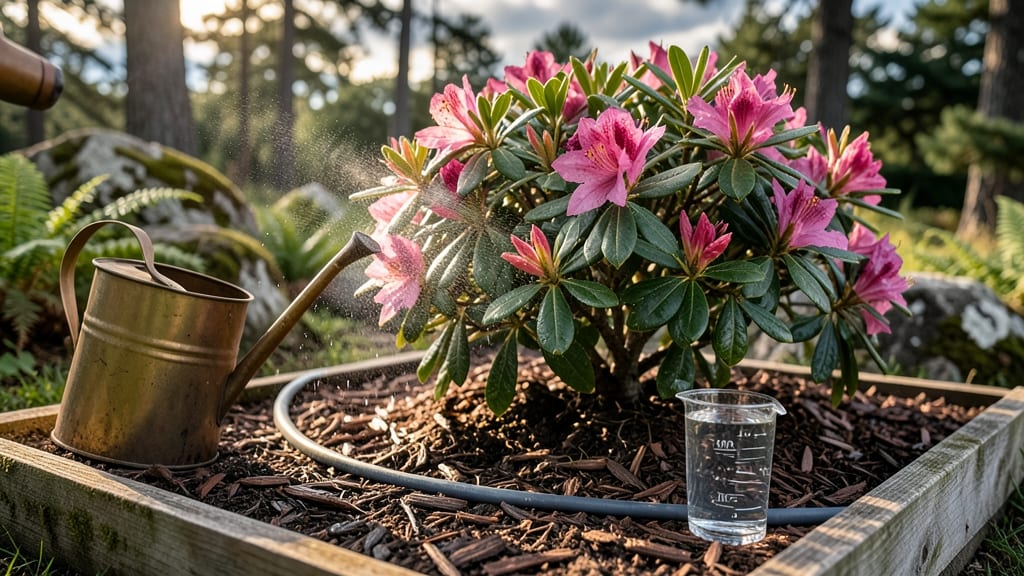
Watering azaleas the right way means giving them 1-2 inches of water every 7-14 days—but timing and technique make all the difference between lush blooms and sad, wilted 🌸 shrubs.
Struggling to keep your azaleas vibrant and blooming? Overwatering or underwatering can silently kill these prized shrubs—here’s the exact seasonal watering schedule to nurture them without guesswork.
Most gardeners get this wrong by either drowning the roots or leaving the soil bone-dry, both of which stress the plant. The key is deep, infrequent watering—especially in Zone 6a—paired with the right mulch and soil conditions to lock in moisture.
Below, I break down how often to water by season, how to spot over- or underwatering, and the simple hacks that save time (and shrubs) year after year.
Azalea watering frequency by season: a month-by-month guide
Azaleas thrive on consistent moisture but despise soggy roots—finding that balance is key to their stunning blooms. Unlike drought-tolerant plants, azaleas need regular watering, especially during their active growing months. The challenge?
Overwatering causes root rot, while underwatering leads to wilting leaves and poor flowering. Let’s break down the exact watering schedule for each season, including adjustments for humid vs. arid climates.
First, check your soil’s moisture level before watering. Stick your finger 2 inches deep—if it feels dry, it’s time to water. In containers, soil dries faster than in-ground plantings.
Azaleas also prefer morning watering to reduce evaporation and fungal risks. Adjust your schedule based on rainfall: skip watering if you’ve had 1 inch of rain in the past week.
Here’s your seasonal watering guide, tailored to keep azaleas happy year-round, whether you’re in a coastal, humid climate or a hot, dry region.
| Season | Months | Watering Frequency | Soil Check | Climate Adjustments |
|---|---|---|---|---|
| Spring | March-May | Weekly (deep soak) | 2" deep dry | Humid: Reduce to bi-weekly |
| Summer | June-August | Every 5-7 days | 1-2" deep dry | Arid: Water early morning |
| Fall | September-November | Bi-weekly (reduce gradually) | Top 1" dry | Humid: Skip if rainy |
| Winter | December-February | Monthly (light watering) | Top 3" dry | Arid: Protect with mulch |
In spring, azaleas wake up from dormancy and need weekly deep watering to encourage root growth and blooming. Aim for 1-2 gallons per plant (or 1 inch of water for in-ground shrubs).
If your area gets frequent rain, skip scheduled watering—azaleas hate soggy roots. In humid climates, reduce to bi-weekly watering to avoid fungal diseases like powdery mildew.
Summer is the most critical season for azaleas, especially in hot, dry regions. Water every 5-7 days in the morning to prevent wilting and stress. For container-grown azaleas, check soil moisture daily—they dry out 3x faster than in-ground plants.
Mulch with pine straw or wood chips to retain moisture and keep roots cool. In humid summers, water lightly but frequently to prevent root rot.
As fall approaches, reduce watering gradually to bi-weekly. Azaleas prepare for dormancy, so overwatering can stimulate weak growth before winter. In arid climates, water deeply but less often, while humid regions may need little to no supplemental water if rainfall is consistent.
Always avoid wet foliage—water at the base to prevent fungal spores from spreading.
Winter care is minimal but crucial. Azaleas enter dormancy, so reduce watering to monthly or only when the top 3 inches of soil are dry. In freezing climates, protect roots with a 4-inch layer of mulch.
If you’re in a mild winter zone, water lightly every 3-4 weeks to prevent desiccation. Never let azaleas sit in waterlogged soil during winter—they’re prone to root rot even in cold weather.
Pro tip: Use a moisture meter for accuracy, especially in containers. If you’re unsure, the finger test works too—just check soil moisture before watering. Adjust your schedule based on local weather patterns: if it’s been unusually dry, water more frequently.
Conversely, heavy rains mean you can skip scheduled watering entirely.
Remember, azaleas show stress quickly. Yellowing leaves often mean overwatering, while crispy edges signal underwatering. By following this seasonal guide, you’ll keep your azaleas lush, blooming, and healthy year-round. Happy gardening! 🌸
Signs your azaleas are overwatered or underwatered (and how to fix it)
Azaleas thrive on consistency, but too much or too little water can turn their lush foliage into a sad, droopy mess. Yellowing leaves or mushy stems are classic red flags—both often mean your watering routine needs an overhaul. Let’s decode these signs and fix them before it’s too late.
First, check the soil. Overwatered azaleas often sit in soggy ground that smells musty, while underwatered plants reveal dry, crumbly soil when you dig an inch down. Both extremes stress your shrubs, but the fixes couldn’t be more different.
⚠️ callout warning
Spring/Summer: Every 5-7 days (deep soak).
Fall/Winter: Every 2-4 weeks (reduce drastically).
Key Rule: Always check soil moisture—stick your finger 1-2 inches deep. If dry, water; if soggy, wait. Morning watering prevents fungal diseases.
If your azalea’s leaves are yellowing with brown edges, it’s likely overwatered. Roots suffocating in wet soil can’t absorb nutrients, causing leaf burn. Fix it fast by improving drainage—amend the soil with perlite or sand and avoid watering until the top 2 inches feel dry.
On the flip side, wilted leaves that stay droopy even after watering signal underwatering. Azaleas need consistent moisture, especially in hot, dry spells. Mulch with pine straw or wood chips to lock in humidity, then water deeply once a week during dry months.
For stubborn cases, adjust your irrigation system. Drip lines or soaker hoses deliver water straight to roots without oversaturating the soil. And always water at the base of the plant, not the leaves, to prevent fungal infections.
Keep an eye on your azaleas—healthy leaves should be deep green and firm. If you catch these signs early, your shrubs will bounce back with vibrant blooms next season. 🌸