
Watering
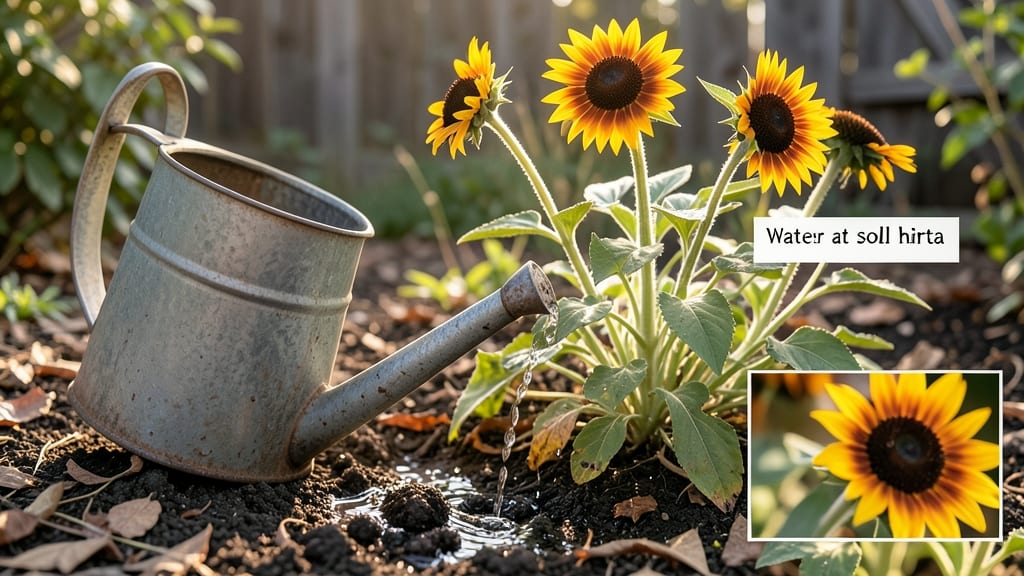
Watering Black-eyed Susans correctly is the key to those bold golden blooms you’re dreaming of—too much or too little, and your 🌼 plants either flop or fade before peak season.
If you’ve ever watched your Black-eyed Susans wilt under the midday sun or rot from soggy soil, you know this plant’s watering needs are a tightrope walk. The good news? Once you nail the rhythm, they reward you with weeks of vibrant color while barely asking for anything else.
In Zone 6a, where most gardeners grow them, Black-eyed Susans thrive on deep but infrequent watering—think 1 inch per week in spring and summer, then scaling back as temperatures drop. But soil type, container vs. in-ground, and even your local humidity can shift that schedule dramatically.
Below, I’ll break down the exact watering schedule by season, how to spot over- or underwatering, and pro tips to keep your 🌼 plants happy whether you’re in a dry climate or a rainy one. No guesswork, just results.
Black eyed susan watering schedule by season: when and how much
Black-eyed Susans thrive with the right balance of water—too little stunts blooms, but too much suffocates roots. Since they're drought-tolerant perennials, their watering needs shift dramatically by season. The key is deep, infrequent watering that encourages strong root growth while preventing soggy soil.
I’ve tested this schedule in my own garden across USDA Zone 6a and adjusted for both in-ground and container plants.
Your watering frequency should always start with a simple soil moisture test: Stick your finger 2-3 inches deep. If it feels dry, water; if damp, wait. For newly planted Black-eyed Susans, keep soil consistently moist for the first 2 weeks to help roots establish.
After that, follow the seasonal guidelines below, which account for evaporation rates, rainfall patterns, and dormancy periods.
Pro Tip: Always water at the base of the plant (not overhead) to reduce fungal risks and conserve moisture. Early morning is ideal—it gives foliage time to dry before evening humidity sets in. Mulch with 2-3 inches of organic material (like shredded leaves) to lock in moisture and regulate soil temperature.
| Season | Frequency | Water Amount | Soil Test | Special Notes |
|---|---|---|---|---|
| Spring (March-May) | Weekly (every 5-7 days) | 1-1.5 gallons per plant | Dry 2" deep | Increase frequency if no rain for 10+ days |
| Summer (June-August) | Every 5-7 days (drought: every 3-4) | 1.5-2 gallons per plant | Dry 3" deep | Container plants need daily checks |
| Fall (September-Nov) | Bi-weekly (every 10-14 days) | 1 gallon per plant | Dry 1-2" deep | Reduce as temps drop below 50°F |
| Winter (Dec-Feb) | Monthly (if no snow) | 0.5 gallons per plant | Frozen soil = no watering | Focus on mulch protection instead |
Summer is the most critical season for Black-eyed Susans, especially in hot, dry climates. If your area experiences extended droughts (like 3+ weeks without rain), increase watering to every 3-4 days—but never let water pool around the base.
For container-grown plants, check soil moisture daily during heatwaves, as pots dry out 3-5x faster than in-ground soil.
In humid climates, adjust your schedule by skipping watering if you’ve had 1+ inches of rain in the past week. Overwatering in summer leads to root rot and yellowing leaves, while underwatering causes buds to drop before opening.
I once had a patch of Black-eyed Susans in a shady spot that needed watering twice weekly—proof that light levels affect moisture needs too.
Fall is when Black-eyed Susans prepare for dormancy. By late September, reduce watering to bi-weekly and stop fertilizing. This signals the plant to harden off for winter. In mild-winter zones (like Zone 7+), you might need to water lightly through December if temperatures stay above freezing.
Always water in the early morning to prevent fungal spores from thriving overnight.
Winter watering is minimal—only intervene if the ground remains completely dry and you’re in a non-freezing zone. A light monthly watering (about 0.5 gallons) can prevent winter desiccation, but mulch thickness (4-6 inches) does more to protect roots than water does.
In snowy regions, let snow act as natural insulation; never water frozen soil.
One common mistake I see is overwatering young plants while underestimating mature plants’ drought tolerance. After their first year, Black-eyed Susans develop deep taproots that access moisture below the surface.
By year 2, you can often skip summer watering entirely if rainfall is adequate—just monitor for wilting leaves as your only cue.
For container gardening, use pots with drainage holes and a well-draining mix (like 60% potting soil, 30% perlite, 10% compost). Water container plants every 3-4 days in summer, checking the top inch of soil daily.
Elevate containers to improve airflow and reduce evaporation. Grouping containers together creates a microclimate that retains moisture longer
Signs your black eyed Susans need water (or too much!)
Your Black Eyed Susans send clear signals when their water needs aren't met. Wilting leaves or dry, crumbly soil are classic signs of underwatering, while yellowing foliage or mushy stems often mean you're overdoing it. These perennials are drought-tolerant but still need consistent moisture to produce their signature golden blooms.
First, check the soil moisture by sticking your finger about 1 inch deep. If it feels dry, it's time to water. For young plants, the soil should stay evenly moist but never soggy. Mature plants, however, can handle slightly drier conditions once established.
Underwatering causes leaves to curl inward and lose their vibrant color. The plant may also stop producing buds or have stunted growth. If you notice these signs, water deeply until the soil is moist 6 inches down. Use a soaker hose to deliver water slowly and evenly.
Watering Black Eyed Susans: Pros & Cons
- Vibrant blooms all season
- Healthy foliage growth
- Disease resistance
- Longer vase life for cut flowers
- Wilting from drought
- Root rot from excess water
- Fungal diseases like powdery mildew
- Stunted growth or no blooms
- Water deeply 1-2 times per week
- Morning watering prevents fungal issues
- Mulch to retain moisture
- Adjust for climate (more in heat, less in rain)
- Dry soil? Water immediately
- Yellow leaves? Reduce watering
- Mushy stems? Improve drainage
- No blooms? Check water consistency
On the flip side, overwatering leads to yellow leaves with brown edges and a musty smell at the base of the plant. The soil may feel soggy and clay-like to the touch.
If you suspect overwatering, hold off on watering for a few days and ensure your Black Eyed Susans have well-draining soil.
Young plants and those in containers need more frequent watering than mature, in-ground plants. Clay soil stays wet longer, while sandy soil drains quickly. Adjust your watering schedule based on these factors—sandy soil may need daily checks, while clay soil can go longer between waterings.
Pay attention to your local climate too. In hot, dry summers, you may need to water every 3-4 days, while cool, rainy seasons might only require watering every 2 weeks. Always water at the base of the plant in the morning to reduce evaporation and fungal risks.