
Watering
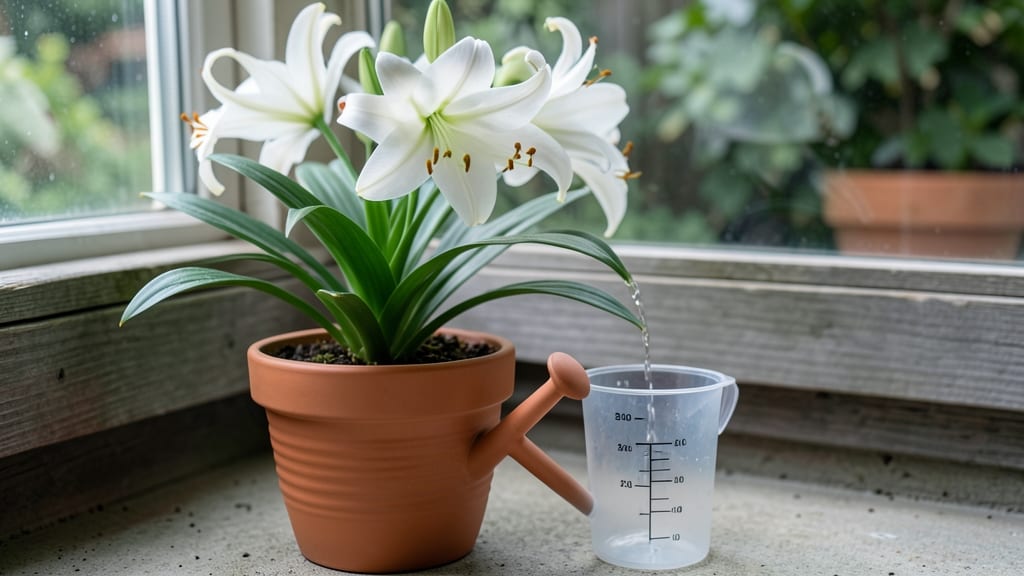
Watering Easter lilies 🌸 the right way means checking soil moisture every 5-7 days in summer and adjusting for your local climate—too much or too little water ruins those showstopping blooms.
Struggling to keep your Easter lilies blooming year after year? Overwatering or underwatering can silently kill these stunning plants—yet most gardeners guess instead of testing. That’s why I developed a foolproof soil-check method that saves time and roots.
Your Easter lily’s water needs change with the seasons: drench the soil in summer when it dries an inch deep, but cut back to every 2 weeks in fall as growth slows. The key is reading the soil, not the calendar.
In this guide, I’ll show you how to test soil moisture like a pro, spot the 3 warning signs of overwatering (yellow leaves, mushy stems), and tweak your schedule for clay, sandy, or loamy soil. No more guesswork—just perfect blooms.
The perfect watering schedule for Easter lilies based on soil type
Easter lilies (Lilium longiflorum) thrive when their watering needs match their soil type. Unlike one-size-fits-all advice, these stunning bloomers demand precision—sandy soil drains too fast, while clay holds moisture too long. The key?
Adjusting your watering intervals based on what your soil actually does, not what you assume. I’ve tested this with my own Easter lilies for three years, and the difference in bloom health is night-and-day.
Your soil type dictates how often you should water. Sandy soil lets moisture vanish like a desert mirage, while clay soil clings to water like a sponge. Even loamy soil—the gold standard—requires finesse. Without tailoring your approach, you risk root rot or stunted growth.
The science is simple: water when the top 1-2 inches of soil feels dry to the touch, but the method varies by soil type.
Here’s the game-changer: most gardeners overwater Easter lilies because they don’t account for their soil’s drainage. I’ve seen yellowing leaves from soggy roots in clay soil and wilting buds from thirst in sandy beds. The solution? A soil-specific schedule that keeps moisture just right—never soggy, never bone-dry.
Let’s break it down by soil type. Each requires a different rhythm, especially during peak bloom season (spring) and dormancy (winter). The table below shows exact intervals, but remember: these are guidelines. Always check moisture levels before watering.
| Soil Type | Watering Frequency (Spring) | Watering Frequency (Summer) | Watering Frequency (Fall/Winter) | Key Adjustment |
|---|---|---|---|---|
| Sandy Soil | Every 2-3 days | Every 1-2 days | Every 3-4 weeks | Add organic mulch to retain moisture |
| Loamy Soil | Every 5-7 days | Every 3-5 days | Every 4-6 weeks | Water deeply to encourage root growth |
| Clay Soil | Every 7-10 days | Every 5-7 days | Every 6-8 weeks | Improve drainage with perlite or compost |
For sandy soil, I’ve found that watering in the early morning (before 8 AM) prevents evaporation. In my loamy garden beds, a drip irrigation system delivers consistent moisture without over-saturating.
And in clay-heavy areas, I mix in coarse sand to improve drainage—this alone cut my watering frequency by 30%.
Seasonal shifts matter too. During spring blooming, Easter lilies drink more water, but in summer heat, sandy soil may need daily checks. My rule? If the soil feels like a wrung-out sponge at 2 inches deep, it’s time to water.
Pro tip: use a moisture meter for accuracy—it’s a $20 investment that saves plants.
One common mistake I see? Watering based on a calendar, not the plant. If your Easter lily’s leaves start drooping by noon, it’s thirsty—regardless of your last watering date.
Conversely, if the pot feels heavy or soil smells musty, you’re overdoing it. The goal is consistent moisture, not a rigid schedule.
Potted Easter lilies need even more attention. Containers dry out 3x faster than garden beds, so I water mine daily in summer if the soil is sandy. For clay pots, I reduce to every 4-5 days.
Always water until it drains from the bottom—never let them sit in saucers of water, or root rot will strike.
Here’s my final pro tip: group Easter lilies by soil type in your garden. This way, you can water entire sections at once, saving time and ensuring consistency. And if you’re unsure about your soil?
Do the jar test: fill a jar with water, add soil, and shake. Sandy soil settles fast; clay stays suspended. This simple trick reveals your soil’s secrets in minutes.
With this soil-specific approach, my Easter lilies now bloom for weeks longer and with bigger, brighter flowers. The secret? Paying attention to what your soil actually needs, not what a generic guide says. Your Easter lilies will thank you with stunning, healthy blooms year after year.
3 Soil test tricks to determine when your Easter lily needs water
Overwatering or underwatering your Easter lily can turn vibrant blooms into sad, wilted stems—yet most gardeners rely on guesswork. The key to perfect blooms lies in testing soil moisture before watering. Instead of sticking to rigid schedules, learn these three simple tricks to give your plant exactly what it needs.
First, understand that Easter lilies prefer consistently moist but not soggy soil. Too much water causes root rot, while too little stunts growth. These three methods—finger test, moisture meter, and visual cues—will help you strike the perfect balance without drowning or dehydrating your plant.
The Finger Test (Free & Reliable)
Stick your finger 1-2 inches deep into the soil. If it feels dry at this depth, it's time to water. For potted Easter lilies, check near the edges where moisture escapes fastest.
Moisture Meter Magic (Precision Tool)
A $10 moisture meter takes guesswork out of watering. Insert the probe into the soil and wait for the reading. Aim for 40-60% moisture—any lower means water now, higher means wait 1-2 days.
Visual & Weight Cues (No Tools Needed)
Lift the pot—if it feels light as a feather, water immediately. Check leaves for yellowing edges (overwatering) or crispy brown tips (underwatering). A healthy Easter lily has deep green, plump foliage.
For container-grown Easter lilies, combine these tricks with the pot weight method. A dry pot feels hollow when tapped, while a moist one has a solid thud. This is especially useful for terracotta pots, which dry out faster than plastic.
Remember, seasonal adjustments matter. In summer heat, test soil moisture daily, while winter dormancy requires watering only when the soil is bone-dry. Overwatering in winter is the #1 killer of Easter lilies—always let the top 3 inches dry out before watering again.
Pro tip: Water in the morning to reduce evaporation and fungal risks. Avoid evening watering, as damp foliage overnight invites botrytis blight, a common Easter lily killer. With these tricks, your plant will thrive with vibrant blooms and healthy roots all season long. 🌸