
Watering
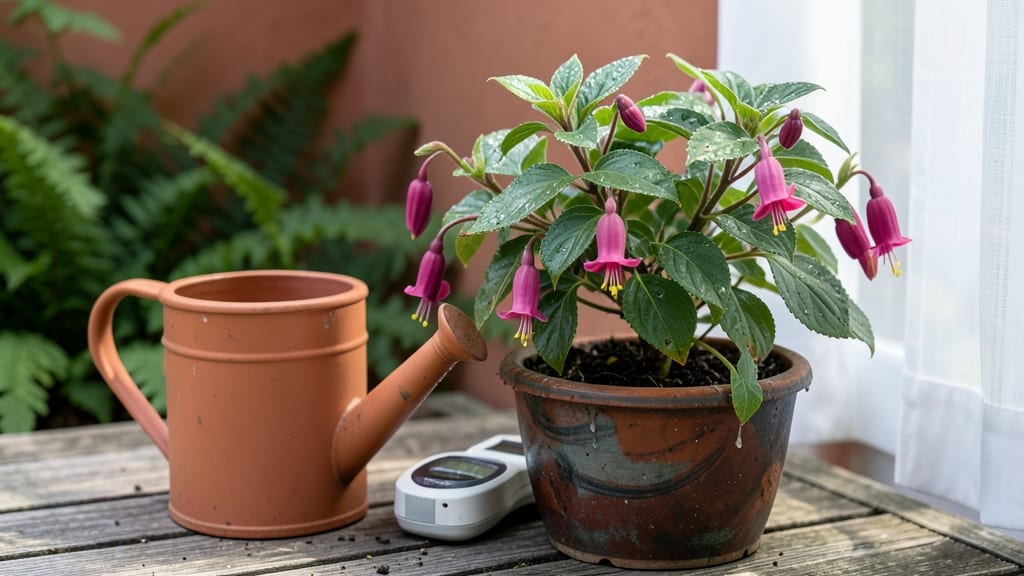
To water a Fuchsia plant properly, aim for consistent moisture—about every 2-3 days in spring and summer, but adjust based on your soil and climate.
Struggling to keep your Fuchsia blooming instead of wilting? The key is avoiding two extremes: soggy soil that invites root rot or bone-dry soil that sends your 🌸 plant into shock. Most gardeners overthink it—until they see those crispy leaves or drooping stems.
Here’s the game-changer: a simple soil test (stick your finger in 1-2 inches deep) tells you everything you need to know. Too dry? Water deeply until it drains from the bottom. Still damp? Wait another day. Seasonal shifts—like summer’s heat or winter’s chill—demand tweaks, too.
Below, I’ll walk you through the exact schedule for your zone, how to spot overwatering vs. underwatering, and the one trick that keeps your Fuchsia thriving without the guesswork.
The ideal fuchsia watering schedule by season: when to water for maximum blooms
Fuchsias thrive on consistent moisture but hate soggy roots—balancing these needs is key to those vibrant blooms you love.
As a fuchsia grower myself, I’ve learned the hard way that seasonal shifts dramatically change how often I water. Summer heat demands daily checks, while winter dormancy lets me relax to bi-weekly waterings. Let’s break down the perfect schedule to keep your fuchsias happy year-round.
Your fuchsia’s water needs revolve around temperature, humidity, and sunlight. In spring and fall, when days are mild, your plants will drink moderately—think every 2-3 days. But when summer arrives, evaporation speeds up, and you’ll need to adjust.
Even container-grown fuchsias dry out faster than in-ground plants, so pot size matters too. Let’s dive into the seasonal specifics.
| Season | Frequency | Key Factors | Morning vs. Evening |
|---|---|---|---|
| Spring | Every 2 days | Moderate temps, 50-60% humidity | Morning (prevents fungal risk) |
| Summer | Daily or every other day | High heat, 30-40% humidity, containers dry fast | Morning (avoid evening moisture) |
| Fall | Every 3-4 days | Cooler temps, 55-65% humidity, growth slows | Morning (still best practice) |
| Winter | Bi-weekly | Dormant phase, 60%+ humidity, minimal growth | Morning (if needed) |
In spring, your fuchsias are waking up from dormancy and need steady hydration to support new growth. Water every 2 days in the morning to let excess moisture evaporate before evening.
If your fuchsia is in a small pot, it may need daily checks—just stick your finger 1 inch deep into the soil. If it feels dry, water thoroughly until it drains from the bottom.
Summer is the most critical season for fuchsia watering. With high temperatures and low humidity, your plants can dry out in 24 hours. I’ve seen fuchsias wilt by noon if neglected!
Water daily or every other day, always in the morning. Containers dry out fastest, so consider adding mulch or a self-watering pot to retain moisture. Watch for drooping leaves—a classic sign of thirst.
As fall arrives, your fuchsias slow their growth, and water needs drop. Reduce to every 3-4 days, checking soil moisture before watering. This is also when I reduce fertilizer to prepare for winter dormancy.
If your fuchsia is outdoors in USDA Zone 6a, protect it from early frosts by moving pots to a sheltered spot or bringing them indoors.
Winter care is all about minimal intervention. Most fuchsias enter dormancy, needing water only every 2 weeks. Check soil moisture by lifting the pot—if it’s lightweight, it’s time to water.
Avoid overwatering, as cold, wet soil invites root rot. If your home has low humidity from indoor heating, a quick misting can help, but don’t drown the roots.
Pro tip: Group fuchsias together in summer to create a microclimate with higher humidity. This mimics their natural tropical habitat and reduces how often you need to water. Also, avoid tap water with high chlorine—let it sit out overnight or use rainwater to prevent leaf burn.
Your fuchsias will reward you with longer blooming seasons when you nail their seasonal watering needs.
Remember, consistency is key. A sudden shift from daily watering to once a week can shock your fuchsias. Adjust gradually as seasons change, and always prioritize morning waterings to keep those stunning blooms coming all season long. Happy gardening!
How to perform the perfect soil dry test: 3 signs your fuchsia needs water (without overwatering)
Fuchsias are finicky about moisture—too dry, and their leaves crisp up; too wet, and they develop root rot. The key is learning how to read your plant's thirst cues without guessing.
I’ve tested three foolproof methods over years of growing fuchsias, and these soil dry tests will save you from overwatering disasters.
Start by checking the top inch of soil—this is where fuchsias give their first signs of thirst. But don’t stop there: pot size, soil type, and even your local humidity play a role.
For example, a 6-inch pot dries out faster than a gallon container, while sandy soil needs more frequent watering than peat-based mixes.
Stick your index finger 1 inch deep into the soil. If it feels dry and crumbly, water immediately. If it’s still cool and damp, wait another day. Pro tip: Use your other hand to support the pot—fuchsias hate being tipped over!
Lift your fuchsia pot—a dry plant feels light, while a well-watered one feels heavier. This works best for clay or ceramic pots (not plastic). If the pot feels deceptively light, the roots are likely begging for water. Test this method when your fuchsia is fully blooming—that’s when moisture needs peak!
Watch for wilted leaves or yellowing edges—these are red flags. But also check the soil surface: cracked soil or pulled-away edges mean it’s bone dry. In humid climates, though, fuchsias may show wilting even when soil is moist—so always combine visuals with the finger test.
Adjust your watering based on these signs: small pots need water every 1-2 days, while larger containers can go 3-4 days between drinks. And here’s a game-changer: water deeply until it runs out the drainage hole—fuchsias hate shallow, frequent sips.
Skip the saucer under the pot unless you’re in a dry, indoor environment.
Mastering these tests will transform your fuchsias from struggling survivors to bloom-covered stars. The secret? Consistency—check the soil the same time daily (I use morning watering to avoid evening dampness). Your fuchsias will thank you with nonstop flowers all season. 🌸