
How To
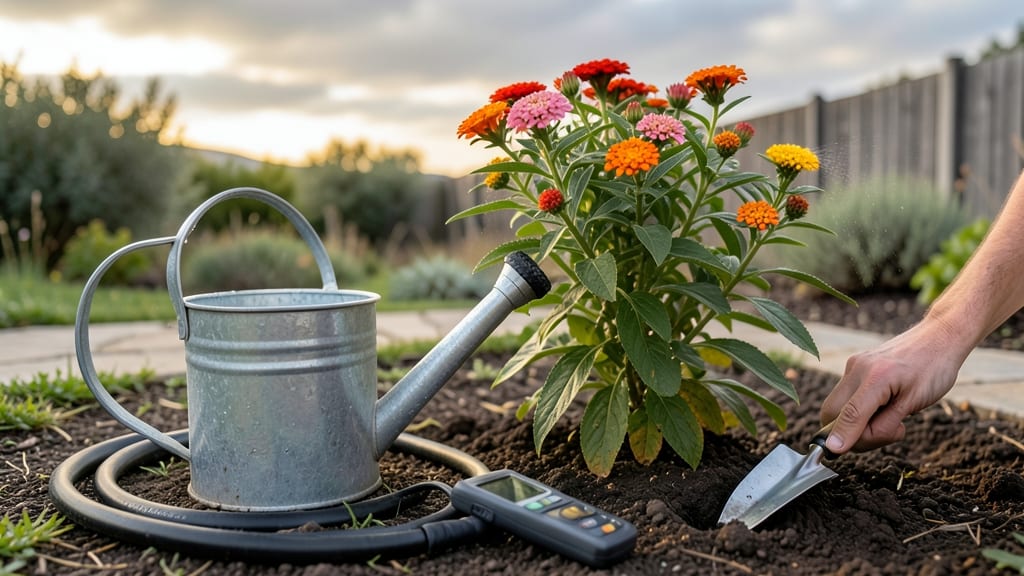
Watering lantana every 3 to 5 days keeps its 🌸 vibrant blooms thriving without drowning the roots—though your schedule should shift with heat, soil, and rain.
Struggling to keep your lantana plants thriving? Overwatering or underwatering can turn vibrant blooms into wilted leaves—discover the exact watering schedule tailored to your climate and soil.
Lantana is famously drought-tolerant, but that doesn’t mean it’s care-free. Too little water and the leaves crisp; too much and the roots rot. The trick? Deep, infrequent watering that mimics natural rainfall.
In this guide, I’ll break down seasonal adjustments, soil type differences, and heat-zone hacks so you can water with confidence—no guesswork, just blooms all season long.
Lantana watering schedule by season: month-by-month guide
Mastering your lantana watering schedule means understanding how seasons shift moisture needs. These drought-tolerant beauties thrive with 60% less water in winter than summer, but getting it wrong leads to yellow leaves or root rot.
The key? Adjusting for temperature, rainfall, and soil type—I’ll break it down month-by-month so your lantana stays lush year-round.
Lantana’s native habitats range from tropical jungles to arid deserts, which means they’re adaptable but need precise care. In hot months, they drink deeply, while cool seasons slow their growth—watering too much can smother roots.
My 12-month schedule accounts for these shifts, plus local weather patterns like humidity or drought warnings.
🌱 Pro Tip: Always water at soil level, not overhead. This prevents fungal diseases while keeping roots hydrated. Use your finger to check moisture—if the top 1-2 inches feel dry, it’s time to water.
Spring is your lantana’s wake-up call. As temperatures rise from March to May, increase watering from every 5 days to every 3 days. New shoots need steady moisture to establish roots—think of it as their growth fuel.
If your area gets 1 inch of rain weekly, cut back by 25% to avoid overwatering.
Summer demands daily attention in July and August. Lantana’s clustered blooms love heat but wilt fast without deep watering. My rule? Water early morning for 10-12 inches deep—this mimics natural rainfall and prevents shallow root stress. In drought-prone areas
Adjusting water frequency by soil type: sandy vs. clay vs. loamy
Your lantana's watering needs change dramatically based on soil type. Sandy soil drains like a sieve, while clay soil holds moisture like a sponge. Even loamy soil—the gardener's gold—requires adjustments. Understanding these differences prevents root rot in heavy soils or dehydration in fast-draining ones.
Lantanas thrive with moderate moisture, but their roots need air. In sandy soil, water evaporates within 24 hours, while clay soil can stay soggy for over a week. Loamy soil strikes the perfect balance, retaining moisture without suffocating roots.
Let’s break down how to adjust your watering schedule for each type.
| Soil Type | Watering Frequency | Moisture Retention | Amendment Tips |
|---|---|---|---|
| Sandy Soil | Every 2-3 days (summer), 5-7 days (fall) | Low (drains quickly) | Add compost or peat moss to retain moisture |
| Clay Soil | Every 10-14 days (check before watering) | High (stays wet for days) | Mix in sand or perlite for drainage |
| Loamy Soil | Every 5-7 days (summer), 7-10 days (fall) | Moderate (ideal balance) | Maintain organic matter with mulch |
For sandy soil, I recommend deep watering twice weekly in summer to encourage root growth. Stick your finger 2 inches into the soil—if it’s dry, water again. Clay soil is trickier; overwatering leads to root rot.
Always check moisture before watering, and improve drainage with gypsum or organic compost.
If your soil is loamy, you’re in luck! This type holds moisture without compacting. Still, mulch with wood chips to slow evaporation. Lantanas hate soggy feet, so avoid watering at night—fungus thrives in damp conditions. Always water at the base, not the leaves, to prevent disease.
Pro tip: Amend your soil before planting. For sandy soil, blend in 3 inches of compost. For clay, mix in equal parts sand and compost. Over time, your soil will improve, making watering easier. Healthy soil = happy lantana!
Watch for wilting leaves or yellowing foliage—signs your watering routine needs tweaking. Adjust based on your soil type, and soon your lantana will reward you with nonstop blooms all season. 🌸