
Watering
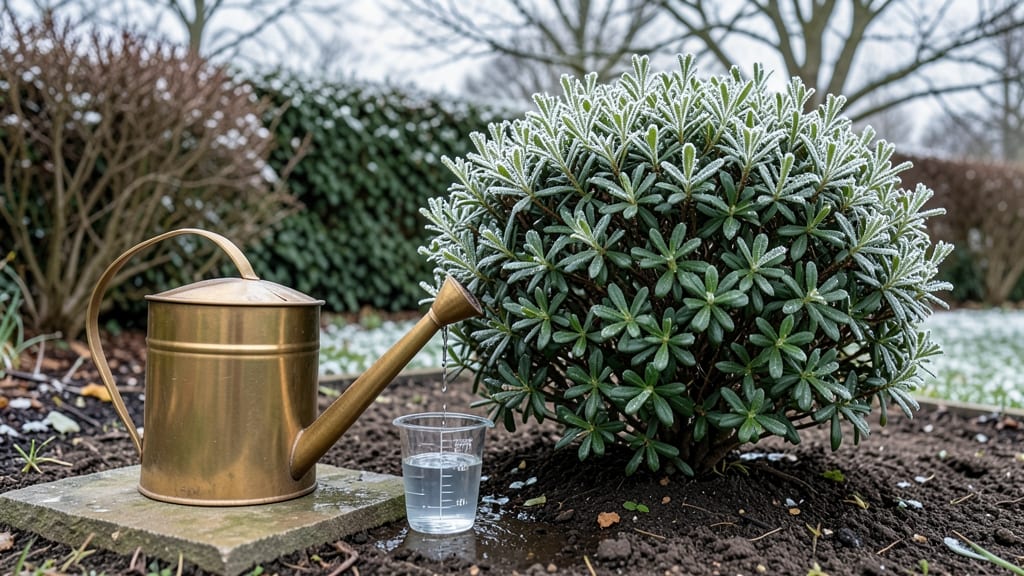
Watering outdoor plants in winter follows different rules than the rest of the year—your usual schedule could drown roots or leave them thirsty when they need it least.
Winter watering can make or break your outdoor plants—overdo it and risk root rot, skip it and watch them wither. The key lies in understanding moisture needs by plant type, soil conditions, and your climate zone.
Evergreens like pine trees sip water year-round, while dormant perennials barely breathe. A dry spell in January might mean weekly checks in Zone 5, but a soggy December in the Pacific Northwest could mean waiting until the soil is bone-dry.
Below, I break down how to read your soil, adjust for containers, and spot the 5 signs your plants are begging for—or refusing—water this season.
Winter watering frequency by plant type: drought-tolerant vs. moisture-loving species
Winter watering isn't one-size-fits-all—your evergreens and deciduous trees have completely different needs than perennials or winter-blooming plants.
The key is understanding how each type stores moisture and responds to cold. Drought-tolerant species like lavender or juniper can go months without supplemental water, while moisture-loving perennials like hostas or asters need occasional hydration to survive frozen soil.
Your soil type plays a bigger role in winter than most gardeners realize. Sandy soils drain quickly, requiring more frequent checks, while clay holds moisture longer—sometimes too long, leading to root suffocation.
Even in winter, container plants dry out faster than in-ground specimens because they lack the insulating effects of surrounding soil. That's why I always prioritize mulching (3-4 inches) to protect roots and regulate moisture.
Here's the science: Most plants enter dormancy in winter, slowing water uptake by 50-70%.
However, evergreens like boxwoods and broadleaf evergreens continue transpiring (losing moisture) through their needles, making them vulnerable to winter burn if dehydrated. Winter-blooming plants, such as hellebores or witch hazel, also need consistent moisture to support their energy demands during cold snaps.
For drought-tolerant plants, I recommend the "finger test" method: Stick your finger 2-3 inches into the soil. If it feels dry, water deeply—but only if temperatures are above 32°F. Succulents and cacti in containers can go even longer, often needing water only when the soil is completely dry.
The exception? Mediterranean natives like lavender or rosemary, which may need a light drink every 6-8 weeks to prevent winter desiccation.
Moisture-loving plants, like hostas or ferns, are trickier because frozen soil blocks water absorption. My trick is to water before the first hard freeze—this creates a moisture reservoir in the soil that slowly releases as needed.
For hydrangeas and azaleas, I add water-retentive crystals to the root zone in fall to supplement winter hydration. Winter-blooming plants are the most demanding; they need consistent moisture to support their energy-intensive blooming process.
Don't forget about newly planted specimens—they require 20-30% more water than established plants during winter's first year to help roots establish.
I always mark their locations with flagging so I remember to give them priority. Wind-exposed plants also dry out faster, so I add extra mulch (up to 6 inches) around their bases to lock in moisture and insulate roots from temperature swings.
One common mistake? Overwatering evergreens because of their year-round foliage. Too much moisture can lead to root rot, especially in heavy clay soils. The solution? Use drip irrigation on a timer set for 10-15 minutes every 6 weeks—just enough to keep the root zone from drying out completely.
For container plants, I switch to terracotta pots
Climate Zone adjustments: how freezing temperatures and rainfall change watering rules
Your USDA hardiness zone determines winter watering more than any other factor. In Zone 3, where temps drop below -40°F, most plants enter dormancy, but evergreens still need occasional moisture. Meanwhile, Zone 10 plants may need regular watering if rainfall is scarce.
The key is balancing soil moisture with freezing risks—overwatering in cold zones can lead to root heave, while underwatering in mild zones stresses plants.
Snow cover acts like a natural mulch, insulating roots and slowing evaporation. In Zone 5-7, a 6-inch snowpack can provide all the moisture your plants need for weeks.
But in windy coastal areas (like Zone 8-9 in California), high winds dry soil faster, requiring 20-30% more water than inland zones. Always check soil moisture 2 inches deep—if it's dry, water deeply but avoid wetting foliage to prevent frost damage.
Regional rainfall patterns flip winter watering rules. The Pacific Northwest (Zone 7-9) gets 12+ inches of rain in winter, often eliminating supplemental watering. Conversely, the Southwest (Zone 8-10) sees less than 2 inches, demanding weekly soil checks.
Container plants in Zone 3-5 dry out fastest—water them every 7-10 days unless snow covers the pots.
| USDA Zone | Winter Conditions | Watering Frequency | Key Adjustments |
|---|---|---|---|
| Zone 3 (-40°F to -30°F) | Heavy snow, extreme cold | Every 3-4 weeks (if no snow) | Prioritize mulch (4-6 inches), avoid watering if ground is frozen. |
| Zone 5 (-20°F to -10°F) | Moderate snow, occasional thaw | Every 2-3 weeks (check soil) | Water evergreens in early winter to prevent desiccation. |
| Zone 7 (0°F to 10°F) | Mixed rain/snow, mild spells | Every 1-2 weeks (if dry) | Reduce watering for dormant perennials; focus on newly planted trees. |
| Zone 9 (20°F to 30°F) | Minimal frost, low rainfall | Every 7-10 days (if no rain) | Water container plants and citrus to prevent root stress. |
| Zone 10 (30°F+) | No frost, dry winters | Every 5-7 days (deep soak) | Use drip irrigation to target roots; avoid wetting leaves. |
In Zone 3-4, where soil freezes solid, watering is rarely needed—unless you're protecting tender perennials with burlap wraps. For Zone 6-8, where freeze-thaw cycles occur, water deeply before the first hard frost to ensure roots have moisture.
In Zone 9-10, where winters are mild but dry, use a soil moisture meter to guide watering—aim for 40-50% moisture at 4 inches deep.
Wind exposure changes everything. Plants in Zone 5-7 with wind speeds over 15 mph lose moisture 3x faster than sheltered ones. Add windbreaks or group plants together to reduce evaporation. For container gardens, move pots to leeward sides of structures or cover them with bubble wrap during windstorms.
Always water in the morning to let foliage dry before nighttime frosts.
Pro tip: Mulch thickness matters more than watering frequency in winter. A 4-inch layer of straw or wood chips can reduce soil moisture loss by 50%.
In Zone 8-10, where rainfall is unreliable, combine mulch with drip irrigation on a timer set for early morning to mimic natural rainfall patterns. Adjust your watering schedule monthly—what works in December (cold, wet) may fail in February (mild, dry).