
Watering
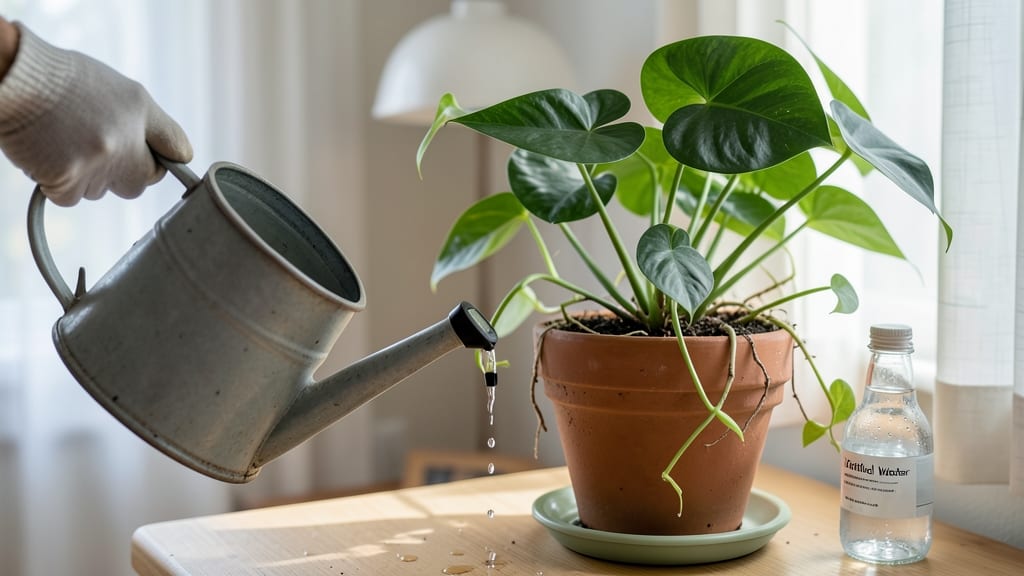
Watering your philodendron the right way keeps those glossy leaves thriving—because the wrong schedule can turn them crispy or mushy in just a few days.
Overwatering or underwatering your philodendron can turn its lush green leaves into sad, crispy edges—or worse, kill the plant entirely. The secret to keeping it thriving lies in understanding its unique watering needs, which go far beyond a simple weekly schedule.
Most people assume philodendrons need water every 7 days, but soil type, pot size, and humidity change everything. A quick finger test or moisture meter can save you from root rot or stunted growth.
Below, I’ll show you the 3-step soil check that works for heartleaf, Brasil, and selloum varieties—plus how to adjust for your home’s conditions.
The 3-Step soil check method to water philodendron correctly
Philodendrons are forgiving plants, but their watering needs are often misunderstood. Unlike succulents that thrive on neglect, philodendrons (including heartleaf, Brasil, and selloum varieties) prefer their soil to stay consistently moist but never soggy.
The key is a 3-step soil check that tells you exactly when to water—without relying on rigid schedules that fail in different environments.
Most gardeners make the mistake of watering on a fixed weekly schedule, which can lead to root rot in humid climates or crispy leaf edges in dry air. Instead, we focus on three simple checks: finger depth, soil weight, and moisture level.
These steps work for container-grown philodendrons and even outdoor plants in well-draining soil.
Here’s how to apply the method—whether you’re a beginner or a seasoned plant parent:
Gently insert your finger 1-2 inches into the soil. If it feels dry and crumbly, it’s time to water. For heartleaf philodendrons, the top layer should never stay dry for more than 3-5 days.
Pick up your philodendron pot—a dry pot feels lightweight, while a moist one feels heavier. If the pot is noticeably lighter than usual, water thoroughly until water drains from the bottom.
Press a small amount of soil between your fingers. If it holds its shape but isn’t sticky, the moisture is ideal. For selloum varieties, slightly drier soil is tolerated, but Brasil philodendrons prefer a consistently damp environment.
Adjusting for humidity levels is critical. In low-humidity environments (like heated homes in winter), philodendrons dry out faster, so check soil every 2-3 days. In high-humidity conditions (e.g., bathrooms or tropical climates), wait until the soil is drier to the touch before watering to prevent root suffocation.
For container gardening, pot size matters. A small 6-inch pot may need watering every 5-7 days, while a large 12-inch pot can go 10-14 days between waterings. Always use a well-draining potting mix with perlite or orchid bark to mimic their natural habitat.
Watch for visual cues like yellowing leaves (overwatering) or drooping fronds (underwatering). If your philodendron’s leaves feel soft or mushy, it’s a sign of excess moisture. Conversely, brown, crispy tips indicate it’s thirsty. These clues help fine-tune your 3-step method over time.
Pro tip: Group your philodendrons together on a plant saucer to collect runoff. This helps you monitor watering consistency and prevents fluoride buildup from tap water, which can cause leaf tip burn. If using tap water, let it sit out for 24 hours before watering to reduce chemical exposure.
Remember, philodendrons are tropical plants that thrive in stable moisture. By mastering these three steps, you’ll avoid the guesswork and give your plant the consistent care it craves—leading to vibrant, healthy growth all year round. 🌿
Philodendron watering schedule by season: adjusting for growth cycles
Your philodendron’s thirst changes dramatically with the seasons—what works in summer’s heat can drown it in winter’s dormancy. Unlike many houseplants, philodendrons slow their growth during cooler months, drastically reducing their water needs.
The key is matching your watering schedule to its active growth cycles, not a rigid weekly routine.
In spring and summer, your philodendron enters its growth spurt, demanding more frequent watering. But by fall and winter, its roots shrink back, making overwatering the #1 killer.
Even heartleaf philodendrons (the most popular variety) need 50% less water in winter than summer. Let’s break down the seasonal shifts so you never guess again.
🌱 Seasonal Watering Rule: Always water until drainage exits the pot’s bottom, then wait until the top 1-2 inches of soil feel dry to the touch. This method works year-round but adjusts the timing based on your plant’s growth phase.
| Season | Mature Philodendron (1+ years) | Juvenile Philodendron (<1 year) | Signs of Overwatering | Signs of Underwatering |
|---|---|---|---|---|
| Spring | Every 5-7 days | Every 4-5 days | Yellowing leaves, mushy stems, fungus gnats | Drooping leaves, crispy edges, slow growth |
| Summer | Every 3-5 days (daily in extreme heat) | Every 2-3 days | Root rot, black spots, foul odor | Wilting despite moist soil, dry soil cracks |
| Fall | Every 10-14 days | Every 7-10 days | Slow wilting, gray mold on soil | Leaves curling inward, dry soil clumps |
| Winter | Every 3-4 weeks | Every 2-3 weeks | Soft stems, no new growth | Brittle leaves, soil pulls away from pot |
Notice how juvenile philodendrons (under 1 year) need water 2-3 days sooner than mature plants? Their smaller root systems can’t hold moisture as long.
Also, pay attention to your local climate: A Brasil philodendron in Arizona may need daily watering in July, while the same plant in Seattle might thrive on weekly watering.
In summer, watch for crispy leaf edges—a classic underwatering sign. But if your philodendron’s leaves turn yellow and mushy, you’re likely overwatering. Pro tip: Move your plant to a shadier spot during peak summer heat to slow evaporation and reduce watering frequency by 30%.
During winter, most philodendrons enter dormancy. This is when many gardeners accidentally kill their plants by keeping up summer watering routines. If your philodendron isn’t growing new leaves by late winter, it’s likely conserving energy—don’t water until the soil is completely dry between waterings.
🌿 Seasonal Adjustment Hack: Place your philodendron on a gravel tray in winter. The tray elevates the pot, preventing root rot from sitting in cold, wet soil while still providing humidity. Just remember to empty excess water after 30 minutes to avoid soggy roots.