
How To
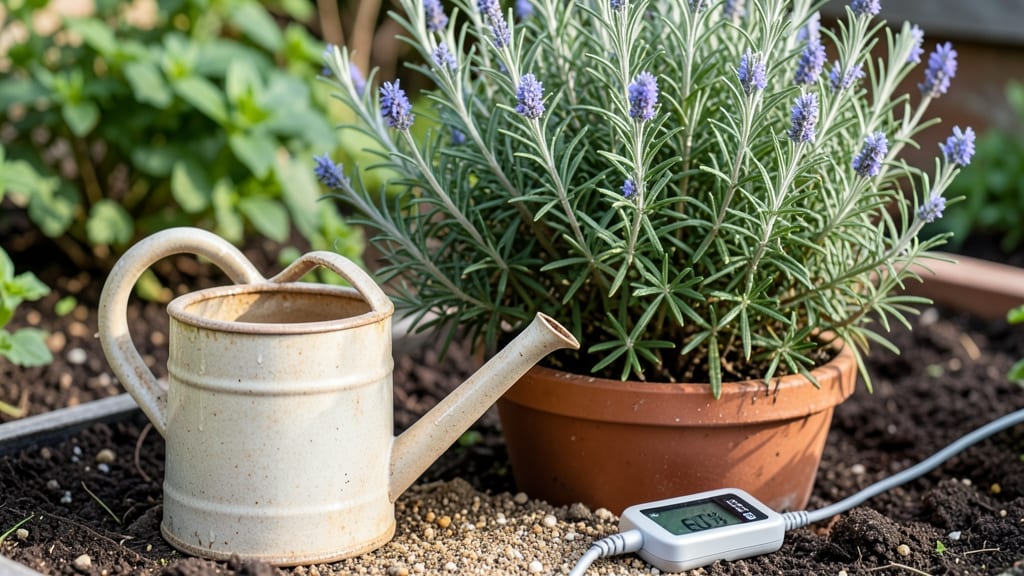
Watering rosemary often enough to keep it thriving but not so much that it rots is the delicate balance every herb gardener learns the hard way.
Rosemary thrives on neglect—but water it wrong, and you’ll watch its woody stems turn brittle or leaves wilt before your eyes. The key lies in the drip-dry method, a simple routine that mimics its Mediterranean roots.
In Zone 6a, where spring planting kicks off in March, rosemary’s water needs shift dramatically from season to season. Too much moisture in winter sends roots to rot; too little in summer leaves it crispy.
Below, I’ll break down the exact schedule—when to water, how much, and how to tell if you’re doing it right—so your 🌿 stays lush, fragrant, and alive for years without guesswork.
Rosemary watering schedule by season: drip-dry method explained
Rosemary’s native Mediterranean climate means it’s built for drought—but that doesn’t mean you can ignore it completely. The drip-dry method ensures roots get enough moisture without drowning, which is key for woody-stem health and fragrant foliage.
Think of it like a desert plant: deep soaks followed by dry spells. Overwatering turns rosemary’s stems mushy, while underwatering makes leaves crispy. Let’s break it down by season and plant type.
First, test your rosemary’s soil moisture before watering. Stick your finger 2 inches deep—if it feels dry, it’s time. For potted rosemary, the soil dries out faster than in-ground plants, so check daily in summer.
In-ground rosemary can go 10-14 days between waterings, but adjust based on rainfall. Always water at the base of the plant, not the leaves, to prevent fungal diseases like powdery mildew.
| Season | Potted Rosemary | In-Ground Rosemary | Visual Cues |
|---|---|---|---|
| Spring | Every 5-7 days | Every 10-14 days | Leaves perk up after water |
| Summer | Every 3-5 days | Every 7-10 days | Stems stay flexible |
| Fall | Every 7-10 days | Every 14-21 days | Leaves darken slightly |
| Winter | Every 10-14 days | Every 21-28 days | Stems may turn woody |
In spring, rosemary wakes up from dormancy and needs more frequent watering to support new growth. Aim for every 5-7 days for potted plants and every 10-14 days for in-ground rosemary. Look for perky leaves after watering—if they droop immediately, you’re underwatering.
If they stay limp for hours, you’re overdoing it. Mulch around the base with gravel or straw to retain moisture and regulate soil temperature.
Summer is the most critical season for rosemary watering. Heat dries out soil quickly, so potted rosemary may need water every 3-5 days, while in-ground plants can handle every 7-10 days. Water deeply in the early morning to reduce evaporation.
If you notice yellowing leaves or mushy stems, cut back immediately—these are red flags for overwatering. For extra protection, place potted rosemary in partial shade during peak afternoon heat.
As fall arrives, reduce watering frequency to mimic rosemary’s natural drying cycle. Potted plants can go 7-10 days between waterings, while in-ground rosemary may only need water every 14-21 days.
The plant will start storing water in its woody stems, so don’t panic if the leaves look slightly dull. This is normal as rosemary prepares for winter. Prune back any dead or yellowing growth to encourage healthier new shoots in spring.
Winter is when rosemary enters dormancy, and watering needs drop dramatically. Potted rosemary should be watered every 10-14 days, while in-ground plants can go 21-28 days without water. Check soil moisture carefully—overwatering in winter can lead to root rot in cold, soggy soil.
If your rosemary is outdoors in a cold climate, cover it with burlap or frost cloth to protect it from freezing temperatures. Even in dormancy, keep an eye out for woody stems that may need pruning in early spring.
Adjust your rosemary watering schedule based on your local climate and container size. If you live in a humid area, reduce watering frequency by 25% to avoid fungal issues. For large pots (12+ inches), watering needs increase because more soil dries out faster.
Always ensure your containers have drainage holes—rosemary hates soggy feet. If you’re unsure whether to water, err on the side of underwatering. Rosemary’s resilience will keep it alive, but overwatering will kill it faster than drought.
Pro tip: Use a moisture meter for potted rosemary to avoid guesswork. Stick it into the soil—if it reads below 30% moisture, it’s time to water. For in-ground rosemary, the finger test is sufficient.
Remember, rosemary’s fragrant aroma and woody stems are signs of a happy, well-cared-for plant. Stick to the drip-dry method, and your rosemary will reward you with years of lush, flavorful growth.
5 Signs your rosemary is overwatered or underwatered (and how to fix it)
Rosemary’s woody stems and silvery-green needles are nature’s built-in moisture meters. When you water it wrong, the first clues appear in the leaves—wilting, yellowing, or even mushy stems. The good news?
Fixing these issues is easier than you think, especially when you recognize the 5 key signs of water stress. Let’s diagnose your rosemary’s thirst signals and restore its Mediterranean resilience.
Overwatering is the silent killer of rosemary, causing root rot and suffocating roots in soggy soil. Underwatering, while less deadly, leads to brittle stems and stunted growth. Both conditions share similar symptoms, but the fixes couldn’t be more different.
Start by checking the soil moisture 1 inch below the surface—this is where the truth lies.
- 1 Spring/Summer: Water every 5-7 days—test soil first. Potted rosemary dries faster than in-ground plants.
- 2 Fall/Winter: Reduce to every 10-14 days. Dormant rosemary needs minimal water—overwatering in cold months kills roots.
- 3 Morning watering: Always water at soil level, never the leaves. Wet foliage invites fungal diseases like powdery mildew.
- 4 Drip-dry method: Water until it drains from the bottom of the pot, then let soil dry completely before watering again.
- 5 Adjust for climate: In humid areas, water less often. In arid zones, increase frequency but ensure full drainage.
If your rosemary’s leaves are yellowing at the tips but the soil feels damp, you’re overwatering. The fix? Stop watering immediately and repot into fresh, gritty soil with perlite or coarse sand.
For underwatering, the stems will feel dry and brittle—soak the pot in water for 10 minutes, then let it drain completely. Repeat this deep-watering technique every 5-7 days until new growth appears.
Mushy stems or blackened leaves mean root rot has set in. Prune affected stems 1 inch below the damage with sterilized shears, then repot in a container with drainage holes. Add a layer of gravel at the bottom to prevent future soggy soil.
For woody-stem recovery, trim back 1/3 of the plant to encourage fresh, flexible growth—rosemary regenerates surprisingly well when given the right conditions.
Pro tip: Use a moisture meter for 2 weeks to track your rosemary’s ideal watering rhythm. Most Mediterranean herbs, including rosemary, thrive on the "drip-dry" cycle—water thoroughly, then let the soil dry out completely before the next watering.
This mimics its natural habitat and keeps your rosemary perennially lush with minimal effort. 🌿
Remember, rosemary’s resilience lies in its ability to bounce back from neglect. If you’ve overwatered and the plant looks sad, don’t panic—prune aggressively and adjust your routine. Within weeks, you’ll see fresh, fragrant needles sprouting, proving that even the most waterlogged rosemary can make a comeback. 💧