
Watering
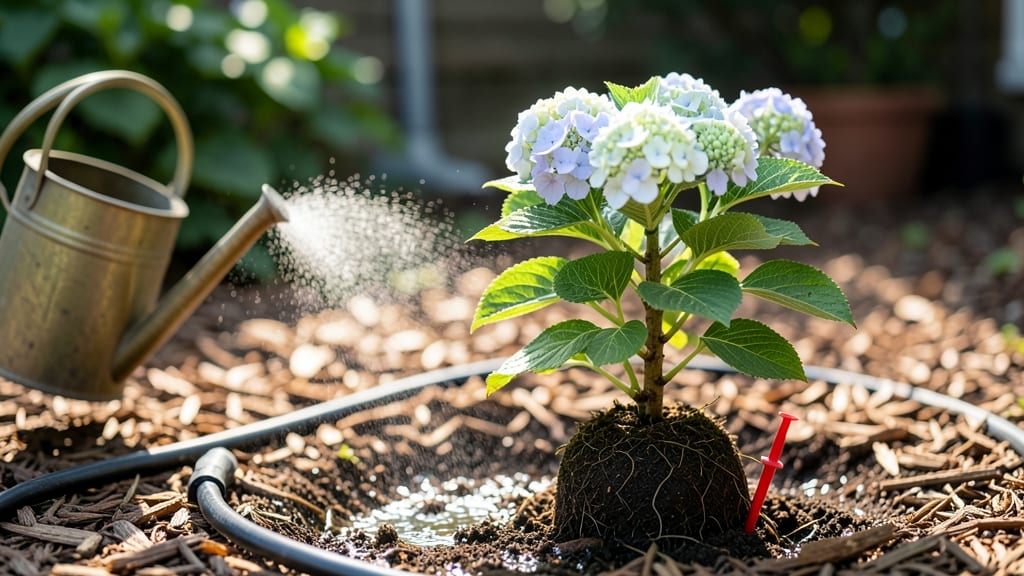
Watering shrubs after planting too often or too little can make or break their first 30 days—and most gardeners get it wrong.
Newly planted shrubs need consistent moisture to survive their critical first month—but overwatering can drown their roots. Mastering the perfect watering schedule ensures strong root establishment without wasting time or resources.
In Zone 6a, where spring planting is ideal, the key is deep, infrequent watering: twice a week for the first two weeks, then tapering off as roots take hold. Too much water smothers roots; too little stresses them before they can grow.
Below, I break down the exact schedule by soil type, how to tell if you’re over- or underwatering, and when to switch to a maintenance routine—so your shrubs thrive from day one.
Week-by-Week watering schedule for newly planted shrubs in first 30 days
The first 30 days after planting shrubs are the most critical for root establishment. Too much water can suffocate roots, while too little stresses young plants. Your watering frequency depends on soil type, climate zone, and shrub variety. Here’s how to keep them thriving without guesswork.
For most shrubs, aim to keep the soil evenly moist but never soggy. Use your finger to check moisture: 1-2 inches deep should feel damp, not dry or muddy.
Adjust for sandy soil (dries faster) or clay soil (holds moisture longer). In hot climates, water more frequently; in cooler zones, reduce slightly.
Pro Tip: Water deeply at the base (not leaves) to encourage roots to grow downward. Use a soaker hose or drip irrigation for even coverage. Avoid overhead sprinklers, which can spread disease.
In Week 1, prioritize daily watering for sandy soil to prevent roots from drying out. For clay soil, space out watering to avoid waterlogging.
Always water in the early morning to reduce evaporation and fungal risks. Use a moisture meter if unsure—aim for 40-60% moisture at 2 inches deep.
By Week 2, reduce frequency slightly as roots begin establishing. Loamy soil holds moisture well, so you can water every 2-3 days. Monitor leaf color: yellowing signals overwatering, while wilting means underwatering. Adjust immediately—shrubs like hydrangeas or azaleas are especially sensitive.
For hot climates (Zones 8-10), increase watering by 30% during heatwaves. In cooler zones (3-6), reduce by 20% to avoid soggy soil. Always water deeply—shallow watering encourages shallow roots, making shrubs vulnerable to drought later.
After Week 3, most shrubs can handle every 4-5 days in loamy soil. Test soil moisture with your finger: if the top 1 inch is dry, it’s time to water. Mulch with 2-3 inches of organic mulch (like shredded bark) to retain moisture and regulate soil temperature.
By Week 4, your shrubs should be self-sustaining if roots have established. Gradually reduce watering to every 5-7 days, but keep an eye on leaf health.
If leaves curl or drop, increase water slightly. Evergreens like boxwoods need consistent moisture, while deciduous shrubs (e.g., lilacs) tolerate slightly drier soil.
Remember: Overwatering kills more shr
Signs your new shrubs are overwatered or underwatered (with fixes)
Your newly planted shrubs rely on you to strike the perfect balance with water—too much or too little can spell disaster. Overwatering suffocates roots by cutting off oxygen, while underwatering stresses plants and stunts growth. Learning to read their signals helps you adjust before damage becomes permanent.
Start by checking the soil moisture 1-2 inches deep. If it feels soggy or has a musty smell, you're likely overwatering. For underwatering, the soil will be bone-dry and pull away from the pot edges. These simple checks save shrubs from irreversible harm while keeping your watering routine efficient.
Overwatering vs. Underwatering: Quick Fixes
For precise monitoring, invest in a moisture meter ($10-$20) to measure soil moisture accurately. These tools eliminate guesswork by giving you a real-time reading of moisture levels at root depth. The finger test works too—stick your finger into the soil; if it feels dry, water is needed.
Adjust your schedule based on weather conditions. Hot, windy days dry soil faster, while cool, cloudy days slow evaporation. Always water in the early morning to reduce fungal risks from evening moisture. This small habit prevents common diseases like powdery mildew that thrive in damp foliage.
If your shrubs show signs of stress, act immediately. For overwatered plants, hold off on watering for 3-5 days and loosen compacted soil. For underwatered shrubs, give them a thorough soak and monitor closely for recovery.
Consistency is key—adjust your routine based on what you observe rather than a rigid schedule.
With practice, you'll develop an instinct for your shrubs' needs. Pay attention to their growth patterns and leaf color to fine-tune your approach. Healthy shrubs reward you with vibrant foliage and robust growth, proving that the right balance of water is the foundation of successful planting.