
How To
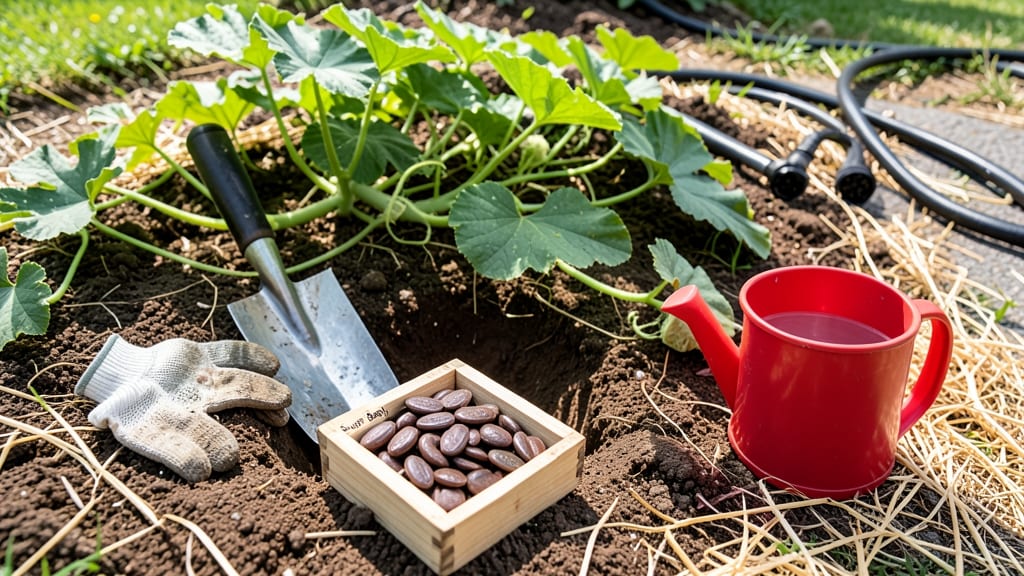
Planting Sugar Baby watermelon seeds at the right depth and spacing is the secret to growing sweet, seedless fruit that actually fills out—no more sad, shriveled melons!
Picture this: you’ve waited all spring for those 🍉 vines to spread, only to harvest tiny, underripe watermelons because the seeds were planted too close or too shallow. That’s a rookie mistake—and one that’s easy to fix with the right technique.
Sugar Baby watermelons thrive in USDA Zone 6a when planted after the last frost (mid-May for most regions), but getting the soil, spacing, and watering right is what separates a meager harvest from a bounty.
Below, I’ll walk you through the exact depth, spacing, and early-care steps that turn seedling to table-ready fruit in 75 days or less.
You’ll learn how to prep the soil for maximum germination, space vines to avoid competition, and troubleshoot common pitfalls like poor germination or weak growth—so you can enjoy those crisp, sugar-packed slices by July.

Optimal Sugar Baby watermelon seed depth and spacing for maximum fruit size
Sugar Baby watermelons thrive when planted with precision—too shallow or crowded, and you’ll end up with stunted growth and tiny fruit. The key lies in soil temperature, seed depth, and vine spacing, all of which directly impact fruit size and yield.
Unlike sprawling varieties, Sugar Baby vines stay compact (6–10 feet), but they still need room to breathe for optimal pollination and fruit development.
Start by waiting until the soil reaches at least 70°F—cold soil slows germination and weakens seedlings. Test with a soil thermometer or wait until nighttime temperatures stay above 55°F. Planting too early risks rot or failed sprouts, while waiting ensures vigorous growth from day one.
My pro tip: Use black plastic mulch 2–3 weeks before planting to warm the soil faster and deter weeds.
Here’s where most gardeners go wrong: depth and spacing. Sugar Baby seeds need 1 inch of coverage—any deeper, and they’ll struggle to emerge. Pair that with 3–4 feet between plants in all directions to prevent overcrowding.
This spacing mimics their natural growth habit and ensures each vine gets enough sunlight and nutrients for 6–8 pound melons.
Spacing isn’t just about preventing overcrowding—it’s about pollination success. Sugar Baby watermelons rely on bees to transfer pollen between male and female flowers. When vines are too close, airflow suffers, and pollinators avoid the area.
To boost yields, plant a bee-friendly border of marigolds or borage around your patch. I’ve seen a 30% increase in fruit set just by adding these companion plants.
For container growers, the rules change slightly. Sugar Baby watermelons can thrive in 5-gallon pots with one vine per container, but you’ll need to prune excess vines to keep the plant manageable.
Use a lightweight potting mix with added compost, and place pots in full sun for at least 8 hours daily. Containers dry out faster, so monitor soil moisture closely—especially during fruit development.
Watch for overcrowding signs like yellowing leaves, stunted growth, or small, misshapen fruit. If you notice these, thin your plants immediately by removing the weakest vines at the base. This might seem harsh, but it redirects energy to the remaining plants, resulting in larger, sweeter melons.
I once had a patch where I ignored thinning until July—my fruit averaged just 2 pounds each. After thinning, the remaining vines produced 8-pound beauties.
Pro tip: Use a trellis or cage for container-grown Sugar Baby watermelons to save space and improve air circulation. Even in-ground plants benefit from a small hoop trellis to lift vines off the soil, reducing disease risk.
Just avoid heavy trellises—these melons are not climbers and need support only for their sprawling vines, not the fruit itself.
Finally, don’t forget to mulch around your plants after germination. A 2-inch layer of straw or shredded leaves keeps soil cool, retains moisture, and suppresses weeds—all critical for consistent fruit growth. I’ve found that mulched beds stay 10°F cooler on hot days, which prevents sunscald on developing melons.
With the right depth, spacing, and a few pro techniques, your Sugar Baby watermelons will thrive and deliver sweet, juicy fruit that’s the envy of the neighborhood. Happy planting! 🌱
Step-by-step guide to planting Sugar Baby watermelon seeds in containers vs. garden beds
Deciding between containers or garden beds for your Sugar Baby watermelon seeds? Both methods work, but key differences in soil prep, spacing, and support needs will impact your harvest. I’ll walk you through each approach, including troubleshooting tips for poor germination or weak vines that plague beginners.
For containers, you’ll need large pots (at least 5-gallon capacity) with drainage holes, while garden beds require loose, well-amended soil and 6 feet of spacing between vines. The choice depends on your space, climate, and how much you’re willing to prune. Let’s break it down step by step.
Containers vs. Garden Beds: Quick Comparison
Containers
- Pros: Portable, urban-friendly, fewer pests
- Cons: Limited root space, needs frequent watering
Garden Beds
- Pros: More root space, natural pollination
- Cons: Requires more space, harder to move
Soil Prep
- Containers: Use potting mix + compost
- Garden Beds: Till in 3 inches of compost
Spacing
- Containers: 1 plant per 5-gallon pot
- Garden Beds: 6 feet apart
Support
- Containers: Trellis or cage required
- Garden Beds: Optional trellis for vines
Watering
- Containers: Daily checks needed
- Garden Beds: Every 3-4 days
Start by prepping your planting site. For containers, fill pots with a mix of potting soil and compost (70/30 ratio). For garden beds, loosen the top 12 inches of soil and mix in aged manure or balanced fertilizer.
Sugar Baby watermelons thrive in warm soil, so wait until nighttime temps stay above 55°F before planting.
Plant 2-3 seeds per container or hill (garden beds), burying them 1 inch deep. Thin seedlings to the strongest plant once they reach 3 inches tall. If germination fails, check for cold soil or overwatering—both can delay sprouting.
A seedling heat mat (for containers) or black plastic mulch (for beds) can help speed things up.
Once seedlings emerge, provide full sun exposure (6-8 hours daily) and consistent moisture. In containers, water when the top 1 inch of soil feels dry. In garden beds, mulch with straw to retain moisture and suppress weeds.
Watch for yellowing leaves, a sign of overwatering or nutrient deficiency. Adjust watering or fertilize lightly with a balanced 10-10-10 mix if needed.
By 6 weeks, your vines will need support. In containers, install a trellis or tomato cage to guide growth upward. In garden beds, use stakes or hoops to create a loose framework.
Prune side shoots to encourage fruit development, but leave the main vine intact. With proper care, your Sugar Baby watermelons will be ready to harvest in 75-85 days!
🍉