
Watering
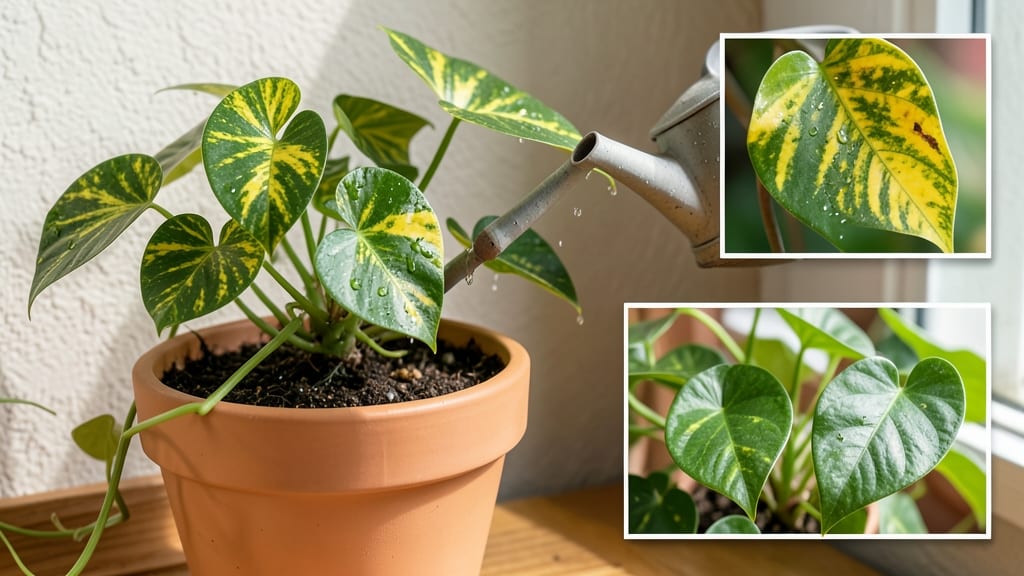
Watering pothos plants the right way keeps those vibrant, trailing vines thriving without risking root rot or crispy leaves.
Struggling to keep your 🌿 pothos alive? Overwatering or underwatering can both kill this resilient houseplant—but getting the schedule just right unlocks lush growth year-round. The key? A simple soil check and seasonal adjustments that match your home’s humidity and light.
Most beginners drown their pothos by watering on a fixed schedule, but this plant actually prefers its soil to dry out between drinks. In Zone 6a, that means every 1-2 weeks in spring and summer, but stretching to every 3 weeks in winter when growth slows.
Below, I’ll walk you through the exact method—including the finger test to avoid soggy roots—and how to spot the first signs of trouble before they become irreversible.


The perfect pothos watering schedule by season (with soil check guide)
Your pothos plant (Epipremnum aureum) thrives on consistency—too much water causes root rot, while too little stunts its lush growth. The key? Adjusting your watering schedule by season while mastering the finger test for soil moisture.
As someone who’s revived multiple soggy pothos plants, I’ve learned that seasonal changes drastically affect how often your plant needs hydration.
The spring and summer months demand more frequent watering because warmth increases evaporation, while fall and winter slow down your pothos’ metabolism, requiring less water. Without this seasonal adjustment, even the hardiest pothos can develop yellow leaves or crispy edges—symptoms I’ve seen far too often in beginner collections.
Here’s the science-backed breakdown of when to water your pothos, plus a foolproof soil check method to avoid guesswork. Trust me, once you implement this, your pothos will reward you with glossy, trailing vines year-round.
| Season | Watering Frequency | Soil Check Depth | Time of Day | Key Tips |
|---|---|---|---|---|
| Spring | Every 10-14 days | Top 1-2 inches dry | Morning | Increase frequency if leaves droop midday |
| Summer | Every 7-10 days | Top 1 inch dry | Early morning | Use room-temperature water to avoid shock |
| Fall | Every 10-14 days | Top 2 inches dry | Morning | Reduce fertilizer to match slower growth |
| Winter | Every 14-21 days | Top 2-3 inches dry | Mid-morning | Avoid cold water—use lukewarm |
Let’s start with the finger test, my go-to method for checking soil moisture. Stick your index finger about 1-2 inches into the soil—if it feels dry at that depth, it’s time to water.
In spring and summer, I test more frequently because heat causes soil to dry faster. Pro tip: Use a moisture meter for the first few weeks to train your finger’s accuracy.
Your pothos’ pot size also dictates watering needs. A 6-inch pot dries out faster than an 8-inch pot, so adjust accordingly. I keep a small notebook near my plants to track watering dates—this helps me spot patterns like how my south-facing window speeds up evaporation in summer.
Watch for environmental clues too. If your home has low humidity (common in winter with heating), your pothos will need water more often than in a naturally humid bathroom.
I’ve noticed my pothos near the shower stays lush with bi-weekly watering, while the one in my dry living room needs water every 10 days in summer.
Overwatering is the silent killer of pothos plants, and I’ve seen it happen when people stick to a rigid schedule without checking soil moisture. Soggy soil leads to root rot, which spreads quickly.
If you’re unsure, always err on the side of underwatering—your pothos can bounce back from thirst but rarely from rot.
For bottom watering (my preferred method), place your pothos in a saucer filled with 1 inch of water for 10-15 minutes. This encourages roots to grow deeper and reduces surface evaporation. I do this every other watering in summer to keep the soil evenly moist without drowning the roots.
Finally, pay attention to your pothos’ leaves. Drooping in the morning? It’s thirsty. Yellowing edges? Too much water or fluoride in tap water (use filtered water if this happens). My golden pothos variety is especially sensitive to water quality—switching to distilled water fixed its brown tips overnight.
5 Signs your pothos is overwatered (and how to fix it fast)
Your pothos plant might look like the perfect low-maintenance houseplant, but hidden watering mistakes can turn its lush green leaves into a sad, soggy mess. Overwatering is the #1 killer of pothos—yet many of us fall into the trap of thinking "more water = happier plant."
The truth? Pothos thrives on dry spells, not constant moisture. Watch for these 5 warning signs that your plant is drowning, not drinking.
Yellowing leaves are the most common red flag, but don't dismiss them as natural aging. When older leaves turn yellow first, it's likely normal. But if new growth starts yellowing too, or the leaves feel mushy to the touch, your pothos is crying out for help.
The good news? With quick action, you can often revive your plant before it's too late. Let's diagnose the problem and fix it fast.
⚠️ How to Water Pothos Plants (The Right Way)
Rule #1: Always check soil moisture before watering. Stick your finger 1-2 inches deep—if it feels damp, wait 2-3 more days.
Rule #2: Use pots with drainage holes and well-draining soil. Mix regular potting mix with perlite or orchid bark (20% amendment).
Rule #3: Water thoroughly but only when the top 1-2 inches of soil are completely dry. Empty the saucer after 10 minutes to prevent root rot.
💡 Pro Tip: In winter, reduce watering to every 3-4 weeks as growth slows dramatically.
First on your overwatering checklist is yellowing leaves that feel soft or mushy. Unlike underwatering (which causes crispy brown edges), overwatered leaves turn yellow and squishy because the roots can't absorb oxygen in soggy soil.
Start by trimming affected leaves at the base with clean, sharp scissors. Then, let the soil dry out completely—this might take 5-7 days depending on your home's humidity.
Next, check for mushy stems or blackened roots when you repot. Gently remove your pothos from its pot and inspect the roots. Healthy roots are white or light tan, while overwatered roots turn black or brown and smell foul.
Trim away any mushy roots with sterilized scissors, then repot in fresh, dry soil. Avoid watering for at least 5 days to let the roots recover.
Foul odors from your pothos pot are a clear emergency sign of root rot. This stinky sulfur smell happens when anaerobic bacteria thrive in waterlogged soil. To fix it, remove the plant, wash the roots with room-temperature water, and trim all blackened areas.
Repot in a clean container with fresh, well-draining soil, and place your pothos in a bright spot with indirect light to encourage recovery.
If you notice leaf drop or wilting despite wet soil, your pothos is in distress. This happens when roots can't uptake water efficiently due to rot. Prune back 1/3 of the plant to reduce stress, then adjust your watering routine.
From now on, water only when the soil is bone-dry—use a moisture meter if you're unsure. Consider switching to bottom watering to give roots better control over moisture intake.
Finally, watch for stunted growth or new leaves that stay small and pale. Overwatering stresses the plant so much that it diverts energy away from growth. To fix this, reduce fertilizer (if you've been using any) and focus on drying out the soil.
Once your pothos shows new signs of vigor—like bright green leaves and reaching for light—gradually return to your normal watering schedule, but always with the soil-dry test first.