
Aphids
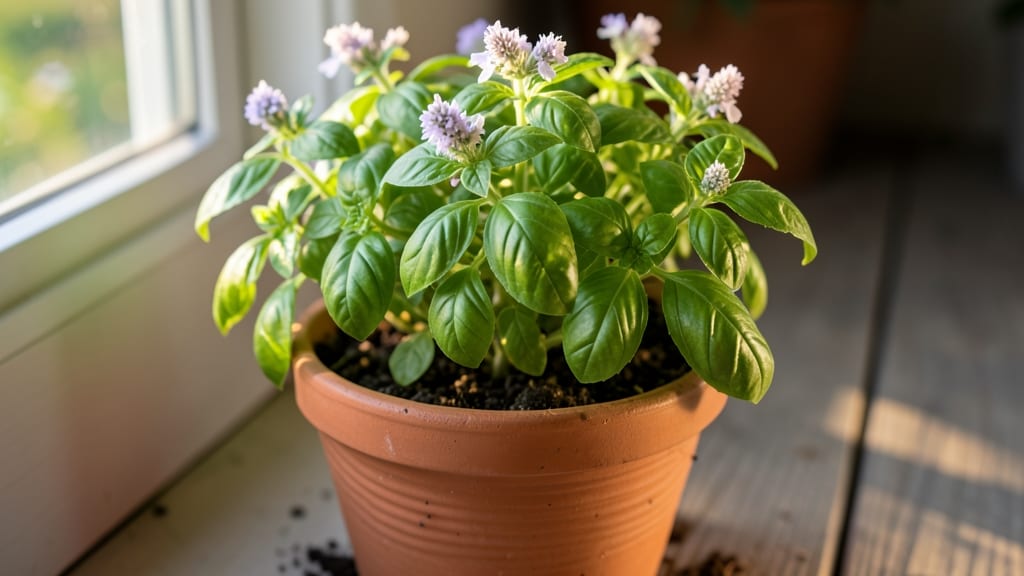
Basil is not a true perennial in most climates, as it dies back in frost or cold weather but can regrow from roots in warmer zones like USDA 10-11. Many gardeners treat it as an annual due to its sensitivity to temperatures below 40°F.
Technically, basil is classified as a tender perennial, meaning its roots can survive mild winters in frost-free zones but won't tolerate prolonged cold. 🌱 In warmer climates like Florida or Southern California, you'll often see basil return year after year from the same roots, while in colder regions, gardeners typically replant each spring.
The key difference lies in temperature tolerance—once frost hits, the above-ground growth dies, but the roots may still live to regrow when conditions warm up.
This behavior explains why many gardeners—especially in northern climates—treat basil as an annual. The plant's sensitivity to cold means it rarely survives winter outdoors in most of the U.S., making annual replanting the practical choice.
However, with proper care (like moving pots indoors before frost), you can extend its lifespan beyond a single season.
💡 In This Article
- Why Basil Acts Like a Perennial in Warm Climates
- How to Grow Basil as a Multi-Year Plant
Why basil acts like a perennial in warm climates
Basil belongs to the tender perennial category, meaning its roots can persist through mild winters but die when exposed to prolonged cold below 40°F. This behavior stems from its tropical origins in Central Africa and Asia, where temperatures rarely drop below freezing.
In frost-free zones like USDA 10-11 (think Florida or Southern California), basil's roots often survive winter dormancy and regrow when spring arrives, creating the illusion of perennial growth.
The magic happens in the roots: even when above-ground stems blacken and crisp in frost, the underground rhizomes can remain viable for months if protected. Studies show basil roots can endure 28-32°F for short periods, but prolonged exposure to 32°F or below triggers irreversible damage.
This is why you'll see basil thriving year-round in Mediterranean climates—it's not that the plant is inherently hardy, but that the environment never pushes it to its cold tolerance limits. 🌿
What most gardeners miss is the 30-day rule: basil roots need continuous warmth above 50°F for at least 30 days to fully regenerate. In colder climates, this simply doesn't happen naturally. The plant's growth cycle resets each year because winter breaks this temperature threshold.
This explains why basil behaves like an annual in most U.S. regions—its biological clock gets "reset" by seasonal temperature swings.
There's also a genetic component: different basil varieties exhibit varying cold tolerance. Sweet basil (the most common type) is the least hardy, while Thai basil or Lemon basil show slightly better root survival.
The difference comes down to their native growing conditions—Thai basil's origins in higher elevations of Southeast Asia exposed it to cooler nights, giving it a slight cold tolerance advantage. This is why seed catalogs often specify "cold-hardy" basil types for gardeners pushing their growing zones.
The science behind this involves cold acclimation—a process where plants gradually adjust to cooler temperatures. Basil simply can't complete this process in time before winter arrives in most temperate climates.
Without this acclimation, the plant's cellular membranes become damaged, and nutrient transport shuts down. 💛 In warmer climates, this natural acclimation window exists, allowing roots to persist through mild winters.
Consider this comparison: in Zone 10 (like Los Angeles), basil might experience 50°F nights for 6+ months straight, giving roots ample time to regenerate. But in Zone 5 (like Chicago), temperatures drop below 32°F for months, making root survival nearly impossible.
This geographic reality is why basil's perennial status varies so dramatically across growing regions.