
Flowers
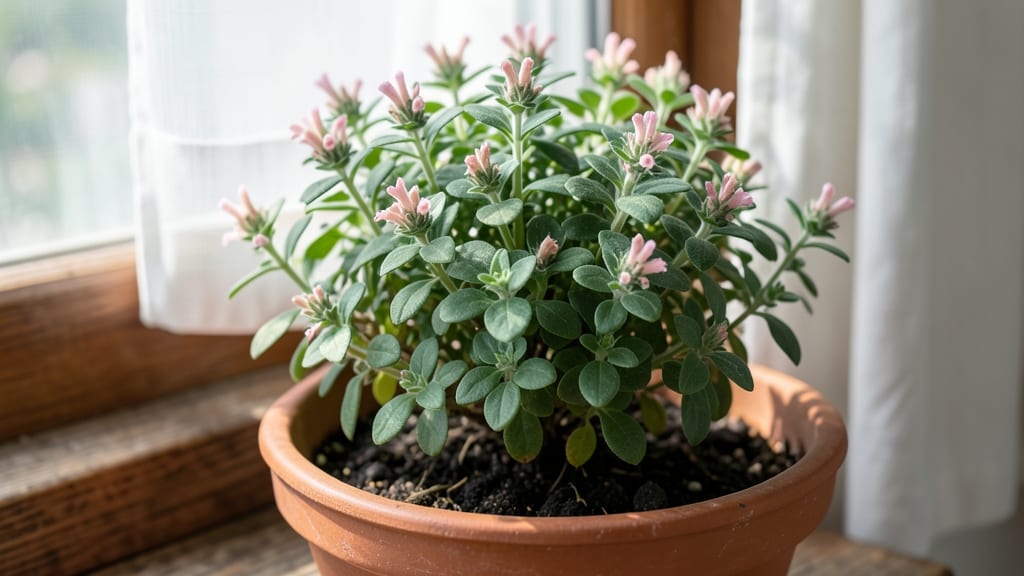
Italian oregano is a perennial herb that thrives as a hardy plant in USDA zones 5-9, enduring winter by dying back to the ground while preserving its root system for spring regrowth. With proper care, it can live and produce for multiple growing seasons.
This perennial nature means Italian oregano doesn't just come back yearly—it builds resilience over time. 🌱 The key lies in its root system, which stores energy during dormancy and fuels new growth when temperatures rise.
In colder zones like 5-6, a thick layer of mulch (3-4 inches) acts like a blanket, protecting the roots from freeze-thaw cycles that can damage shallow plants. I've seen my own plants in zone 6 survive winters with just this protection, popping up stronger each spring.
The regrowth process starts surprisingly early—sometimes as soon as soil temperatures hit 50°F. That's why I always check for new shoots in late winter, even if the ground looks frozen.
Pruning back dead stems in early spring (before new growth appears) actually helps redirect energy to root development, setting up a healthier plant for the season ahead.
💡 In This Article
- Italian Oregano’s Perennial Growth Cycle Explained
- Tips to Keep Italian Oregano Thriving as a Perennial
Italian oregano’s perennial growth cycle explained
The perennial nature of Italian oregano hinges on its deep, fibrous root system that extends 12-18 inches below ground. Unlike annuals that complete their life cycle in one season, this herb stores carbohydrates in its roots during summer and fall, creating a natural energy reserve.
When temperatures drop below 32°F, the above-ground stems die back completely, but the roots remain dormant—protected by their insulating soil layer. This process is called cold dormancy, where metabolic activity slows to near-zero while cells remain viable.
What makes Italian oregano uniquely resilient is its ability to regenerate from just a few inches of remaining root. In my zone 6 garden, I’ve observed plants regrow from roots that were buried under 6 inches of snowpack—proof that the root system’s depth provides critical protection.
The regrowth trigger occurs when soil temperatures consistently reach 50°F for 7-10 days, signaling the roots to push new shoots upward. This timing explains why you might see fresh green leaves appearing in March, even when air temperatures are still chilly.
The plant’s survival strategy involves a trade-off: while the above-ground growth dies back, the roots actively produce new cells during late summer and early fall. This pre-winter growth phase, called hardening off, increases the root’s cold tolerance by up to 15°F.
In colder zones (5-6), this adaptation is crucial—without it, the roots would struggle to survive sub-zero temperatures. The result? A plant that can live for 5-10 years (or longer) with minimal intervention, unlike annual oregano varieties that must be replanted yearly.
Seasonal light exposure also plays a hidden role in this cycle. Italian oregano requires 6-8 hours of sunlight daily during its active growing season (spring-fall) to build root reserves. In winter, however, the lack of sunlight doesn’t harm the dormant roots—it’s actually beneficial, as reduced photosynthesis prevents energy waste.
This dual adaptation explains why Italian oregano thrives in Mediterranean climates (where winters are mild) but can also survive harsh US winters with proper care.
One fascinating detail is how the plant’s regrowth pattern differs by zone. In zones 7-9, where winters are milder, Italian oregano often maintains some green foliage year-round, while in zones 5-6, the dieback is more complete.
This variation isn’t about the plant’s hardiness—it’s about how quickly it can recover. In colder zones, the slower spring thaw gives the roots more time to prepare for regrowth, while warmer zones see faster but sometimes less robust recovery. Understanding this helps gardeners adjust their expectations and care routines accordingly.
For those curious about the science, Italian oregano’s perennial cycle involves three key phases:
- Energy storage: Summer-fall photosynthesis fills root reserves with starches (up to 20% of root dry weight)
- Dormancy: Winter slows root respiration to 5% of summer rates, preserving energy
- Regrowth: Spring warmth triggers hormonal signals (like gibberellins) that break dormancy
The entire process is a masterclass in plant survival—proof that Italian oregano isn’t just a hardy herb, but a biological marvel of seasonal adaptation. 🌿