
Lawn
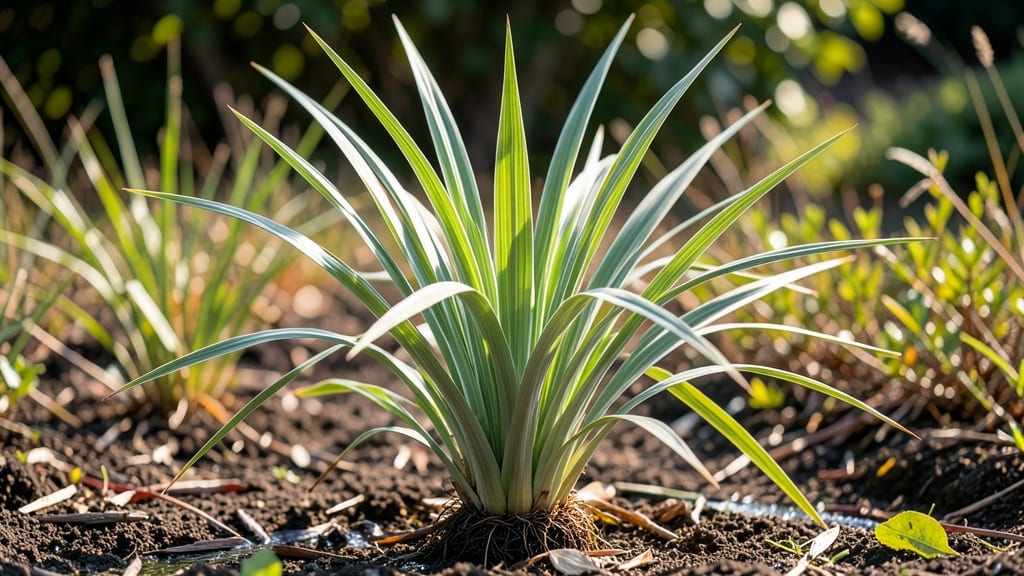
Lemon grass is a perennial plant in warm climates (USDA Zones 9-11), where it grows continuously with proper care. In colder regions, it behaves as an annual, dying back each winter but sprouting again from its underground rhizomes when replanted or protected.
This tropical plant's perennial nature depends entirely on climate—its rhizomes (thick underground stems) store energy to regrow season after season in frost-free zones. 🌱 In colder areas, gardeners often treat it as a seasonal herb, harvesting leaves before the first frost and replanting new rhizomes each spring.
The key difference lies in whether winter temperatures stay above 20°F—below that, even protected plants may fail to regenerate reliably.
What's fascinating is how lemon grass adapts: while it won't survive freezing soil, its rhizomes can tolerate brief cold snaps if kept dormant in dry conditions. Many gardeners in Zones 8 and below grow it in containers, bringing pots indoors during winter months.
This strategy lets you enjoy fresh lemon grass year-round with minimal effort—just remember to keep the soil barely moist during dormancy.
💡 In This Article
- Lemon Grass Growth Cycle Explained: Rhizomes and Seasonal Behavior
- How to Grow Lemon Grass in Cold Climates: Zones 8 and Below
Lemon grass growth cycle explained: rhizomes and seasonal behavior
The true secret behind lemon grass's perennial status lies in its rhizomatous growth system—thick, horizontal underground stems that store carbohydrates and nutrients. These rhizomes act like natural batteries, allowing the plant to regenerate even after above-ground growth dies back.
In frost-free zones (USDA 9-11), lemon grass maintains continuous growth because its rhizomes remain active year-round, producing new shoots whenever conditions are favorable. The plant's ability to partition energy into these underground structures explains why it can recover from heavy harvesting or seasonal stress.
When temperatures dip below 20°F, the above-ground stems and leaves freeze and turn brown, but the rhizomes remain dormant yet viable. This is where the plant's tropical origins show—lemon grass evolved in Southeast Asia where temperatures rarely drop this low.
What's fascinating is how the rhizomes prioritize energy storage: studies show they can maintain up to 70% of their stored carbohydrates through winter, ready to fuel regrowth when spring arrives. The key threshold is 15°F—below this, even rhizomes may suffer irreversible damage.
In colder climates, the growth cycle shifts dramatically. After the first frost, lemon grass enters a dormancy phase that lasts until soil temperatures consistently stay above 60°F. This typically happens in late spring, when the rhizomes detect warmth and begin sending up new shoots.
The regrowth process is rapid—within 3-4 weeks of warm conditions, you'll see fresh leaves emerging. This explains why many gardeners in Zones 8 and below treat lemon grass as a seasonal herb, harvesting heavily in late summer before winter sets in.
The plant's seasonal behavior also affects its flavor profile. New growth in spring is more tender and aromatic, while summer growth becomes slightly more fibrous. This is because the plant allocates energy differently during active growth versus storage phases.
The citrusy oils (like citral) peak in young leaves, which is why chefs prefer spring harvests for culinary use. In tropical zones, this cycle repeats continuously, while in colder areas, it becomes a one-season-per-year production cycle unless you implement protection methods.
What most gardeners don't realize is how the rhizome's depth affects survival. When planted too shallow (2 inches deep), rhizomes are vulnerable to temperature fluctuations near the surface. The sweet spot is 3-4 inches below soil level, where temperatures remain more stable.
This depth allows the rhizomes to access moisture while staying insulated from freezing air. In container growing, this means using pots with at least 8-inch depth to accommodate the rhizome system properly.
The plant's response to daylight also plays a role. Lemon grass is a short-day plant, meaning it grows more aggressively when daylight hours shorten (fall/winter in tropics).
This explains why it often produces a flush of growth in late summer—its biological clock prepares for what would be the dry season in its native habitat. Understanding this helps explain why lemon grass sometimes bolts or flowers in containers, as the confined space can disrupt its natural growth patterns.