
Flowers
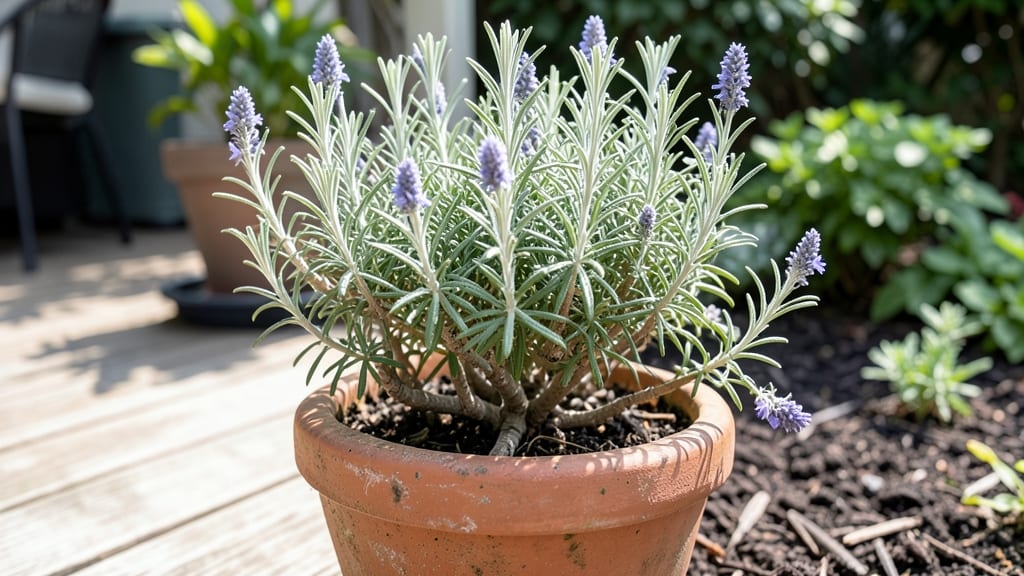
Yes, rosemary is a perennial in U.S. Department of Agriculture hardiness zones 8 through 10, where it thrives year-round. In colder climates (zones 7 and below), it typically dies back but can be overwintered indoors or as a tender perennial with proper care.
Rosemary's perennial status depends on your climate zone, as it's a hardy evergreen shrub in warm regions but struggles with freezing temperatures. 🌿 In zones 8-10, it grows continuously, while colder zones require extra protection to prevent winter die-off.
The key difference lies in its cold tolerance—rosemary can't survive prolonged freezing, which is why gardeners in colder areas often treat it as an annual or use winter care techniques to revive it each spring.
What makes rosemary unique is its ability to regrow from the base even after severe frost damage, though this takes careful management. Many gardeners in marginal zones successfully overwinter rosemary by bringing potted plants indoors or using thick mulch to insulate root zones.
The plant's resilience makes it worth the effort, especially since it's such a versatile herb for cooking and landscaping.
💡 In This Article
- Rosemary’s Perennial Nature in Different Climates
- Overwintering Rosemary in Cold Climates
Rosemary’s perennial nature in different climates
Rosemary (Rosmarinus officinalis) is classified as a woody perennial in its native Mediterranean climate, where it thrives year-round in USDA hardiness zones 8-10. The key to its perennial status lies in its ability to survive winter temperatures above 10°F (-12°C).
In these zones, rosemary maintains its evergreen foliage and continues growing through all seasons, reaching heights of 3-5 feet with proper care. The plant's deep root system and drought-resistant nature allow it to withstand dry spells and mild freezes without damage.
The plant's cold sensitivity comes from its Mediterranean heritage—rosemary evolved in regions where winters are mild and summers are hot and dry.
When exposed to prolonged temperatures below 10°F (-12°C), the woody stems and leaves can suffer irreversible damage. 🌡️ This is why rosemary behaves differently in colder climates: in zones 7 and below, it often dies back to the ground during winter but can regrow from the root crown in spring, earning it the title of a "half-hardy" or "tender perennial."
The distinction lies in its ability to survive winter dormancy rather than continuous growth.
What sets rosemary apart from true hardy perennials like lavender or thyme is its sensitivity to both cold and wet conditions. Excessive moisture in winter can cause root rot, while freezing temperatures damage the plant's cellular structure.
In zones 8-10, rosemary's growth habit is consistent—it produces new shoots in spring, flowers in late winter/early spring, and maintains its aromatic foliage year-round. The plant's fragrance and flavor are most potent in these ideal conditions, with needle-like leaves containing 1-2% essential oils, including camphor and cineole.
In colder regions, rosemary's growth pattern shifts dramatically. The plant may appear dead after winter but often regrows from the base once temperatures rise above 50°F (10°C). This resilience makes it possible to treat rosemary as a perennial even in marginal zones, though it requires protective measures.
Gardeners in zones 6-7 often report success with container-grown rosemary, which can be moved indoors during winter. The plant's ability to regenerate from the root crown demonstrates its true perennial nature, even when it appears dormant.
Consider these botanical factors when evaluating rosemary's perennial status:
- Root system: Deep, woody roots that can survive winter dormancy in colder zones
- Growth habit: Woody stems that regrow from the base after winter die-back
- Cold tolerance: Can handle brief exposure to 10°F (-12°C) but suffers damage below 5°F (-15°C)
- Water needs: Drought-tolerant but sensitive to winter moisture
The plant's classification as a perennial in zones 8-10 stems from its ability to complete its life cycle annually without replanting, while in colder zones it requires human intervention to survive winter. This dual nature makes rosemary both a rewarding and challenging herb to grow outside its native range. 🌱