
Flowers
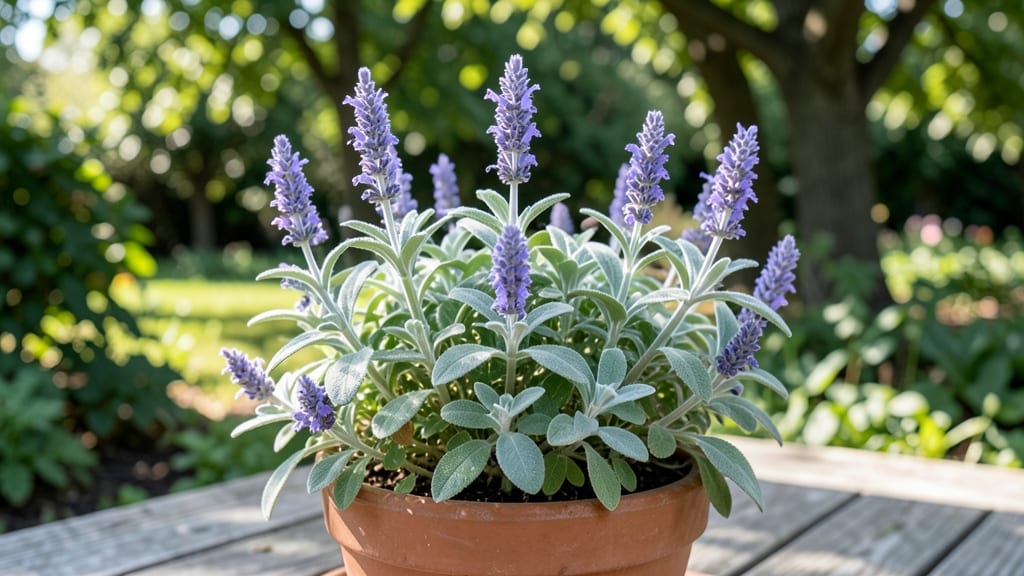
Yes, sage is a perennial herb that thrives in USDA zones 5-9, returning each year with proper care. It survives winter by going dormant, then regrows from its hardy root system when temperatures rise.
This hardy herb’s ability to bounce back year after year makes it a gardener’s favorite. 🌱 Unlike annuals that die after one season, sage plants develop deep root systems that store energy for regrowth, even after losing all their leaves in cold months.
The key to its survival lies in its adaptability—whether you’re growing common garden sage or the more delicate pineapple variety, proper winter protection and seasonal pruning can extend its lifespan for decades.
What sets sage apart is its resilience during dormancy. When frost hits, the plant’s growth slows dramatically, conserving energy until spring. This natural cycle means you’ll often see fresh green shoots emerging as soon as soil temperatures rise above 50°F.
The trade-off? Some varieties may need extra protection in harsh winters, like adding mulch or covering with burlap, to prevent root damage.
💡 In This Article
- How Sage Plants Survive Winter Dormancy
- Year-Round Sage Care: Pruning and Protection Tips
How sage plants survive winter dormancy
Sage plants enter a survival strategy called dormancy, where all above-ground growth stops but the root system remains active underground. This process begins when temperatures drop below 40°F, triggering the plant to conserve energy by shedding leaves and reducing metabolic activity.
The roots, which can extend 12-18 inches deep, store carbohydrates like starches and sugars that fuel regrowth when spring arrives. This is why sage often looks completely dead in winter—its energy is safely tucked away below the frost line.
The resilience of sage’s root system is what makes it a true perennial. Unlike annuals that die completely, sage roots can survive temperatures as low as -15°F for common garden sage, while varieties like pineapple sage may need protection down to 20°F.
The roots contain specialized cells that prevent freezing by producing antifreeze proteins, similar to how some animals survive winter. When spring warms the soil to 50°F, these stored nutrients kickstart new growth from the crown, often within just 2-3 weeks.
Leaf drop is a critical part of this survival mechanism. As temperatures fall, chlorophyll breaks down, and the plant recycles nutrients from leaves back into the roots. This process, called senescence, ensures the plant doesn’t waste energy maintaining foliage during dormancy.
You’ll notice the leaves turn brown and crispy, but the woody stems remain intact—these act as protective shields for the emerging buds in spring. The timing of leaf drop varies by variety, with hardier sages like Salvia officinalis dropping leaves later than tender varieties.
What most gardeners don’t realize is that sage’s cold hardiness isn’t just about temperature—it’s also about moisture management. Wet, frozen soil can suffocate roots, so proper drainage is crucial. In containers, this means using well-draining potting mix, while in-ground plants benefit from raised beds.
The plant’s ability to tolerate dry conditions actually works in its favor during winter, as excess moisture would accelerate rot. This dual adaptation—thriving in drought yet surviving frost—is why sage flourishes in Mediterranean climates and beyond.
Variety plays a huge role in winter survival. Common garden sage (Salvia officinalis) handles cold best, while pineapple sage (Salvia elegans) needs winter protection due to its tropical origins. Even within common sage, there are differences: purple-leaf varieties may be slightly less cold-hardy than green-leaf types.
The key is choosing the right variety for your zone and providing minimal winter care, like a 2-3 inch layer of mulch to insulate roots. This small step can mean the difference between a plant that revives in spring and one that struggles to return.
Here’s what’s actually happening at the cellular level: Sage cells produce antifreeze proteins that lower the freezing point of water within the plant’s tissues. These proteins bind to ice crystals, preventing them from growing large enough to rupture cell walls—a process similar to how some fish survive in Arctic waters.
Combined with the plant’s ability to reduce water content in its tissues, this makes sage remarkably resilient to freezing conditions. The result? A plant that can lie dormant for months yet bounce back with vigor when conditions improve.